


- Anasayfa
- Dönüştürücü
- Bangladeshi Taka (BDT) için SushiSwap (SUSHI)

Dönüştürmek
Bangladeshi Taka (BDT)'dan SushiSwap (SUSHI)'ye aniden


Switchere'de SushiSwap (SUSHI) ile kolayca Bangladeshi Taka (BDT) satın alın ve hızlı, güvenli işlemlerden yararlanın.
Hakkında
SushiSwap (SUSHI)
SushiSwap (SUSHI), çok sayıda blok zinciri ağında faaliyet gösteren önde gelen bir merkezi olmayan borsa (DEX) ve otomatik piyasa yapıcıdır (AMM). Başlangıçta topluluk odaklı bir çatal olarak tasarlanan SushiSwap, aracılar olmadan dijital varlıkların eşler arası ticaretini kolaylaştırmak için akıllı sözleşmelerden yararlanarak kapsamlı bir DeFi uygulamaları paketi sunmayı amaçlamaktadır. Temel teknolojisi, kullanıcıların likidite havuzları oluşturmasına veya bunlara katkıda bulunmasına, sermaye sağladıkları için ödüller kazanmasına olanak tanır ve bu da verimli token takaslarını ve fiyat keşfini destekler. Bu merkezi olmayan ağ mimarisi, tüm katılımcılar için kriptografik güvenlik ve şeffaf zincir içi işlemler sağlar.
Yerel SUSHI tokenı, platformun tokenomiğinin merkezinde yer alır ve hem bir yardımcı token hem de bir yönetişim tokenı olarak işlev görür. Sahipler, protokol tarafından üretilen alım satım ücretlerinin bir kısmını almak için SUSHI'yi (genellikle xSUSHI olarak) stake edebilir ve kullanıcı teşviklerini platform başarısıyla uyumlu hale getirebilir. Ayrıca, SUSHI sahipleri, platformun gelişimini ve hazine yönetimini yönlendiren teklifleri oylayarak yönetime katılırlar. SushiSwap, temel takasların ötesine geçerek borç verme ve borç alma için Kashi gibi ürünleri ve bir IDO fırlatma rampası olan MISO'yu dahil ederek Web3 altyapı tekliflerini geliştirdi. Çok zincirli varlığı, merkezi olmayan finans ekosisteminde çeşitli finansal araçlar sağlayan kilit bir oyuncu olarak rolünü sağlamlaştırıyor.

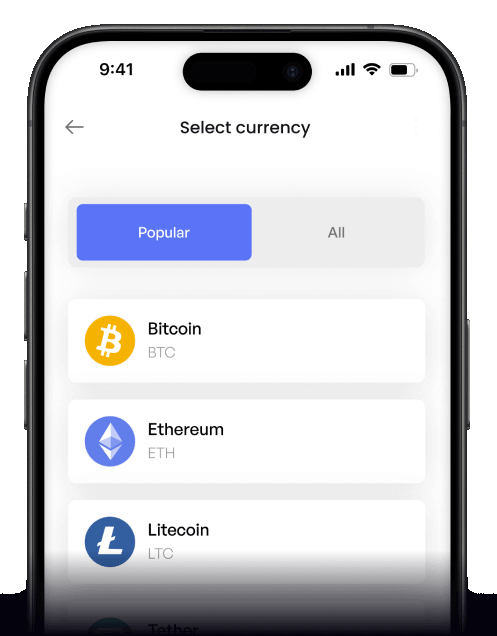
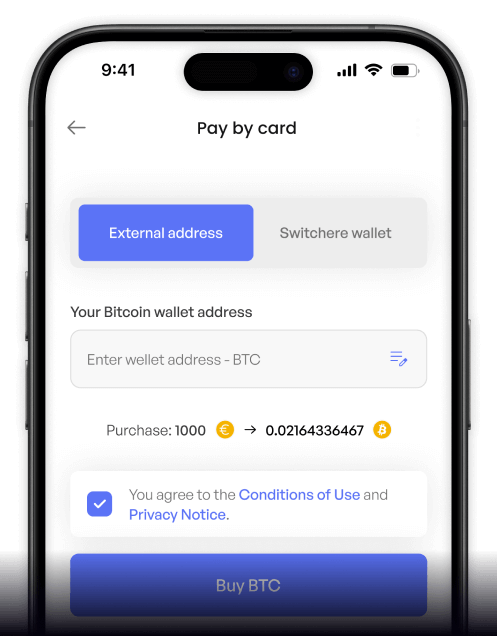
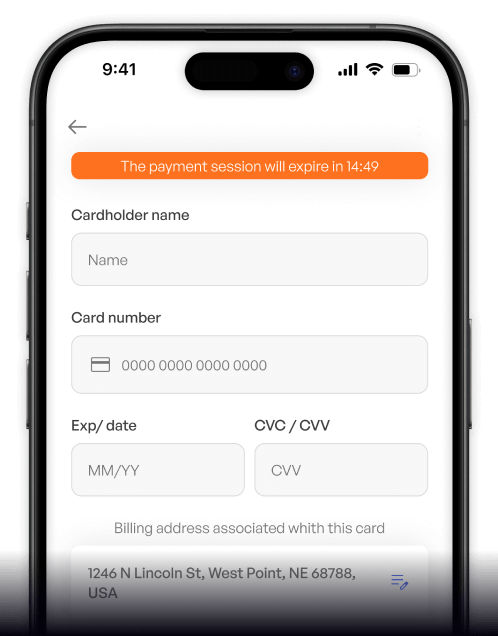
SushiSwap (SUSHI) Nasıl Satın Alınır
 Adım adım rehberlik
 Kolay kredi kartı ödemeleri
 Kolaylaştırılmış satın alma süreci
 Web
Web
Bangladeshi Taka (BDT) için Popüler Paralar





Bangladeshi Taka (BDT) için Diğer Madeni Paralar




Sıkça sorulan sorular
-
Merkeziyetsiz finans dünyasında BDT/SUSHI çifti neyi temsil ediyor?
BDT/SUSHI çifti, Bangladeş Takası (BDT) ile SUSHI tokeni arasındaki döviz kurunu temsil eder. Bu, Bangladeş'teki kullanıcıların önde gelen bir otomatik piyasa yapıcı (AMM) protokolü olan SushiSwap ekosistemine erişmesi için çok önemli bir fiat-kripto geçiş kapısıdır. Bu sayede, stake etmek (xSUSHI olarak), getiri çiftçiliğine katılmak ve bu çok zincirli merkeziyetsiz borsanın (DEX) geleceğini etkilemek için kullanılan bir yönetişim tokeni olan SUSHI'yi edinebilirler. -
Bangladeş Takası (BDT) ile SUSHI tokenlerini satın almanın tipik yöntemleri nelerdir?
Yerel bankacılık düzenlemeleri nedeniyle, merkezi borsalardan BDT ile doğrudan dijital varlık alımları genellikle zordur. En yaygın yöntem, eşler arası (P2P) ticaret platformlarıdır. Bu platformlarda kullanıcılar, platformun emanet hizmetinin güvenli bir işlem sağlamasıyla, bKash, Nagad veya doğrudan banka havaleleri gibi yerel ödeme yöntemlerini kullanarak diğer kullanıcılardan güvenli bir şekilde SUSHI satın alabilirler. -
Basit alım satımın ötesinde SUSHI tutmanın faydaları nelerdir?
SUSHI tokenini tutmak, SushiSwap protokolü içindeki temel DeFi işlevlerine erişim sağlar. SUSHI'nizi stake ederek, DEX tarafından oluşturulan işlem ücretlerinin bir kısmını kazanan xSUSHI alabilirsiniz. Ek olarak, bir yönetişim tokeni olarak SUSHI tutmak, platformun gelişimini yönlendiren tekliflere oy vermenizi sağlar ve daha karmaşık getiri stratejileri için likidite havuzlarına likidite sağlayabilir veya Kashi borç verme platformu ve BentoBox kasası gibi gelişmiş özellikleri kullanabilirsiniz. -
SUSHI almak için BDT kullanırken KYC/AML uyumluluğu gerekli midir?
Evet, çoğu saygın P2P platformunu bir fiat-kripto geçiş kapısı olarak kullanırken, Müşterini Tanı (KYC) ve Kara Para Aklamayı Önleme (AML) doğrulamasını tamamlamanız gerekecektir. Bu süreç, yasa dışı faaliyetleri önlemek ve kullanıcıları korumak için güvenli ticaret ortamları için standarttır. SushiSwap DEX'in kendisi izinsiz olsa da, BDT'nizi SUSHI gibi bir dijital varlığa dönüştürme ağ geçidi genellikle bu uyumluluk adımını gerektirir. -
BDT'yi SUSHI'ye dönüştürdükten sonra hangi güvenlik önlemlerini almalıyım?
Bir P2P borsasında SUSHI aldıktan sonra, dijital varlığı özel anahtarları kontrol ettiğiniz güvenli, kendi saklamalı bir dijital cüzdana çekmek kritik öneme sahiptir. Varlıkları bir borsada bırakmak sizi platforma özgü risklere maruz bırakır. Saygın bir cüzdan kullanın, iki faktörlü kimlik doğrulamayı (2FA) etkinleştirin ve tohum ifadenizi çevrimdışı olarak güvenli bir şekilde yedekleyin. DeFi varlıklarınızın güvenliğini sağlamak için özel anahtarlarınızı veya tohum ifadenizi asla kimseyle paylaşmayın.

Yolda satın alın
Her yerde. Her zaman.
Kredi kartınızla her yerden kripto para satın alın. Canlı kurlar, şeffaf ücretler ve her siparişte 3D Secure – Switchere'nin eksiksiz kartla satın alma deneyimi artık cebinizde.



Uygulamayı indirmek için tarayın (iOS ve Android)

