Convert
BDT to WOO Instantly
Bangladeshi Taka to Wootrade (ERC20) at the real-time exchange rate


Purchase WOO (ERC20) with Bangladeshi Taka (BDT) easily at Switchere and benefit from fast, secure transactions.
About
WOO (ERC20)
Navigating the exchange from Bangladeshi Taka to the WOO Network utility token requires a reliable BDT to WOO converter. The WOO to BDT rate is a dynamic metric, reflecting global crypto market liquidity against regional macroeconomic factors impacting the Taka. Users looking to buy WOO with BDT typically rely on secure fiat on-ramps that bridge local traditional finance with decentralized trading ecosystems.
For residents of Bangladesh, accessing this token often involves leveraging local mobile financial services (MFS) such as bKash, Nagad, or standard bank transfers. Adhering to strict KYC and AML requirements is standard practice during this conversion process to ensure secure transactions. Once the BDT is cleared, the purchased tokens are routed to a compatible wallet address.
Since WOO operates across multiple blockchains, including Ethereum (ERC-20), Polygon, and Arbitrum, selecting the correct network is crucial for managing confirmation times and network fees. The prevailing exchange rate ultimately depends on the chosen blockchain's congestion and the overarching volatility of the WOO ecosystem. Whether providing liquidity or engaging with centralized WOO X platforms, evaluating these variables ensures a seamless fiat-to-crypto transition.

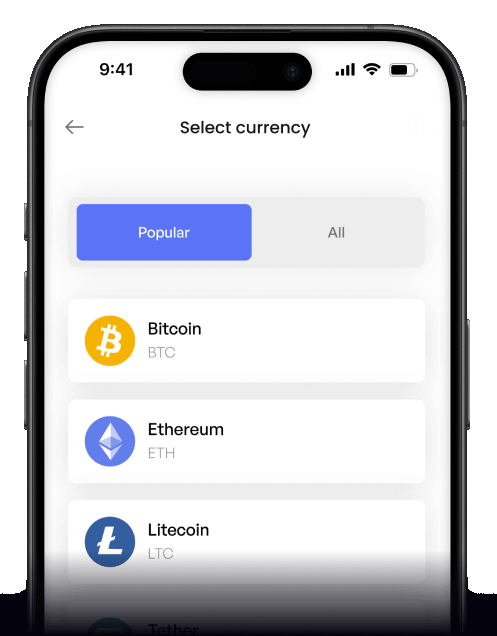
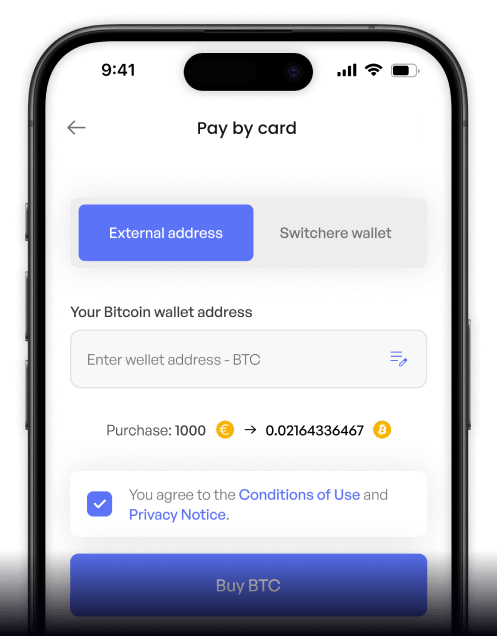
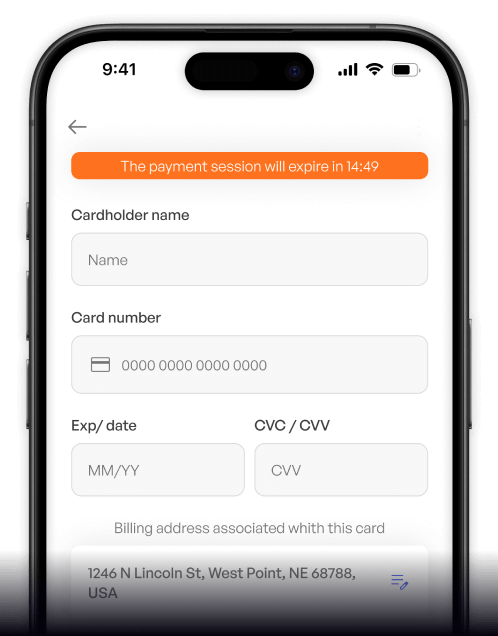
How to Buy WOO (ERC20)
 Step-by-step guidance
 Easy credit card payments
 Streamlined purchase process
 Web
Popular Coins for Bangladeshi Taka (BDT)


Other Coins for Bangladeshi Taka (BDT)


Frequently asked questions
-
How can I exchange Bangladeshi Taka (BDT) for WOO Network (WOO) tokens?
To exchange BDT for WOO, you typically need to use a fiat on-ramp that supports local payment methods. Since direct BDT/WOO trading pairs are rare on centralized exchanges, users often utilize Peer-to-Peer (P2P) platforms. You can purchase a stablecoin like USDT using BDT via Mobile Financial Services (MFS) like bKash or local bank transfers, and then trade that stablecoin for WOO on a cryptocurrency exchange featuring deep liquidity like WOO X. -
What is the primary utility of buying WOO with my BDT?
Acquiring WOO tokens grants you access to the broader WOO Network ecosystem, which bridges CeFi and DeFi. By staking WOO on platforms like WOO X, traders can unlock zero-fee trading and increased API rate limits. Additionally, within the decentralized finance space, WOO is utilized on WOOFi for yield generation and governance, leveraging its synthetic proactive market making (sPMM) algorithm for institutional-grade execution. -
What is the most secure way to store my WOO tokens after purchasing them with BDT?
After your digital asset purchase is complete, moving your WOO tokens off the exchange to a secure digital wallet is recommended. For maximum security, hardware wallets (cold storage) are ideal. Since WOO exists primarily as an ERC-20 token on the Ethereum network and as a BEP-20 token on BNB Chain, any wallet supporting these blockchain standards is compatible. Ensure you secure your private keys and seed phrases offline. -
Are there high transaction fees when converting BDT to WOO?
The cost involves two stages: the fiat-to-crypto conversion and the subsequent crypto-to-crypto trade. P2P fiat gateways for BDT may have implicit spreads rather than direct fees. However, once you hold a base cryptocurrency, trading it for WOO on the WOO X centralized exchange often features exceptionally low or even zero transaction fees if you are staking WOO. On DEXs like WOOFi, you will pay standard blockchain network gas fees depending on the chosen network (e.g., Arbitrum, Avalanche, or Ethereum). -
Do I need to complete KYC verification to buy WOO using Bangladeshi Taka?
Yes, utilizing reputable cryptocurrency exchanges and fiat on-ramps to convert BDT to digital assets requires standard KYC/AML compliance. This identity verification process ensures secure trading and regulatory adherence. Even on P2P marketplaces where you use local BDT bank transfers or mobile wallets, the escrow platforms mandate KYC to prevent fraudulent blockchain transactions and protect both buyers and sellers.

Buy on the go
Anywhere. Anytime.
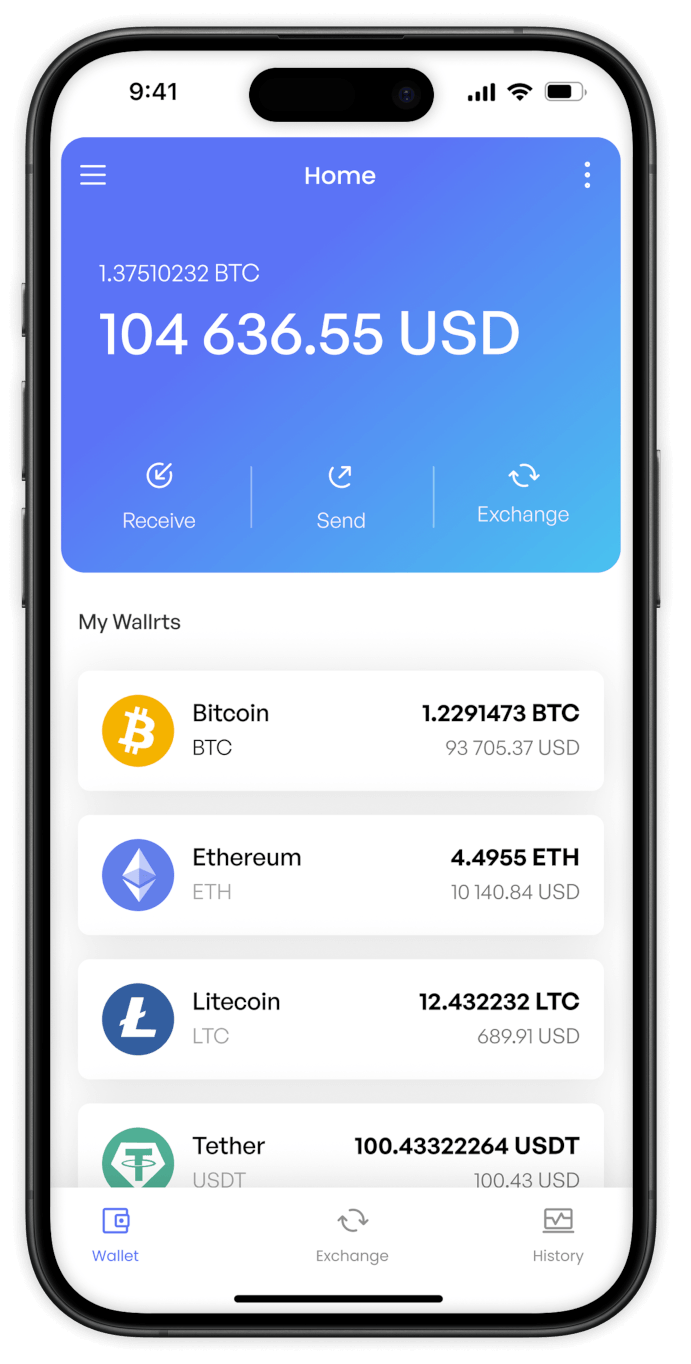
Buy crypto with your credit card from anywhere. Live rates, transparent fees, and 3D Secure on every order - the full Switchere card-buy experience in your pocket.



Scan to download the app iOS and Android