


Convert
Bangladeshi Taka (BDT) to USDC (Polygon) Instantly


Purchase USDC (Polygon) with Bangladeshi Taka (BDT) easily at Switchere and benefit from fast, secure transactions.
About
USDC (Polygon)
USD Coin (USDC) operating on the Polygon network represents a critical fiat-collateralized stablecoin, designed to provide price stability by maintaining a 1:1 peg with the US dollar, while leveraging the efficiency of Polygon's Layer 2 scaling solution. Its primary purpose is to offer a reliable, transparent digital dollar that facilitates low-cost and high-speed transactions within Polygon's rapidly expanding decentralized finance (DeFi) ecosystem. Each USDC token is backed by one U.S. dollar held in reserves, managed by the Centre consortium (founded by Circle and Coinbase), with regular attestations ensuring transparency and redeemability, crucial for a trusted digital asset.
Technologically, USDC on Polygon utilizes the network’s Proof-of-Stake (PoS) consensus mechanism and its EVM-compatible architecture. This enables seamless integration into a vast array of Polygon-based dApps, providing significantly reduced gas fees and faster transaction settlement compared to Ethereum mainnet operations. Originally an ERC-20 token, USDC is bridged onto the Polygon PoS chain, where it functions as a native digital asset. Its utility is extensive, serving as a vital medium of exchange, a stable unit of account, and a reliable store of value. Prominent use cases include liquidity provision in DeFi protocols, collateral for lending and borrowing, efficient payment rails, and a common trading pair on decentralized exchanges (DEXs). USDC's robust presence on Polygon enhances liquidity, interoperability, and is a foundational element for Web3 infrastructure development on this scalable blockchain technology.
How to Buy USDC (Polygon)
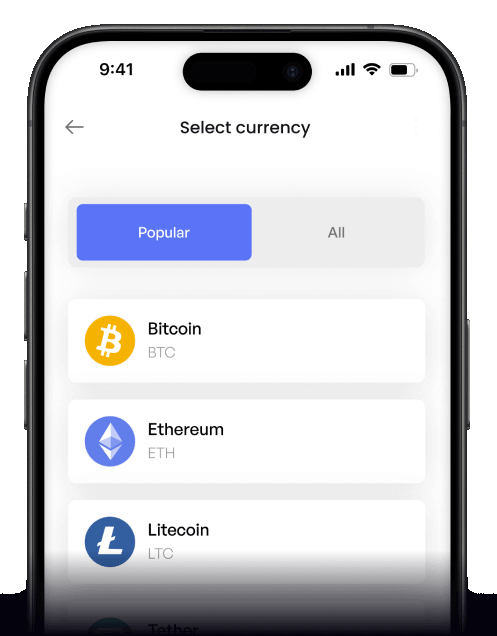
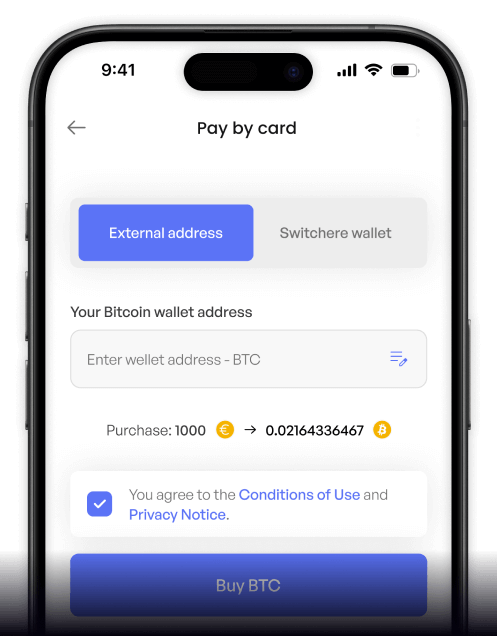
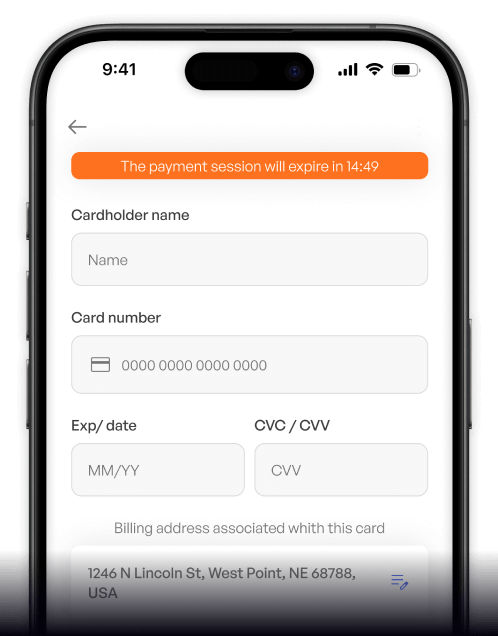
 Step-by-step guidance
 Easy credit card payments
 Streamlined purchase process
 Web
Web
Popular Coins for Bangladeshi Taka (BDT)




Other Coins for Bangladeshi Taka (BDT)




Frequently asked questions
-
How can I buy USDC on the Polygon network using Bangladeshi Taka (BDT)?
To execute a digital asset purchase of USD Coin (USDC) via the Polygon network using BDT, the most common method is through a cryptocurrency exchange that supports Peer-to-Peer (P2P) trading. Since direct BDT fiat gateways are limited, P2P platforms act as a crucial fiat on-ramp. You can use local Mobile Financial Services (MFS) like bKash or Nagad, or a local bank transfer to pay the seller. Once the BDT payment is confirmed, the seller releases the USDC directly to your digital wallet on the Polygon PoS chain. -
Why should I choose Polygon USDC over Ethereum USDC when converting my BDT?
Converting BDT to Polygon USDC rather than Ethereum mainnet USDC offers significant technical advantages, primarily surrounding transaction efficiency. Polygon operates as a high-throughput scaling solution, meaning you benefit from extremely low gas fees (often fractions of a cent paid in MATIC) and near-instant transaction finality. This makes it ideal for participating in the decentralized finance (DeFi) ecosystem or micro-transactions, whereas Ethereum ERC-20 transfers can incur prohibitive network congestion costs. -
What are the typical KYC/AML compliance requirements for trading the BDT/USDC pair?
When utilizing a reputable cryptocurrency exchange to trade the BDT to USDC pair, strict KYC/AML compliance is standard. Before accessing the P2P order book to exchange your Bangladeshi Taka, you will need to verify your identity. This process typically involves submitting a government-issued ID (like a National ID card or passport) and completing facial verification. This ensures secure trading, mitigates fraud, and maintains the integrity of the fiat-to-crypto bridging process. -
Are there different types of USDC on the Polygon network I should be aware of?
Yes, when securing your stablecoin allocation, it is vital to distinguish between Native USDC and Bridged USDC (USDC.e) on the Polygon network. Native USDC is issued directly by Circle on the Polygon PoS chain, offering official fiat-backed parity. Bridged USDC (often denoted as USDC.e) is an ERC-20 token bridged over from the Ethereum mainnet via smart contracts. While both maintain a 1:1 peg to the US Dollar, Native USDC is becoming the dominant standard for liquidity and dApp integration within the Polygon ecosystem. -
How do I store my Polygon USDC securely after purchasing it with BDT?
After utilizing a BDT fiat gateway, it is highly recommended to withdraw your USDC from the exchange into a non-custodial digital wallet that supports the Polygon EVM-compatible network. Hardware wallets offer the highest tier of secure asset storage by keeping your private keys offline. Alternatively, popular Web3 software wallets can be configured with the Polygon RPC endpoints. Always ensure you have a small amount of MATIC in your wallet to cover the low gas fees required for future smart contract interactions.

Buy on the go
Anywhere. Anytime.
Buy crypto with your credit card from anywhere. Live rates, transparent fees, and 3D Secure on every order - the full Switchere card-buy experience in your pocket.



Scan to download the app iOS and Android

