Convert
BDT to HOT Instantly
Bangladeshi Taka to Holo (ERC20) at the real-time exchange rate


Purchase HOT (ERC20) with Bangladeshi Taka (BDT) easily at Switchere and benefit from fast, secure transactions.
About
HOT (ERC20)
Navigating the BDT to HOT converter allows users in Bangladesh to seamlessly bridge their local currency with the Holochain ecosystem. The HOT to BDT rate fluctuates based on the global market liquidity of Holo, the inherent volatility of the cryptocurrency sector, and the international exchange rate of the Bangladeshi Taka. Holo (HOT) acts as a placeholder ERC-20 token on the Ethereum network, designed to eventually be swapped for HoloFuel to power distributed peer-to-peer hosting.
To buy Holo with BDT, a reliable fiat on-ramp is essential. Bangladeshi users typically utilize local mobile financial services like bKash and Nagad, alongside standard bank transfers and supported payment cards. Processing these fiat transactions requires adherence to strict KYC and AML regulations to ensure a secure conversion environment.
When exchanging Taka into HOT, understanding the technical mechanics is crucial. Because HOT operates as an ERC-20 token, participants must provide a compatible Ethereum wallet address. Consequently, transaction confirmation times and network fees depend directly on Ethereum gas prices. Monitoring these variables guarantees optimal value when using an exchange rate to shift funds between the traditional Bangladeshi financial system and decentralized networks.

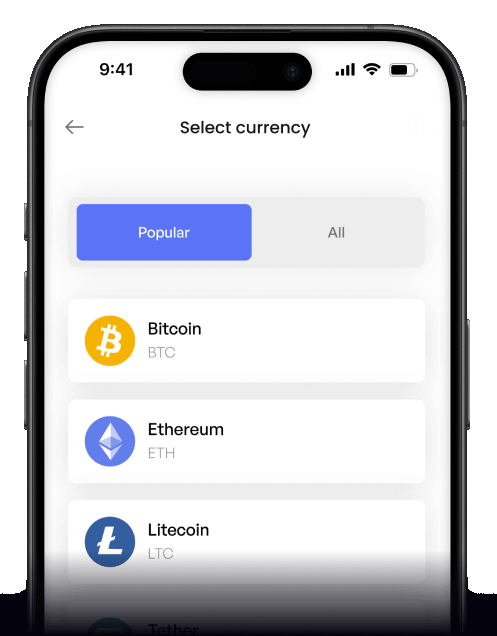
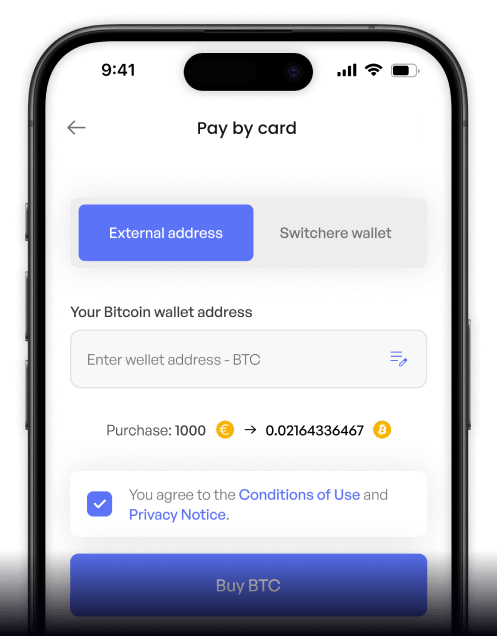
How to Buy HOT (ERC20)
 Step-by-step guidance
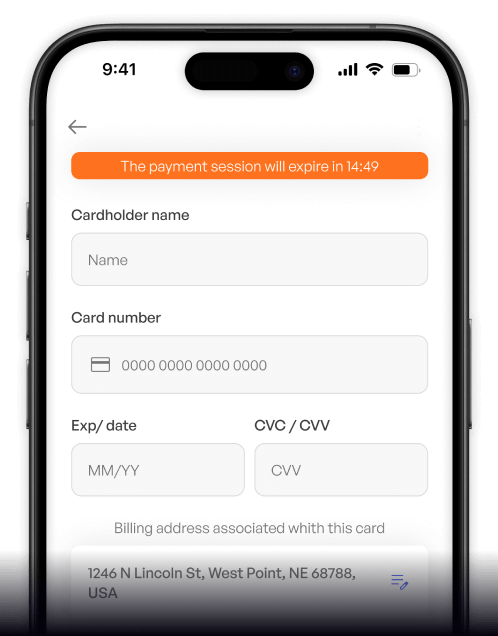
 Easy credit card payments
 Streamlined purchase process
 Web
Popular Coins for Bangladeshi Taka (BDT)


Other Coins for Bangladeshi Taka (BDT)


Frequently asked questions
-
What are the common methods for purchasing Holo (HOT) with Bangladeshi Taka (BDT)?
Direct BDT/HOT trading pairs on major centralized exchanges are rare. The most common method is using a peer-to-peer (P2P) marketplace, often integrated into larger exchanges. Users can transact directly with vendors using local Bangladeshi payment methods like bKash, Nagad, or bank transfers to buy a stablecoin like USDT first, and then trade USDT for HOT on the exchange's spot market. -
What is the relationship between Holo (HOT) and the Holochain network?
HOT is an ERC-20 token on the Ethereum blockchain that acts as an 'IOU' for HoloFuel. Holochain is the underlying framework for building decentralized applications (hApps) that use a Distributed Hash Table (DHT) instead of a blockchain. When the network is fully operational, HOT tokens will be swappable for HoloFuel, the native, mutual-credit accounting currency designed to power the peer-to-peer hosting ecosystem of hApps. -
Are KYC/AML procedures required when using BDT for a digital asset purchase like HOT?
Yes, virtually all reputable cryptocurrency exchanges and P2P platforms that facilitate fiat on-ramps require Know Your Customer (KYC) and Anti-Money Laundering (AML) verification. To trade BDT for crypto, you will likely need to provide government-issued ID and sometimes proof of address. This is a standard security measure to ensure compliance and protect all users on the platform. -
What kind of fees should I expect when converting BDT to HOT?
The process involves multiple steps, each with potential fees. On a P2P marketplace, the vendor's exchange rate is the primary cost. Your payment provider (e.g., bKash) might charge a transaction fee. Once you have a stablecoin, the cryptocurrency exchange will charge a trading fee (maker/taker fee) for the USDT to HOT conversion. Finally, if you withdraw your HOT to a personal digital wallet, you will pay an Ethereum network gas fee, as HOT is an ERC-20 token. -
How should I securely store my Holo (HOT) tokens after purchase?
For maximum security, you should transfer your HOT tokens from the cryptocurrency exchange to a non-custodial digital wallet where you control the private keys. Since HOT is an ERC-20 token, it is compatible with any Ethereum-supported wallet, such as MetaMask, Trust Wallet, or hardware wallets like Ledger or Trezor for the highest level of security. Leaving assets on an exchange exposes you to platform-specific risks.

Buy on the go
Anywhere. Anytime.
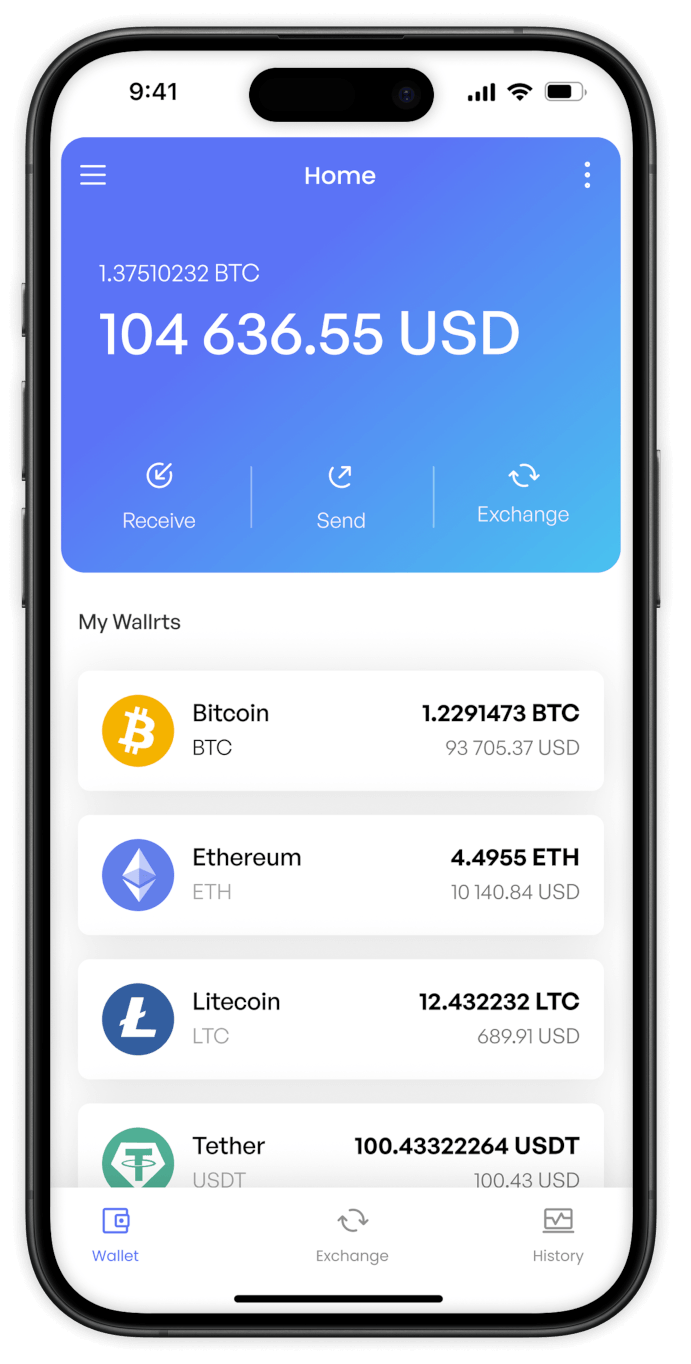
Buy crypto with your credit card from anywhere. Live rates, transparent fees, and 3D Secure on every order - the full Switchere card-buy experience in your pocket.



Scan to download the app iOS and Android