


Convert
Bangladeshi Taka (BDT) to TUSD (TRC20) Instantly


Purchase TUSD (TRC20) with Bangladeshi Taka (BDT) easily at Switchere and benefit from fast, secure transactions.
About
TUSD (TRC20)
TrueUSD (TUSD) is a prominent fiat-collateralized stablecoin engineered to maintain a verifiable 1:1 peg with the US Dollar. Its primary objective is to function as a transparent and reliable digital asset, bridging the gap between traditional fiat currencies and the decentralized finance ecosystem. The TUSD (TRC20) variant is a specific token standard that operates natively on the TRON blockchain. This leverages the TRON network's high throughput and low transaction fees, offering users a highly efficient and cost-effective means for peer-to-peer payments and on-chain activities. It provides the stability of the dollar with the performance of a modern blockchain technology infrastructure.
The key differentiator for TUSD is its robust framework for trust and transparency. The stablecoin is fully backed by US Dollar reserves held in independently audited financial institutions. Through a partnership with an accounting firm, it provides near real-time on-chain attestations of its reserves, offering cryptographic proof of collateralization. The TUSD token's main utility within the TRON ecosystem is to serve as a stable medium of exchange, a unit of account in DeFi applications, and a hedge against market volatility. As a TRC20 asset, it is integral for liquidity pools, lending protocols, and other Web3 applications, cementing its role as a foundational stable value asset.

How to Buy TUSD (TRC20)
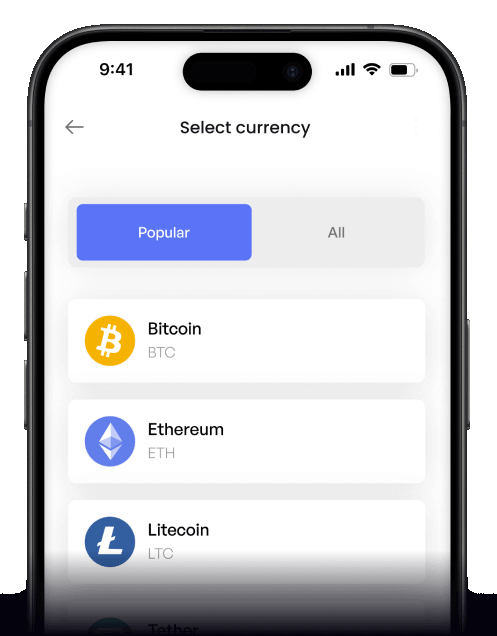
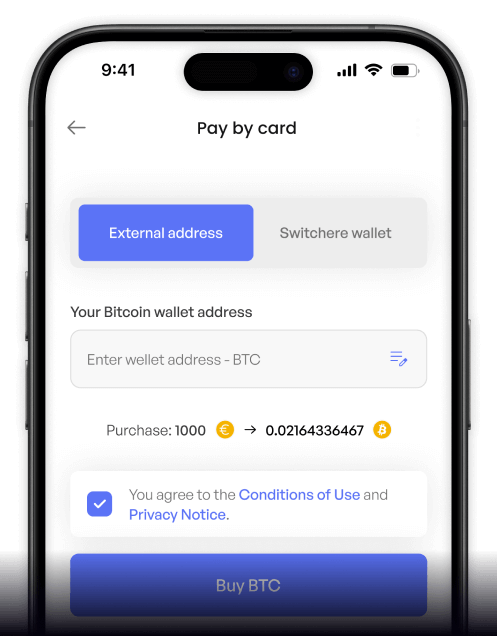
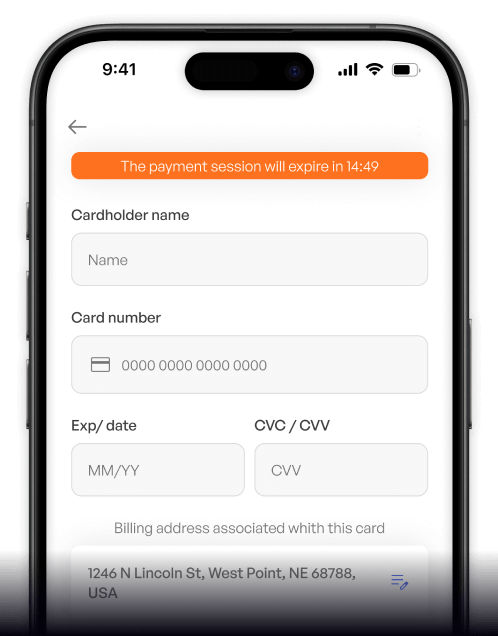
 Step-by-step guidance
 Easy credit card payments
 Streamlined purchase process
 Web
Web
Popular Coins for Bangladeshi Taka (BDT)




Other Coins for Bangladeshi Taka (BDT)









Frequently asked questions
-
What is the BDT to TUSD (TRC20) pair and why is it used?
The BDT to TUSD (TRC20) pair represents a fiat-to-crypto gateway for converting Bangladeshi Taka (BDT) into TrueUSD (TUSD), a stablecoin pegged 1:1 to the US dollar. This specific pairing uses the TRC20 version of TUSD, which operates on the TRON blockchain. It's popular for its very low transaction fees and fast settlement times, making it an efficient way for users in Bangladesh to access a stable digital dollar asset. -
What are the common methods to buy TUSD (TRC20) with BDT?
The most prevalent method for BDT to TUSD (TRC20) transactions is through peer-to-peer (P2P) platforms integrated within major cryptocurrency exchanges. These platforms allow direct trading between users. Sellers typically accept popular local payment methods like bKash, Nagad, or direct bank transfers in BDT, releasing the TRC20 TUSD from an escrow account upon payment confirmation. -
What are the technical advantages of using TUSD on the TRON (TRC20) network?
The primary technical advantages of the TRC20 standard on the TRON network are speed and cost-effectiveness. Blockchain transactions on TRON are confirmed much faster and have significantly lower 'gas' fees compared to other networks like Ethereum's ERC20, especially during periods of high congestion. This makes TRC20 TUSD ideal for frequent transfers and for users looking to maximize the value of their transactions without incurring high network fees. -
How can I verify that TUSD is a secure and fully backed stablecoin?
TrueUSD (TUSD) maintains transparency through real-time attestations provided by independent, third-party accounting firms. These attestation reports verify that the amount of TUSD in circulation is fully collateralized by an equivalent amount of US dollars held in reserve accounts. Users can typically access these reports directly from the official TrueUSD website, ensuring cryptographic proof of reserves and maintaining trust in its 1:1 peg. -
Are there KYC requirements for purchasing TUSD with Bangladeshi Taka?
Yes, almost all reputable P2P platforms and cryptocurrency exchanges that facilitate BDT-to-crypto transactions enforce mandatory Know Your Customer (KYC) and Anti-Money Laundering (AML) compliance. Users are typically required to verify their identity by submitting government-issued documents. This is a standard security measure to prevent fraud, secure the trading environment, and adhere to global regulatory standards for fiat on-ramps.

Buy on the go
Anywhere. Anytime.
Buy crypto with your credit card from anywhere. Live rates, transparent fees, and 3D Secure on every order - the full Switchere card-buy experience in your pocket.



Scan to download the app iOS and Android

