


Convert
Bangladeshi Taka (BDT) to Synthetix Network Token (SNX) Instantly


Purchase Synthetix Network Token (SNX) with Bangladeshi Taka (BDT) easily at Switchere and benefit from fast, secure transactions.
About
Synthetix Network Token (SNX)
Synthetix (SNX) is a decentralized finance (DeFi) protocol built on the Ethereum blockchain, with increasing integration on Layer 2 solutions like Optimism, designed to facilitate the issuance and trading of synthetic assets, known as Synths. This innovative platform allows users to gain on-chain exposure to a diverse range of real-world assets, including fiat currencies (like sUSD), commodities, indices, and other digital assets, without needing to hold the underlying asset directly. The core mechanism involves staking the native SNX token as collateral within a pooled collateral model. This staking process secures the network and enables the minting of Synths, which track the price of their real-world counterparts through decentralized oracle price feeds.
The SNX token is central to the Synthetix ecosystem's tokenomics. Its primary utility is staking, where SNX holders lock up their tokens to mint Synths and collateralize the global debt pool. In return for providing this crucial collateral and stabilizing the system, stakers earn rewards, which are generated from exchange fees paid by traders on the Synthetix.exchange platform (and other frontends like Kwenta) and, historically, through inflationary monetary policy. SNX also plays a role in the protocol's governance, allowing token holders to participate in decisions regarding upgrades and parameter changes. Synthetix stands as a pioneering DeFi protocol, significantly contributing to the on-chain derivatives market and offering unique financial instruments within the broader blockchain technology landscape.

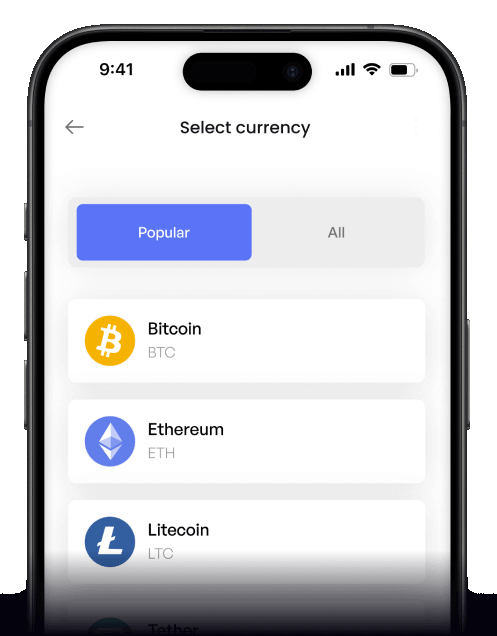
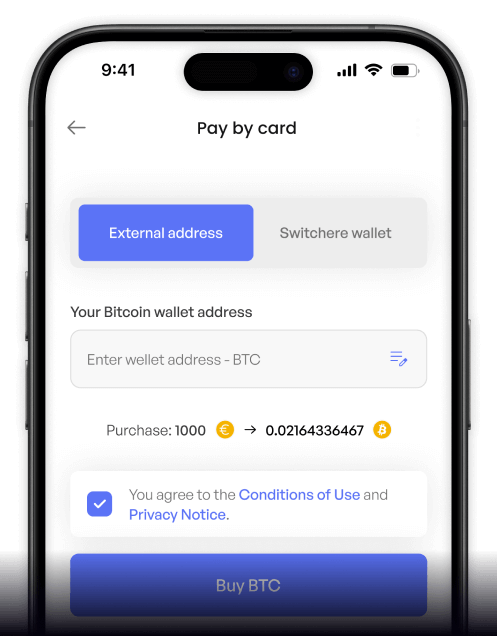
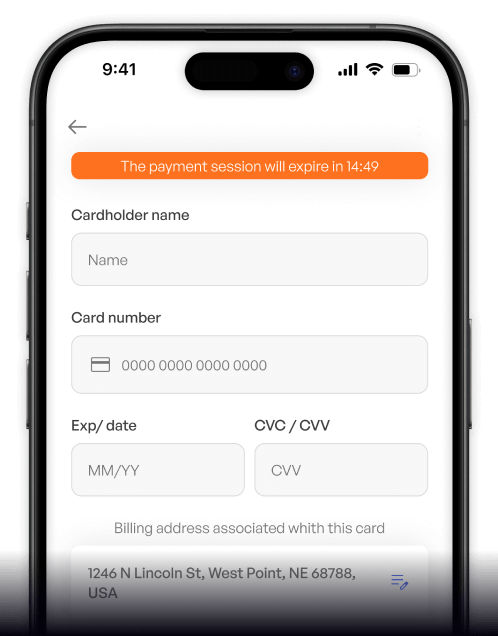
How to Buy Synthetix Network Token (SNX)
 Step-by-step guidance
 Easy credit card payments
 Streamlined purchase process
 Web
Web
Popular Coins for Bangladeshi Taka (BDT)





Other Coins for Bangladeshi Taka (BDT)








Frequently asked questions
-
What are the common methods for purchasing Synthetix Network Tokens (SNX) using Bangladeshi Taka (BDT)?
Direct BDT to SNX conversion is uncommon on centralized exchanges. The typical fiat on-ramp involves using Peer-to-Peer (P2P) platforms to buy a stablecoin like USDT with BDT via local payment methods such as bKash or bank transfer. Subsequently, you can trade that USDT for SNX on a cryptocurrency exchange that lists the SNX/USDT pair. -
When I convert BDT to SNX, what is the fundamental utility of the SNX token within its ecosystem?
Acquiring SNX gives you access to the Synthetix protocol, a decentralized derivatives liquidity protocol. The primary utility of the SNX token is for staking. By staking SNX as collateral, users can mint synthetic assets (Synths), such as sUSD or sBTC, and contribute to the protocol's global debt pool, earning inflationary rewards and exchange fees in return. -
What is the importance of the collateralization ratio (C-Ratio) when staking SNX obtained through a BDT purchase?
After your digital asset purchase of SNX, if you choose to stake it, you must maintain a specific collateralization ratio (C-Ratio), which is the ratio of your staked SNX value to your minted Synth debt. Falling below the target C-Ratio prevents you from claiming weekly rewards and can lead to liquidation if it drops to a critical level. Managing your C-Ratio is crucial for participating in the protocol securely. -
Why does the Synthetix protocol utilize Layer-2 scaling solutions like Optimistic Ethereum?
Synthetix has migrated its core functions to Layer-2 solutions like Optimistic Ethereum to significantly reduce blockchain transaction costs (gas fees) and improve processing speeds. For users who have acquired SNX, this means minting, burning, and trading Synths becomes much cheaper and faster, enhancing the user experience and the overall efficiency of the decentralized derivatives platform. -
Are there specific KYC/AML requirements I should expect when using BDT payment methods for an SNX transaction?
Yes, when using a fiat on-ramp or a P2P service that complies with regulations, you will likely need to complete Know Your Customer (KYC) and Anti-Money Laundering (AML) verification. This process typically requires a government-issued ID and proof of address to enable BDT transactions via bank transfers or mobile financial services like bKash or Nagad for your digital asset purchase.

Buy on the go
Anywhere. Anytime.
Buy crypto with your credit card from anywhere. Live rates, transparent fees, and 3D Secure on every order - the full Switchere card-buy experience in your pocket.



Scan to download the app iOS and Android

