


Convert
Bangladeshi Taka (BDT) to Audius (AUDIO) Instantly


Purchase Audius (AUDIO) with Bangladeshi Taka (BDT) easily at Switchere and benefit from fast, secure transactions.
About
Audius (AUDIO)
Audius (AUDIO) is a decentralized music streaming protocol built on blockchain technology, designed to empower artists and revolutionize how music is shared and monetized. It addresses the challenges of traditional music industry models by offering creators more control over their content and a larger share of revenue, fostering a direct-to-fan relationship. The platform leverages a decentralized network of content nodes for hosting music and discovery nodes for indexing content, ensuring censorship resistance and platform resilience. This digital asset ecosystem allows artists to publish their work, interact with fans, and distribute music without relying on intermediaries.
The core technology of Audius initially utilized Ethereum for staking, governance, and its native AUDIO token, an ERC-20 utility token. To enhance scalability and user experience, particularly for high-throughput activities like track streaming and social features, Audius has increasingly integrated with the Solana blockchain. The AUDIO token is central to the platform's tokenomics, serving multiple functions: it's staked by node operators to secure the network and earn staking rewards, used for governance votes on protocol upgrades and community proposals, and grants access to exclusive features and content. This cryptographic security and on-chain governance empower the community to shape the platform's future.
Audius aims to be a foundational piece of Web3 infrastructure for the music industry, providing a decentralized alternative to mainstream streaming services. Its focus on fair artist compensation, transparent metrics, and community ownership positions it as a significant player in the evolving creator economy and the broader decentralized application (dApp) landscape. By offering tools for artists to distribute their music and even experiment with music NFTs, Audius is pioneering new models for music consumption and ownership within the decentralized network paradigm.

How to Buy Audius (AUDIO)
 Step-by-step guidance
 Easy credit card payments
 Streamlined purchase process
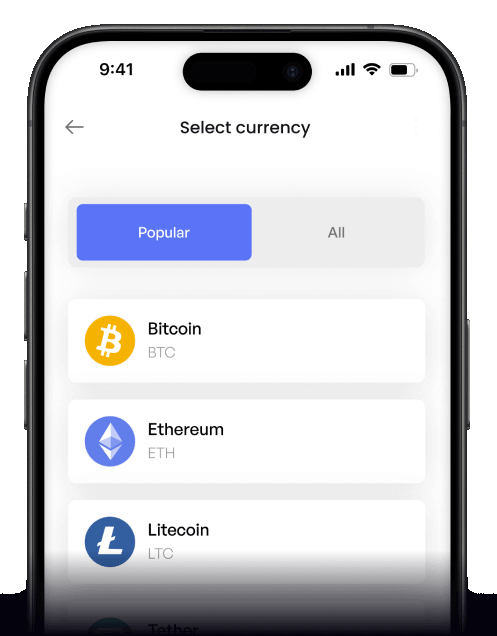
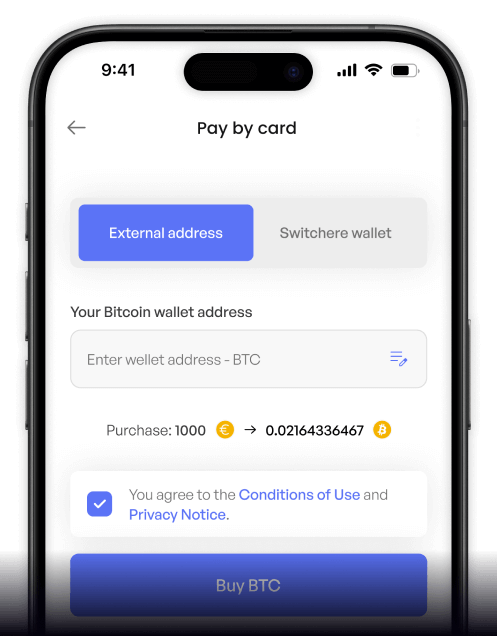
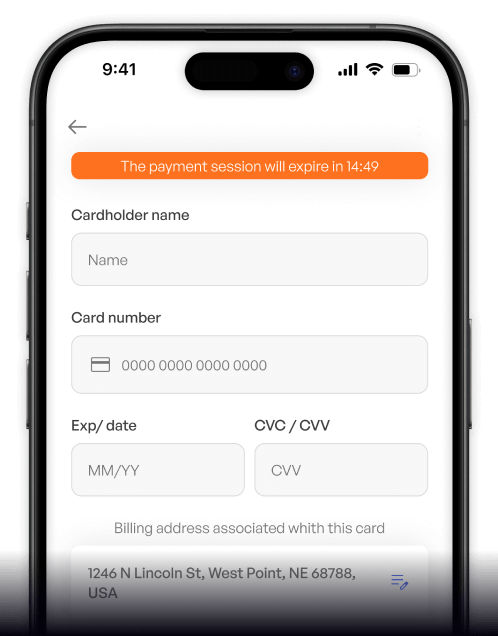
 Web
Web
Popular Coins for Bangladeshi Taka (BDT)





Other Coins for Bangladeshi Taka (BDT)





Frequently asked questions
-
What is the BDT/AUDIO pair and how does it represent a fiat-to-crypto transaction?
The BDT/AUDIO pair signifies a direct exchange where Bangladeshi Taka (BDT) is used to purchase Audius (AUDIO) tokens. This process acts as a fiat on-ramp, allowing users to convert their local currency into a digital asset. AUDIO is the native governance token for the Audius decentralized music streaming platform, which empowers artists and listeners within its Web3 ecosystem. -
What are the common methods for buying Audius (AUDIO) with Bangladeshi Taka (BDT)?
Due to local regulations, direct purchases on centralized exchanges are often limited. The most prevalent method is using peer-to-peer (P2P) marketplaces. On these platforms, users can directly transact with sellers, using popular local payment methods like bKash, Nagad, or bank transfers to send BDT in exchange for the seller releasing the AUDIO tokens from escrow. -
What role does the AUDIO token play in the decentralized music platform?
The AUDIO token has three primary functions in the Audius ecosystem. First, it's a governance token, allowing holders to vote on protocol upgrades. Second, it's used for staking by node operators (content or discovery nodes) to secure the network. Third, it unlocks exclusive features and content, directly connecting artists with their fans and enabling a new model for music monetization and creating music NFTs. -
What are the security considerations when using a P2P marketplace for a BDT to AUDIO transaction?
When engaging in a P2P digital asset purchase, always use a reputable platform with a built-in escrow service. Verify the counterparty's trading history and reputation score. Never release your BDT via bKash or bank transfer until the AUDIO tokens are confirmed to be held in escrow. After the transaction, promptly move your AUDIO from the platform's wallet to your own secure, non-custodial digital wallet to maintain full control. -
Since AUDIO exists on multiple blockchains, which digital wallet should I use?
Audius (AUDIO) is primarily available as an ERC-20 token on Ethereum and as a native token on the Solana blockchain. Therefore, you need a wallet that supports at least one of these. For the Ethereum version, wallets like MetaMask or Trust Wallet are popular. For the Solana version, Phantom or Solflare are standard choices. Always verify which version of the token you are buying on the exchange or P2P platform.

Buy on the go
Anywhere. Anytime.
Buy crypto with your credit card from anywhere. Live rates, transparent fees, and 3D Secure on every order - the full Switchere card-buy experience in your pocket.



Scan to download the app iOS and Android

