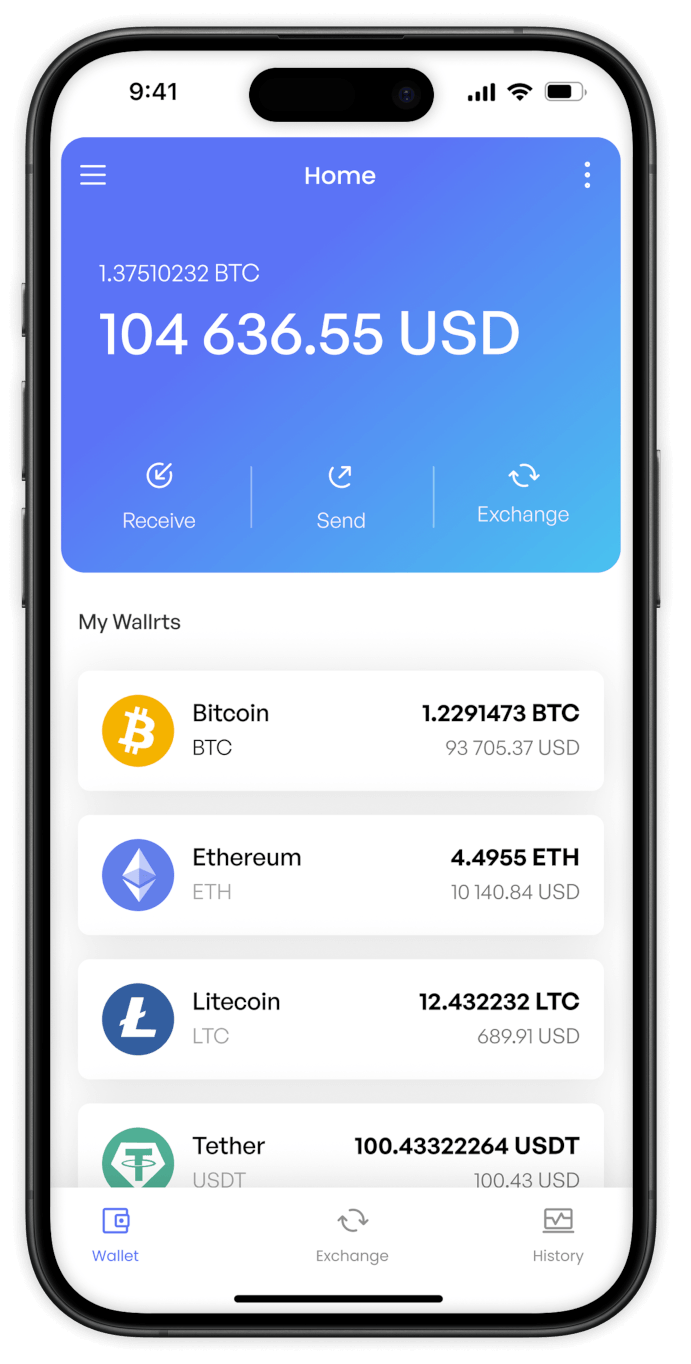
Convert
BDT to COMP Instantly
Bangladeshi Taka to Compound (ERC20) at the real-time exchange rate


Purchase COMP (ERC20) with Bangladeshi Taka (BDT) easily at Switchere and benefit from fast, secure transactions.
About
COMP (ERC20)
Navigating the exchange rate between the Bangladeshi Taka and Compound requires a reliable BDT to COMP converter. This fiat-crypto pair bridges traditional South Asian finance with decentralized finance (DeFi) lending protocols. The COMP to BDT rate is determined by several factors, including the inherent volatility of the cryptocurrency market, Ethereum network liquidity, and the macroeconomic conditions affecting the Taka. As COMP operates as an ERC-20 governance token on the Ethereum blockchain, gas fees can also impact the final conversion value during peak network congestion.
To buy COMP with BDT, Bangladeshi users typically utilize local fiat on-ramp services that support Mobile Financial Services (MFS) like bKash and Nagad, alongside standard bank transfers or card payments. Due to strict regional financial regulations, completing KYC and AML verification is a standard prerequisite before executing any transaction.
Once the fiat conversion is processed, the COMP tokens are transferred to the user's non-custodial wallet. Buyers must ensure they provide a compatible Ethereum wallet address and account for network confirmation times. Utilizing this pair allows local residents to actively participate in global DeFi ecosystems, seamlessly transitioning their local fiat into decentralized governance power.

How to Buy COMP (ERC20)
 Step-by-step guidance
 Easy credit card payments
 Streamlined purchase process
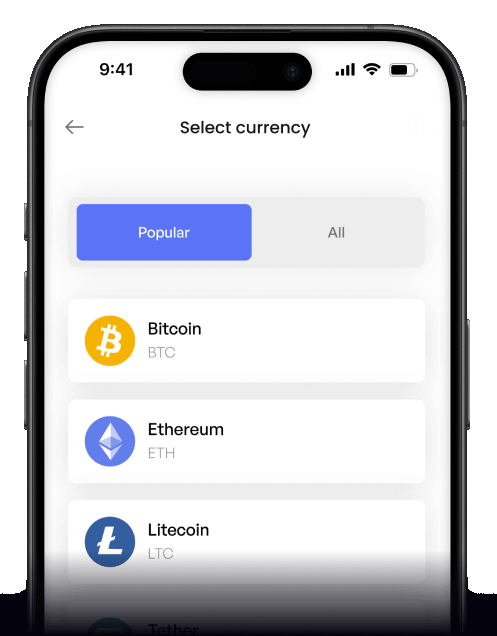
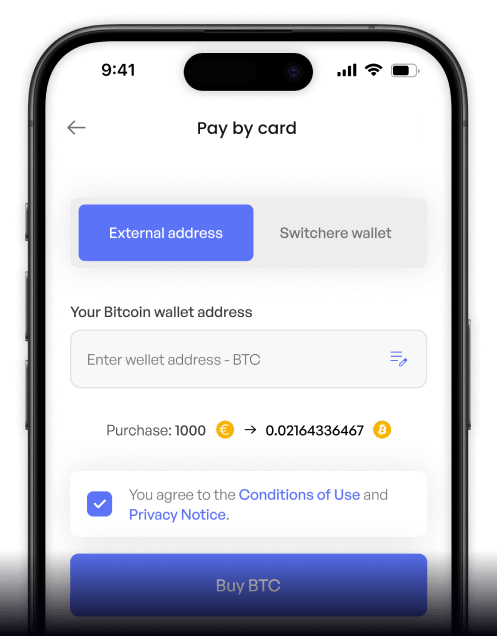
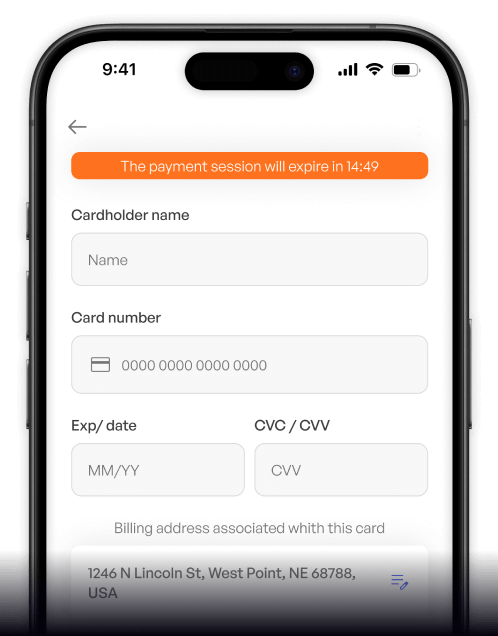
 Web
Popular Coins for Bangladeshi Taka (BDT)


Other Coins for Bangladeshi Taka (BDT)


Frequently asked questions
-
What is the most common way to buy Compound (COMP) with Bangladeshi Taka (BDT)?
Direct BDT/COMP pairs are uncommon on centralized exchanges. The typical method involves using a peer-to-peer (P2P) platform to buy a more liquid cryptocurrency like USDT or BTC with BDT, often via local payment methods like bKash or bank transfer. Once you have the intermediary asset, you can then trade it for COMP on a cryptocurrency exchange that lists the COMP/USDT or COMP/BTC trading pair. -
What is the fundamental utility of the COMP token within the DeFi ecosystem?
COMP is the native governance token for the Compound protocol, a leading DeFi lending protocol on the Ethereum blockchain. Holding COMP allows users to participate in governance by proposing, debating, and voting on changes to the protocol, such as which assets to support or how to adjust interest rate models. It's central to the decentralized management of the Compound Finance ecosystem. -
Why can't I find a BDT/COMP order book on major international exchanges?
Major international cryptocurrency exchanges prioritize trading pairs with high liquidity and trading volume. The BDT/COMP pair currently lacks the sufficient market depth for most platforms to create a direct order book. This is why traders in Bangladesh typically need to perform a two-step transaction, first using a BDT fiat on-ramp for a major stablecoin, and then making a crypto-to-crypto trade for COMP. -
After a successful BDT to COMP transaction, what is the best practice for storing the digital asset?
Since COMP is an ERC-20 token on the Ethereum blockchain, it's crucial to store it in a secure, ERC-20 compatible digital wallet where you control the private keys. For long-term holding, a hardware wallet offers the highest level of security against online threats. For active use within the Compound protocol, a reputable software wallet like MetaMask is a common choice. Always double-check wallet addresses before any blockchain transaction. -
Can I use the COMP I bought to earn rewards in the Compound protocol?
While the primary function of the COMP token is governance, the Compound protocol itself is designed for earning interest. You supply other crypto assets (like ETH or DAI) to its liquidity pools to earn interest and receive cTokens in return. COMP tokens themselves are often distributed as rewards to users who interact with the protocol's borrowing and lending markets, a process commonly known as yield farming or liquidity mining.

Buy on the go
Anywhere. Anytime.
Buy crypto with your credit card from anywhere. Live rates, transparent fees, and 3D Secure on every order - the full Switchere card-buy experience in your pocket.



Scan to download the app iOS and Android