


Convert
Bangladeshi Taka (BDT) to Standard (STND) Instantly


Purchase Standard (STND) with Bangladeshi Taka (BDT) easily at Switchere and benefit from fast, secure transactions.
About
Standard (STND)
Standard Protocol (STND) is a decentralized finance (DeFi) protocol built on blockchain technology, designed to establish a new paradigm for collateralized stablecoins. Its primary objective is to create a highly stable and capital-efficient ecosystem where users can leverage a diverse range of tokenized assets. The protocol addresses the need for a more flexible stablecoin issuance model by allowing various forms of on-chain collateral, bridging the gap between traditional digital assets and potential future real-world assets within the Web3 infrastructure.
The core of the protocol operates through a system of multi-collateral vaults, governed by smart contracts. Users can deposit accepted digital assets, such as cryptocurrencies or LP tokens, into these vaults to mint the protocol's native stablecoins, like S-Euro. This process relies on a robust over-collateralization mechanism to ensure the stablecoin's peg and the overall security of the decentralized network. This architecture provides a permissionless platform for lending and borrowing, with an automated liquidation system to maintain protocol solvency and manage risk across its digital ledger.
The STND token is the native utility and governance token of the Standard Protocol. As a governance token, STND empowers holders to participate in on-chain decision-making, voting on key parameters like collateral types, stability fees, and system upgrades. Furthermore, the tokenomics are designed for staking, where users can lock their STND to receive a share of the protocol fees, aligning holder incentives with the long-term health and growth of the DeFi application. This dual function makes STND integral to both the operation and strategic direction of the platform.

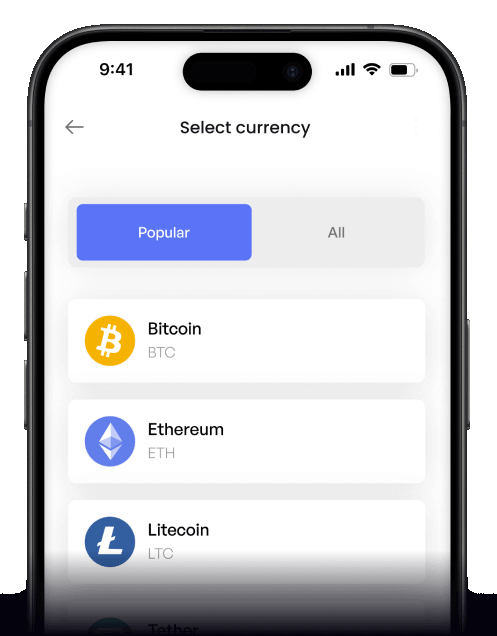
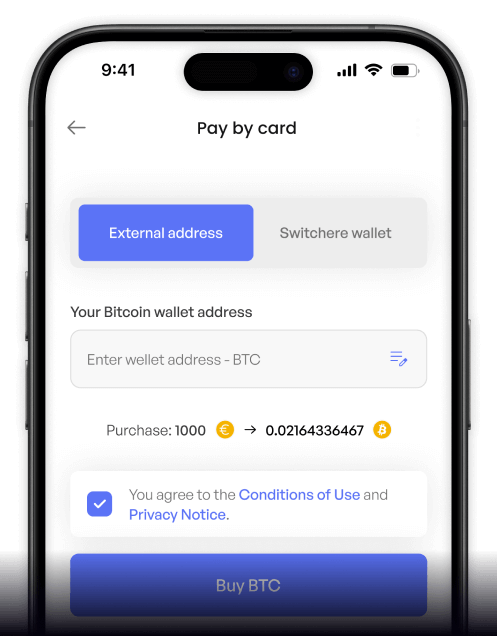
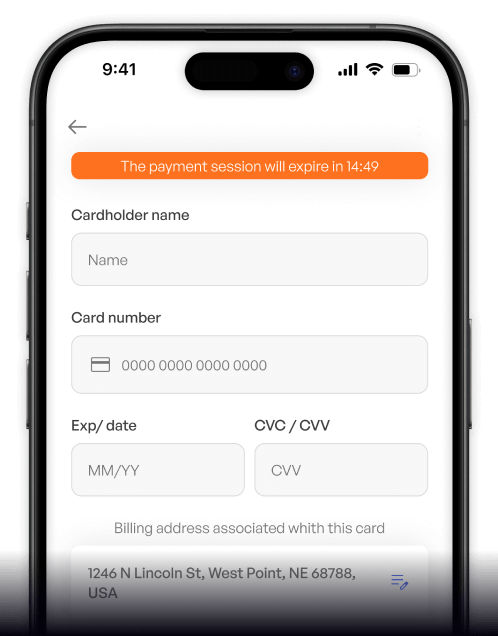
How to Buy Standard (STND)
 Step-by-step guidance
 Easy credit card payments
 Streamlined purchase process
 Web
Web
Popular Coins for Bangladeshi Taka (BDT)





Other Coins for Bangladeshi Taka (BDT)









Frequently asked questions
-
What is the primary method for buying Standard (STND) tokens with Bangladeshi Taka (BDT)?
Direct BDT to STND trading pairs are rare. The most common method is using a peer-to-peer (P2P) platform to buy a major stablecoin like USDT with BDT via local payment methods such as bKash or bank transfer. Afterwards, you can trade that stablecoin for STND on a cryptocurrency exchange that lists the STND token, which is the governance token for the Standard Protocol parachain. -
What is the function of the Standard (STND) token within its ecosystem?
STND is the native governance and utility token for the Standard Protocol. Token holders can participate in on-chain governance to vote on proposals, such as adjusting system parameters for its collateralized rebasable stablecoin. It is also used for staking and incentivizing network participants, playing a crucial role in the security and administration of this Polkadot-based DeFi protocol. -
What are the common payment channels for BDT on P2P crypto platforms?
When using a P2P fiat on-ramp, Bangladeshi Taka (BDT) transactions are commonly facilitated through Mobile Financial Services (MFS) like bKash and Nagad. Additionally, direct bank transfers from local Bangladeshi banks are a prevalent method. These channels allow users to complete the fiat leg of the transaction directly with the counterparty before the crypto asset is released from escrow. -
Are there regulatory considerations when converting BDT to a digital asset like STND in Bangladesh?
Yes, the regulatory landscape for digital assets in Bangladesh is restrictive. Users should be aware of local laws and central bank directives. It's crucial to use reputable P2P platforms that enforce robust KYC/AML (Know Your Customer/Anti-Money Laundering) compliance procedures to mitigate risks. Always conduct your own due diligence on the legal status of cryptocurrency transactions in your jurisdiction. -
Why might an investor choose a Polkadot-based asset like STND?
Assets built on Polkadot, like STND, leverage the network's core features of interoperability and shared security. Standard Protocol, as a parachain, benefits from the security provided by Polkadot's main Relay Chain and can communicate with other parachains via Cross-Chain Message Passing (XCMP). This architecture supports a more scalable, interconnected, and secure environment for decentralized applications compared to standalone blockchains.

Buy on the go
Anywhere. Anytime.
Buy crypto with your credit card from anywhere. Live rates, transparent fees, and 3D Secure on every order - the full Switchere card-buy experience in your pocket.



Scan to download the app iOS and Android

