


Convert
Bangladeshi Taka (BDT) to Livepeer (LPT) Instantly


Purchase Livepeer (LPT) with Bangladeshi Taka (BDT) easily at Switchere and benefit from fast, secure transactions.
About
Livepeer (LPT)
Livepeer (LPT) is a decentralized video streaming network built on the Ethereum blockchain, designed to provide a scalable, cost-effective, and censorship-resistant infrastructure for video transcoding and distribution. It aims to revolutionize how video content is processed and delivered by offering an open alternative to traditional, centralized video processing services. The core of Livepeer's technology relies on a distributed network of node operators, known as Orchestrators, who contribute their computing resources to perform video transcoding tasks. This peer-to-peer system leverages blockchain technology to coordinate and incentivize participants, ensuring reliable and efficient video processing for developers and broadcasters building media dApps.
The LPT token is the native digital asset of the Livepeer network, functioning as a crucial utility token and work token. Token holders can stake LPT to become Orchestrators or delegate their LPT to existing Orchestrators, thereby participating in network security and earning a share of the fees and inflationary rewards. This staking mechanism ensures that Orchestrators perform their transcoding duties honestly and efficiently. Broadcasters utilize the network for video encoding and streaming, paying fees that contribute to the ecosystem's economy. As a foundational element of Web3 video infrastructure, Livepeer enhances the capabilities of decentralized applications requiring robust video functionalities, positioning itself as a key player in the future of on-chain media delivery and content streaming with strong cryptographic security.

How to Buy Livepeer (LPT)
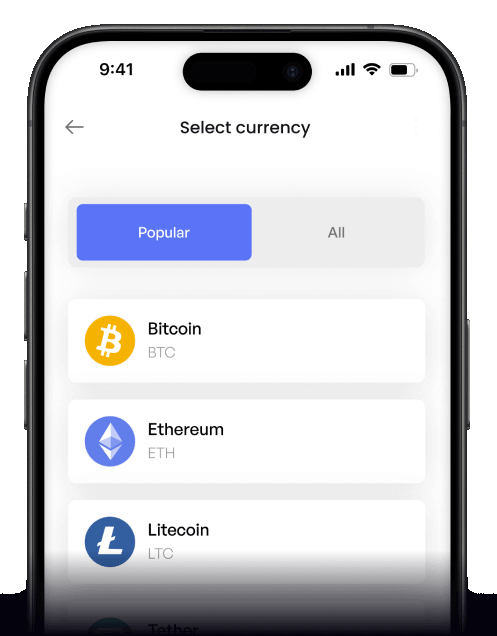
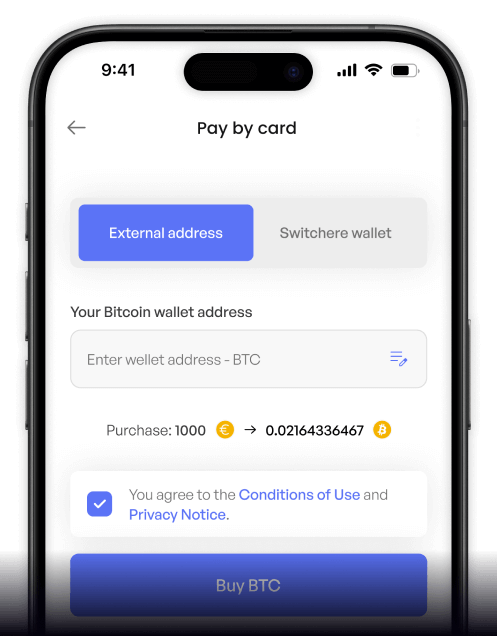
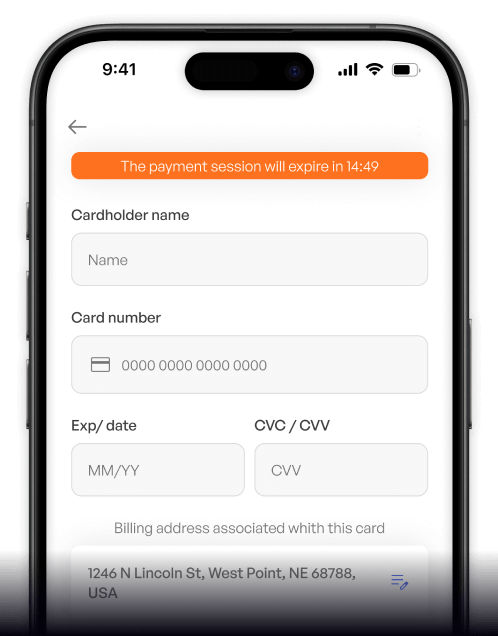
 Step-by-step guidance
 Easy credit card payments
 Streamlined purchase process
 Web
Web
Popular Coins for Bangladeshi Taka (BDT)





Other Coins for Bangladeshi Taka (BDT)





Frequently asked questions
-
What exactly is the BDT/LPT trading pair and what is its primary function?
The BDT/LPT pair represents the exchange rate between the Bangladeshi Taka (BDT) and Livepeer (LPT), an ERC-20 token for a decentralized video transcoding network. Its primary function is to serve as a fiat on-ramp for users in Bangladesh, allowing them to directly purchase this digital asset used for staking and participating in the Web3 video layer infrastructure. -
What are the typical payment methods for purchasing LPT with BDT?
Direct BDT/LPT order books are uncommon. Therefore, transactions often occur on Peer-to-Peer (P2P) platforms. Common payment methods include local bank transfers, bKash, and Nagad. Users typically buy a more liquid cryptocurrency like USDT first with these methods, and then trade it for LPT on a cryptocurrency exchange. -
What are the key security steps when converting BDT to LPT via a P2P exchange?
When using a P2P platform, always use the escrow service provided. Verify the counterparty's trading history and feedback score. Never release your BDT payment until you confirm the LPT (or intermediate asset) is held in escrow. After the transaction, promptly move your digital asset from the exchange's wallet to your own secure, non-custodial digital wallet to maintain full control. -
What are the blockchain-related fees to consider after buying LPT with BDT?
Since Livepeer (LPT) is an ERC-20 token on the Ethereum blockchain, any on-chain transaction will incur gas fees. This includes transferring LPT from an exchange to a personal digital wallet or staking it by delegating to an orchestrator node. These fees are paid in ETH, are variable, and are separate from any trading fees on the exchange or P2P platform. -
How does Livepeer's decentralized video infrastructure provide utility to the LPT token?
The LPT token is integral to securing the Livepeer network and coordinating work. 'Orchestrator' nodes, which provide the video transcoding computation, must stake LPT to participate. Token holders ('delegators') can also stake their LPT with orchestrators to earn a portion of the fees and rewards. This staking mechanism incentivizes reliable media server performance and secures the overall decentralized video streaming infrastructure.

Buy on the go
Anywhere. Anytime.
Buy crypto with your credit card from anywhere. Live rates, transparent fees, and 3D Secure on every order - the full Switchere card-buy experience in your pocket.



Scan to download the app iOS and Android

