Convert
BDT to SSV Instantly
Bangladeshi Taka to ssv.network (ERC20) at the real-time exchange rate


Purchase SSV (ERC20) with Bangladeshi Taka (BDT) easily at Switchere and benefit from fast, secure transactions.
About
SSV (ERC20)
Utilizing a BDT to SSV converter helps Bangladeshi users seamlessly transition their local fiat into the Ethereum staking ecosystem. The SSV to BDT rate fluctuates based on global market liquidity, the demand for Distributed Validator Technology (DVT) powered by the ssv.network, and regional BDT exchange rate variations.
To buy SSV with BDT, individuals typically rely on compliant fiat on-ramps supporting localized digital payment methods such as bKash, Nagad, or traditional Bangladeshi bank transfers. Strict adherence to KYC and AML protocols ensures secure and legitimate transactions when moving from Taka to decentralized assets.
Since SSV operates as an ERC-20 token on the Ethereum mainnet, buyers must provide a compatible wallet address for delivery. When completing the transaction, users should calculate Ethereum network gas fees, which impact the final net amount. This specific exchange pair is essential for node operators and developers in Bangladesh seeking to participate in robust staking infrastructure directly using their native currency.

How to Buy SSV (ERC20)
 Step-by-step guidance
 Easy credit card payments
 Streamlined purchase process
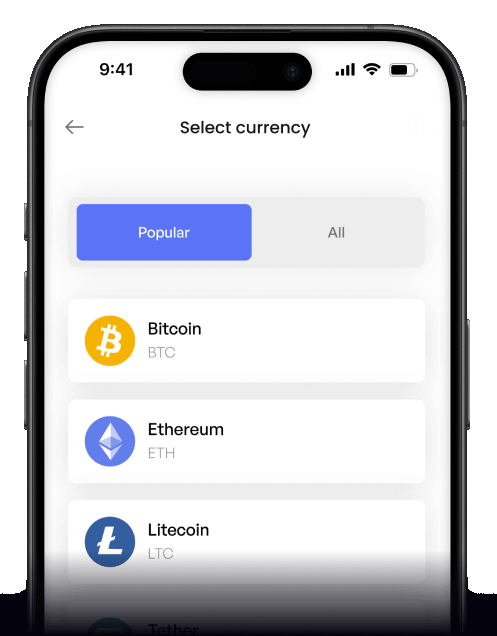
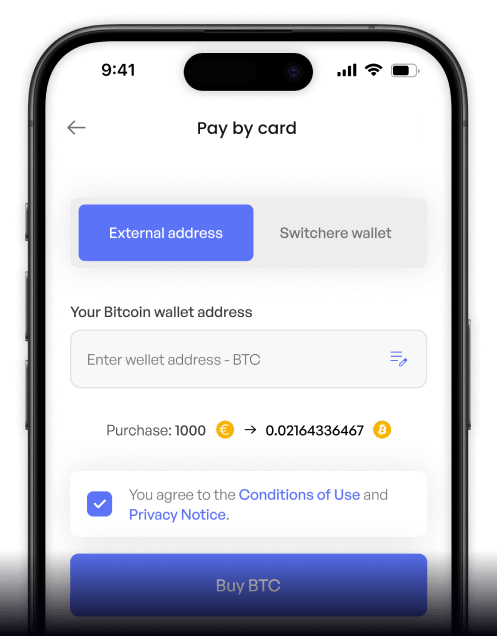
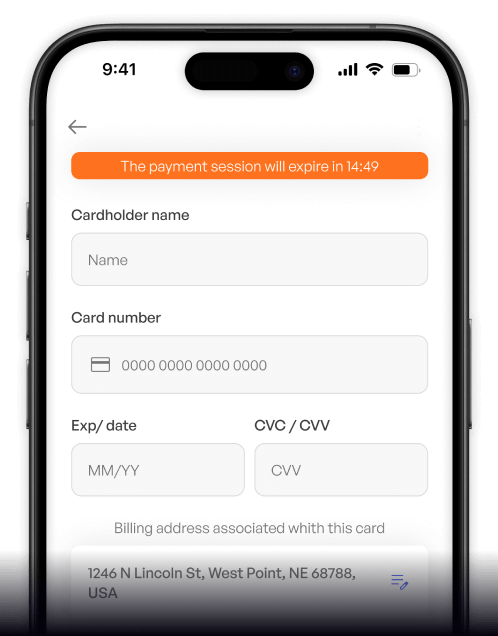
 Web
Popular Coins for Bangladeshi Taka (BDT)


Other Coins for Bangladeshi Taka (BDT)


Frequently asked questions
-
How can I buy ssv.network (SSV) using Bangladeshi Taka (BDT)?
To purchase SSV tokens with BDT, you typically need to use a Peer-to-Peer (P2P) cryptocurrency exchange that acts as a fiat on-ramp. Since direct BDT trading pairs for SSV are rare on centralized spot markets, you would first buy a stablecoin (like USDT) using local Mobile Financial Services (MFS) such as bKash or Nagad, or via bank transfer. Once you hold the stablecoin in your digital wallet, you can trade it for SSV on the exchange's spot order book. -
What is the main utility of the SSV token when investing from a BDT fiat gateway?
Acquiring SSV grants you access to ssv.network's Distributed Validator Technology (DVT) ecosystem. The SSV token is the native asset used to pay validator node operators for running Secret Shared Validators. This infrastructure enhances Ethereum staking by providing fault tolerance and non-custodial staking security. Holders use SSV to pay network fees and participate in protocol governance. -
What are the typical fees and transaction times when converting BDT to SSV?
Converting BDT to SSV involves two steps: the P2P fiat transaction and the crypto-to-crypto trade. P2P transfers using Bangladeshi mobile payments like Nagad or bKash are usually instant but may include a slight premium over the market exchange rate. The subsequent trade from a stablecoin to SSV incurs a standard exchange trading fee (maker/taker fee), and withdrawing SSV to a private Ethereum wallet will require gas fees paid in ETH. -
Do I need to complete KYC to trade the BDT/SSV pair?
Yes, using reputable fiat gateways to exchange Bangladeshi Taka for digital assets generally requires mandatory KYC/AML compliance. Centralized exchanges hosting P2P markets for BDT will ask for identity verification before allowing you to buy stablecoins, which are then used to secure SSV. This process ensures secure trading and regulatory compliance within the blockchain transaction lifecycle. -
What is the safest way to store SSV after purchasing it with BDT?
Since SSV is an ERC-20 standard token on the Ethereum blockchain, it should be stored in a secure non-custodial digital wallet rather than left on a cryptocurrency exchange. Hardware wallets offer the best security for long-term holding. If you plan to utilize the tokens to run validator nodes within the DVT network, you will interact via Web3 compatible wallets to manage your decentralized staking operations.

Buy on the go
Anywhere. Anytime.
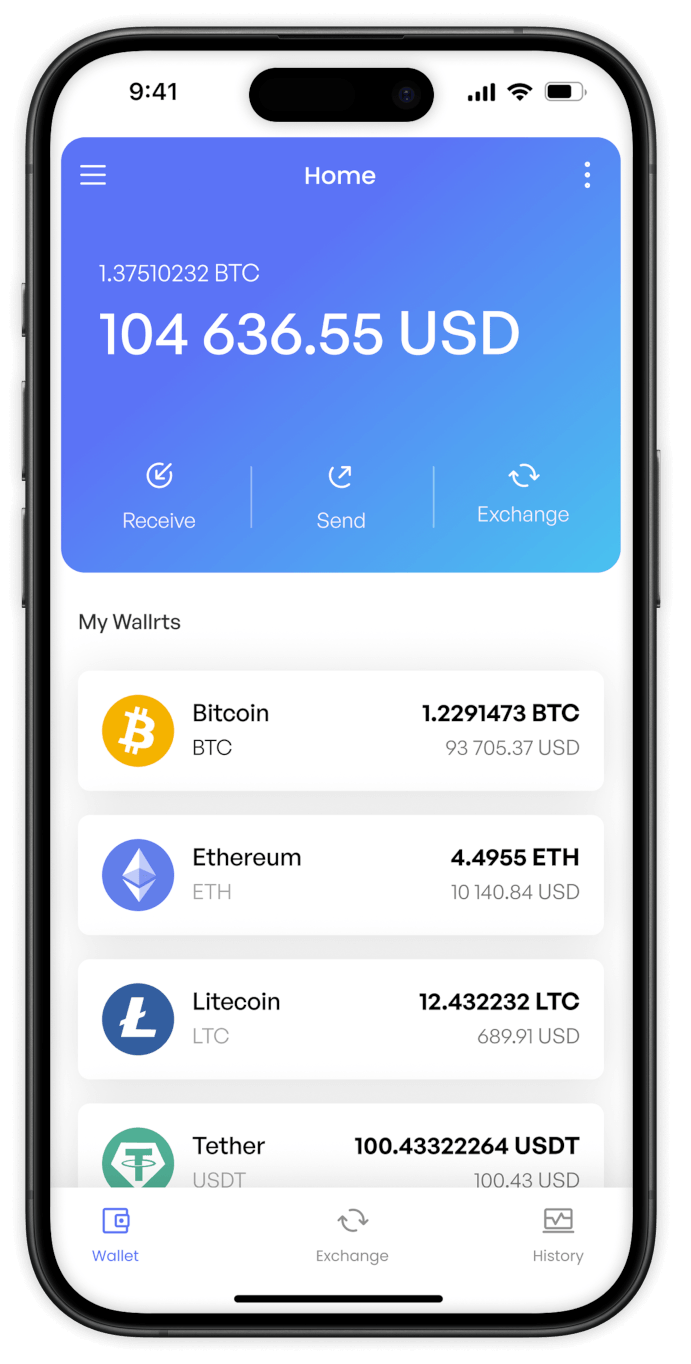
Buy crypto with your credit card from anywhere. Live rates, transparent fees, and 3D Secure on every order - the full Switchere card-buy experience in your pocket.


Scan to download the app iOS and Android