


Convert
Bangladeshi Taka (BDT) to Rocket Pool (RPL) Instantly


Purchase Rocket Pool (RPL) with Bangladeshi Taka (BDT) easily at Switchere and benefit from fast, secure transactions.
About
Rocket Pool (RPL)
Rocket Pool (RPL) is a pioneering decentralized Ethereum staking protocol, meticulously designed to democratize participation in Ethereum's Proof-of-Stake (PoS) consensus mechanism. It aims to solve the high capital and technical barriers typically associated with running an Ethereum validator node, thereby fostering greater network decentralization. The protocol's core infrastructure leverages audited smart contracts to manage staking pools, enabling users to stake ETH and receive rETH, a liquid staking derivative token. This rETH token represents their staked ETH and accumulated on-chain rewards, crucially allowing users to maintain liquidity for use in other DeFi applications while securing the Ethereum network through this innovative blockchain technology.
The native utility and governance token, RPL, is integral to the Rocket Pool ecosystem. Aspiring permissionless node operators are required to stake RPL as collateral alongside ETH when creating a minipool (requiring only 8 or 16 ETH from the operator), which serves as a form of insurance for the protocol. This RPL staking mechanism, part of its robust tokenomics, bolsters the cryptographic security and integrity of the decentralized network. Furthermore, RPL empowers its holders with governance rights, enabling participation in DAO decisions that guide the protocol's evolution. As a leading digital asset in the Ethereum liquid staking sector, Rocket Pool significantly contributes to the robustness and accessibility of Web3 infrastructure built on this foundational digital ledger.

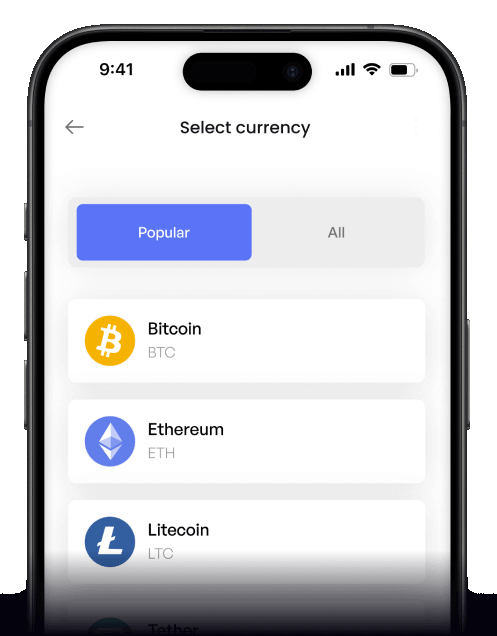
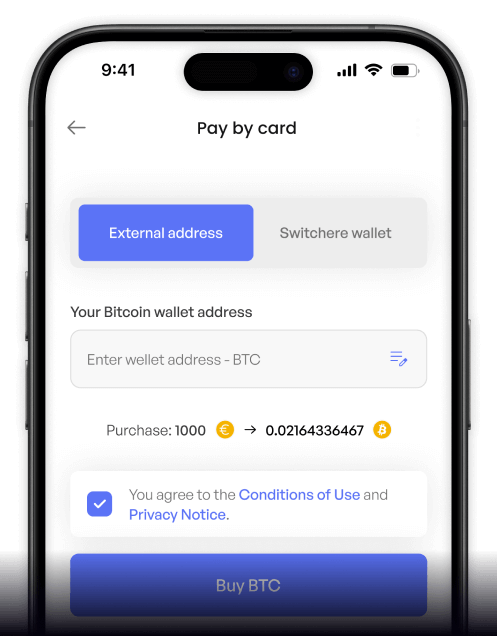
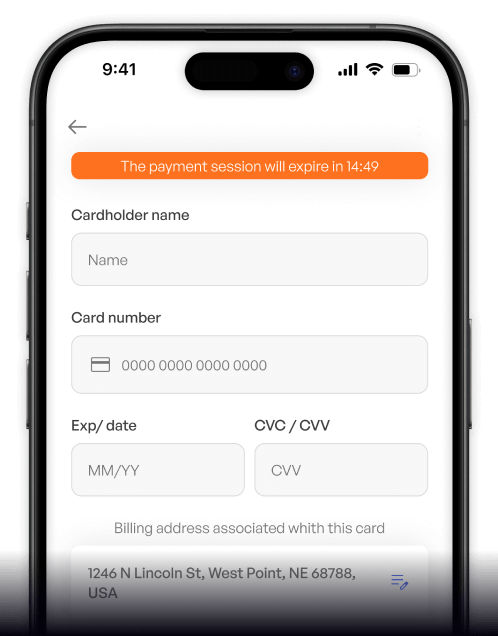
How to Buy Rocket Pool (RPL)
 Step-by-step guidance
 Easy credit card payments
 Streamlined purchase process
 Web
Web
Popular Coins for Bangladeshi Taka (BDT)





Other Coins for Bangladeshi Taka (BDT)





Frequently asked questions
-
What is the BDT/RPL trading pair and what does it represent?
The BDT/RPL pair allows you to purchase Rocket Pool's utility token (RPL) using Bangladeshi Taka (BDT). This pair serves as a direct fiat on-ramp for users in Bangladesh to access the Rocket Pool ecosystem, a leading decentralized Ethereum staking protocol. It enables participation in liquid staking and interaction with its smart contract-based infrastructure. -
What are the typical methods to buy RPL with BDT in Bangladesh?
Due to local financial regulations, direct purchases on centralized exchanges can be challenging. The most common method is through peer-to-peer (P2P) platforms. On these platforms, you can use local payment methods like bank transfers, bKash, or Nagad to buy a stablecoin like USDT first, and then trade that for RPL on a cryptocurrency exchange with high liquidity. -
What is the core utility of the RPL token within the Rocket Pool protocol?
The RPL token has two primary functions. First, it serves as a security deposit for permissionless node operators. To run a 'minipool' and stake ETH on behalf of the protocol, operators must stake a certain amount of RPL as collateral. Second, RPL is the governance token, allowing holders to participate in the Rocket Pool DAO and vote on protocol upgrades and changes. -
Do I need to complete KYC/AML compliance to trade BDT for RPL?
Yes, virtually all reputable fiat on-ramp services, including P2P platforms that facilitate BDT transactions, require users to complete Know Your Customer (KYC) and Anti-Money Laundering (AML) verification. This is a standard security measure to protect all users, prevent illicit activities, and comply with global financial regulations for digital asset purchases. -
How does acquiring RPL relate to receiving Ethereum staking rewards?
Owning RPL itself does not automatically grant you ETH staking rewards. Instead, the Rocket Pool protocol allows you to stake your ETH (a minimum of 0.01 ETH) to receive rETH, a liquid staking token that accrues value from Ethereum consensus layer rewards. RPL is the utility token primarily used by node operators who facilitate this staking process, so acquiring RPL is key for those wanting to run a permissionless node.

Buy on the go
Anywhere. Anytime.
Buy crypto with your credit card from anywhere. Live rates, transparent fees, and 3D Secure on every order - the full Switchere card-buy experience in your pocket.



Scan to download the app iOS and Android

