Convert
BDT to LINK Instantly
Bangladeshi Taka to Chainlink (ERC20) at the real-time exchange rate


Purchase LINK (ERC20) with Bangladeshi Taka (BDT) easily at Switchere and benefit from fast, secure transactions.
About
LINK (ERC20)
For users in Bangladesh looking to access decentralized oracle networks, a reliable BDT to LINK converter is essential for calculating exact conversion costs. The LINK to BDT rate is shaped by international market liquidity, the inherent volatility of the cryptocurrency, and local foreign exchange dynamics of the Bangladeshi Taka. When executing a fiat on-ramp to buy LINK with BDT, users frequently utilize mobile financial services like bKash, Nagad, or direct bank transfers, alongside standard credit or debit card payments. Adherence to strict KYC and AML requirements is standard during these transactions.
Chainlink functions as the industry-standard oracle network connecting smart contracts to real-world data, and its native token is predominantly structured as an ERC-20 asset on the Ethereum blockchain. Consequently, after checking the exchange rate, buyers must provide a compatible Ethereum wallet address to receive their funds. It is important to account for network congestion, as transaction confirmation times and gas fees will fluctuate depending on Ethereum's current load. By converting the local currency into this digital asset, Bangladeshi developers, Web3 enthusiasts, and tech professionals gain direct exposure to the broader decentralized finance ecosystem, securing utility tokens necessary for node operation and data requests.

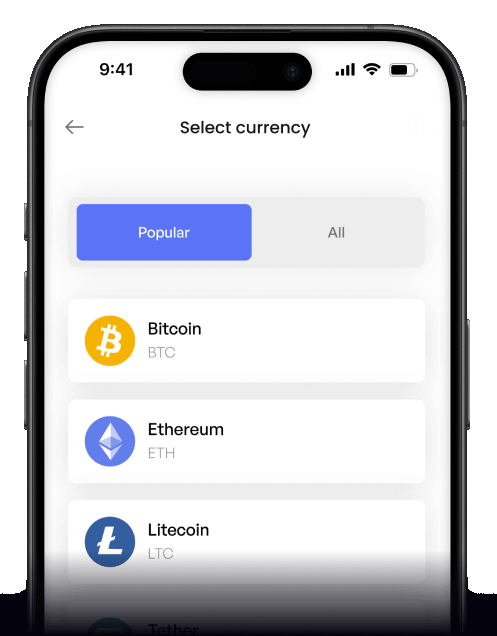
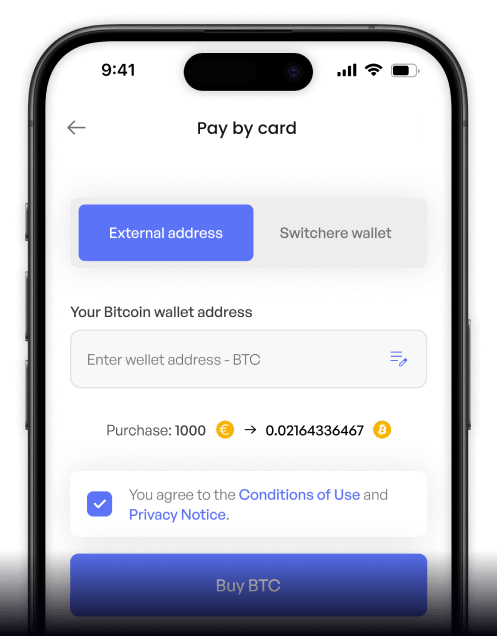
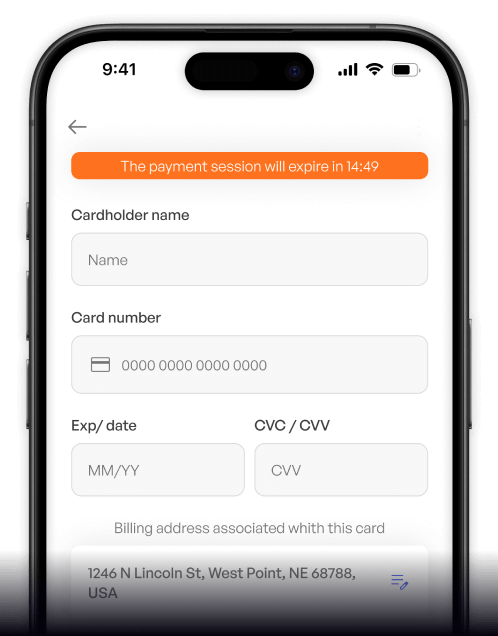
How to Buy LINK (ERC20)
 Step-by-step guidance
 Easy credit card payments
 Streamlined purchase process
 Web
Popular Coins for Bangladeshi Taka (BDT)


Other Coins for Bangladeshi Taka (BDT)


Frequently asked questions
-
What are the common methods for buying Chainlink (LINK) with Bangladeshi Taka (BDT)?
The most common fiat on-ramp for purchasing LINK with BDT is through peer-to-peer (P2P) marketplaces on major cryptocurrency exchanges. Users can directly trade with sellers who accept BDT via popular local payment methods like bKash, Nagad, or bank transfers. This P2P process allows for a direct digital asset purchase, bypassing the need for intermediate currency conversions and leveraging the local financial infrastructure. -
What is the technical role of Chainlink's decentralized oracle network in the blockchain ecosystem?
Chainlink's decentralized oracle network functions as a critical middleware layer that connects hybrid smart contracts on the blockchain with real-world data, events, and off-chain computation. It uses a network of independent node operators to fetch, validate, and deliver external data in a secure and reliable manner. This enables smart contracts to execute based on inputs that exist outside their native blockchain, a crucial function for DeFi, insurance, and many other advanced applications. -
What are the KYC/AML compliance requirements for BDT to LINK transactions?
To ensure secure trading and comply with regulations, most reputable platforms facilitating BDT to LINK conversions, including P2P services, require users to complete Know Your Customer (KYC) and Anti-Money Laundering (AML) verification. This process typically involves submitting a government-issued ID and sometimes proof of address. These KYC/AML compliance measures are essential for preventing illicit activities and protecting users within the digital asset ecosystem. -
What kind of fees should I expect when trading the BDT/LINK pair on a P2P platform?
When trading BDT for LINK on a P2P marketplace, there are typically two types of fees. First, the cryptocurrency exchange may charge a small trading fee, which is often lower for 'makers' (who create ads) than for 'takers' (who respond to ads). Second, your chosen BDT payment provider, like bKash or a local bank, may have its own transaction fees for sending the payment. It's important to review the platform's fee structure and the terms of your payment method before completing the blockchain transaction. -
How can I securely store my LINK tokens after a BDT purchase?
After acquiring LINK, it is a security best practice to transfer your digital assets from the exchange to a personal digital wallet where you control the private keys. For active use, a software wallet (hot wallet) like MetaMask or Trust Wallet is suitable. For long-term storage and maximum security, a hardware wallet (cold storage) like a Ledger or Trezor device is highly recommended. These devices keep your private keys offline, protecting your LINK, an ERC-677 token, from online threats.

Buy on the go
Anywhere. Anytime.
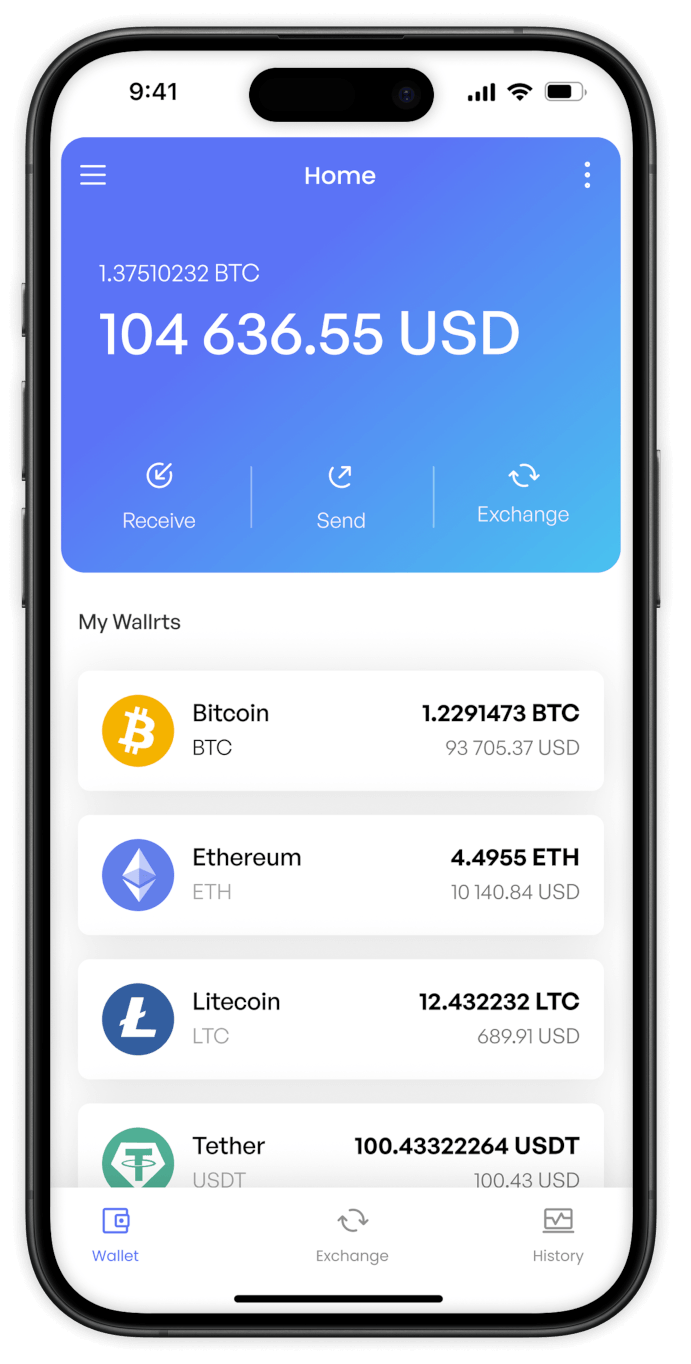
Buy crypto with your credit card from anywhere. Live rates, transparent fees, and 3D Secure on every order - the full Switchere card-buy experience in your pocket.



Scan to download the app iOS and Android