


Convert
Bangladeshi Taka (BDT) to Dai (DAI) Instantly


Purchase Dai (DAI) with Bangladeshi Taka (BDT) easily at Switchere and benefit from fast, secure transactions.
About
Dai (DAI)
DAI (DAI) stands as a pioneering decentralized stablecoin soft-pegged to the US Dollar, operating on the Ethereum blockchain as an ERC-20 token. Its primary purpose is to provide a censorship-resistant and transparent digital asset that maintains a stable value, offering a crucial building block for the decentralized finance (DeFi) ecosystem. Governed by the MakerDAO community through the MKR governance token, DAI's stability is achieved through a sophisticated system of over-collateralization. Users generate DAI by locking up approved crypto assets, such as ETH or WBTC, into smart contracts known as Maker Vaults (formerly Collateralized Debt Positions or CDPs). This process ensures that every DAI in circulation is backed by a greater value of collateral, mitigating volatility risks.
The core technology relies on Ethereum's smart contract capabilities to manage these Vaults, automate liquidations if collateral value drops below a certain threshold, and maintain the peg through various stability mechanisms, including Stability Fees and the Dai Savings Rate (DSR). The DSR allows DAI holders to earn yield on their holdings directly on-chain. DAI's utility token function is primarily as a stable medium of exchange, a unit of account, and a store of value within countless DeFi applications, including lending protocols, decentralized exchanges, and yield farming strategies. As one of the most widely integrated crypto-backed stablecoins, DAI is a foundational element of Web3 infrastructure, enabling peer-to-peer transactions and complex financial instruments without reliance on traditional intermediaries.
How to Buy Dai (DAI)
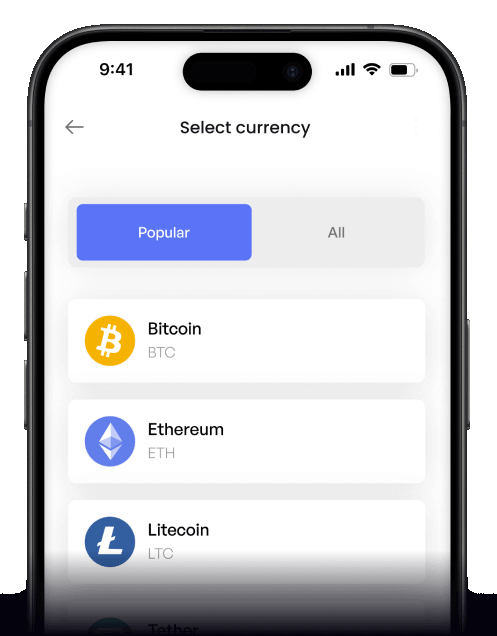
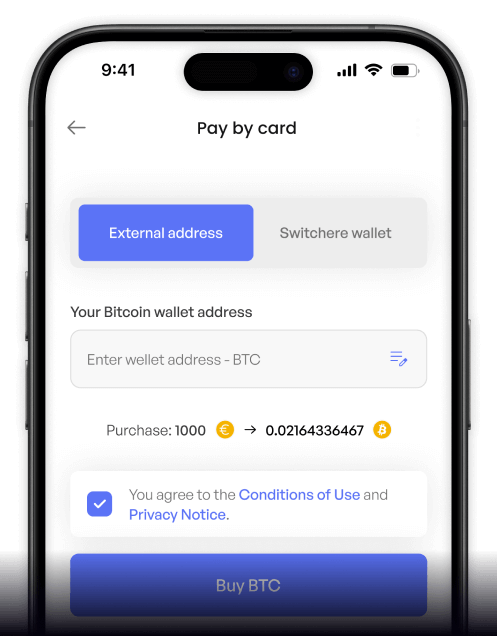
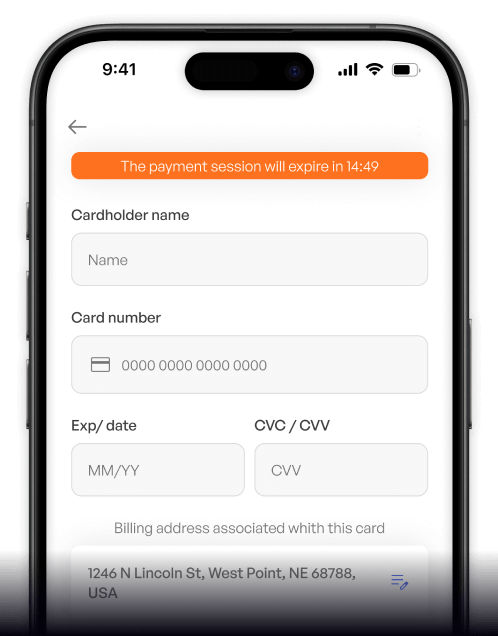
 Step-by-step guidance
 Easy credit card payments
 Streamlined purchase process
 Web
Web
Popular Coins for Bangladeshi Taka (BDT)




Other Coins for Bangladeshi Taka (BDT)




Frequently asked questions
-
What are the common methods for buying the Dai (DAI) stablecoin with Bangladeshi Taka (BDT)?
The most prevalent method for converting BDT to DAI is through peer-to-peer (P2P) platforms. These services act as a fiat on-ramp by connecting buyers and sellers directly. Transactions typically utilize local payment methods such as bank transfers or Mobile Financial Services (MFS) like bKash and Nagad, which are facilitated by the platform's escrow system to ensure a secure digital asset purchase. -
Why is DAI a preferred stablecoin for those converting from BDT to access DeFi?
DAI's main appeal is its decentralized nature. Unlike centralized stablecoins, it is not controlled by a single entity. It maintains its peg to the USD through a system of over-collateralized crypto assets locked in Maker Protocol smart contracts, known as Vaults. This transparency and censorship resistance make it a foundational asset within the decentralized finance (DeFi) ecosystem, offering a reliable store of value for users entering from fiat like BDT. -
What technical knowledge is needed to securely store DAI after a BDT to DAI conversion?
Since DAI is an ERC-20 token on the Ethereum blockchain (and other chains), you need a compatible digital wallet. Users should understand the basics of managing a non-custodial wallet, which includes securely storing a private key or seed phrase. Using a hardware wallet is the recommended best practice for enhanced security. It's crucial to understand that you are responsible for your own funds, a core principle of interacting with decentralized assets. -
What is the role of the Maker (MKR) token in the BDT/DAI ecosystem?
While not directly traded in the BDT/DAI pair, the Maker (MKR) token is crucial for the stability of DAI. MKR holders form the MakerDAO, a decentralized autonomous organization that governs the Maker Protocol. They vote on key parameters like stability fees and collateral types, ensuring the health and peg of the DAI stablecoin that users acquire with their BDT. -
Are there specific KYC/AML compliance risks when trading BDT for DAI on P2P markets?
Yes, regulatory clarity in Bangladesh can be complex. While reputable P2P platforms require KYC (Know Your Customer) verification to comply with AML (Anti-Money Laundering) regulations, users must be diligent. Always trade with verified, high-reputation users within the platform's ecosystem. Using the built-in escrow service is critical for mitigating counterparty risk and ensuring the BDT payment and DAI release occur as agreed.

Buy on the go
Anywhere. Anytime.
Buy crypto with your credit card from anywhere. Live rates, transparent fees, and 3D Secure on every order - the full Switchere card-buy experience in your pocket.



Scan to download the app iOS and Android

