


Convert
Bangladeshi Taka (BDT) to Open Campus (EDU) Instantly


Purchase Open Campus (EDU) with Bangladeshi Taka (BDT) easily at Switchere and benefit from fast, secure transactions.
About
Open Campus (EDU)
Open Campus (EDU) is a pioneering Web3 education protocol designed to fundamentally reshape the global learning landscape by decentralizing control and returning value to educators and learners. Operating on the BNB Chain, this decentralized network tackles inefficiencies in the traditional education system by empowering content creators to tokenize their intellectual property. The core of its infrastructure involves Publisher NFTs, which are smart contracts that represent ownership and revenue-sharing rights for educational content. This blockchain technology enables a transparent and equitable system where educators can directly monetize their materials and co-own the content they create, fostering a more collaborative and innovative digital asset ecosystem for learning materials.
The EDU token is the native utility and governance token that fuels the entire Open Campus ecosystem. Its tokenomics are designed for deep integration and functionality. As a utility token, EDU is used for payments, giving users access to exclusive content, courses, and other educational products offered through the protocol. Furthermore, as a governance token, holders can participate in on-chain voting, influencing key decisions regarding the platform's development and treasury allocation. This community-led approach positions Open Campus as a key player in building a new, decentralized educational infrastructure, creating a global marketplace where knowledge itself becomes a verifiable and tradable digital asset on a public ledger.

How to Buy Open Campus (EDU)
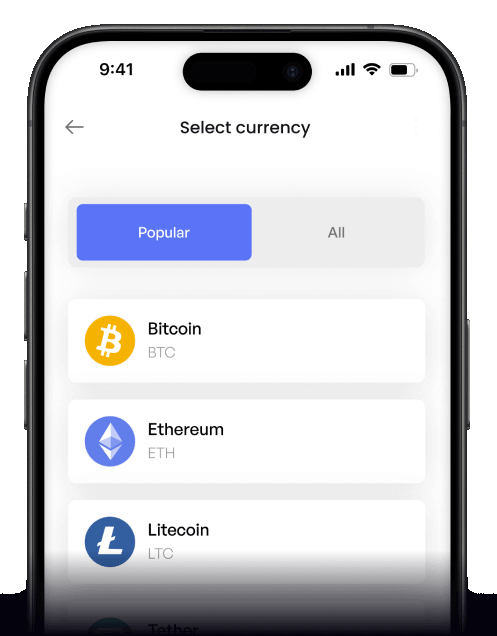
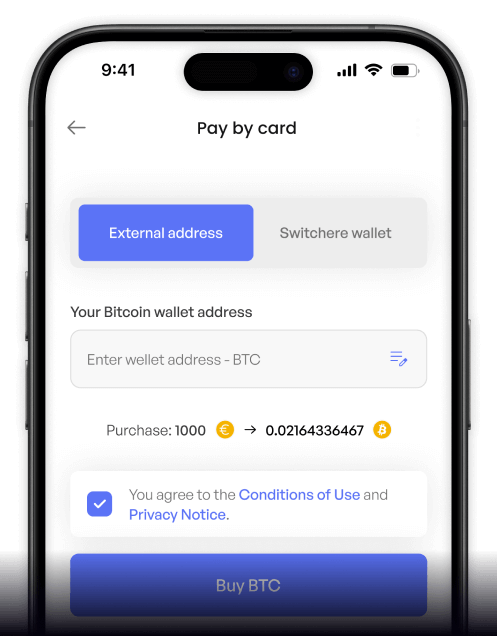
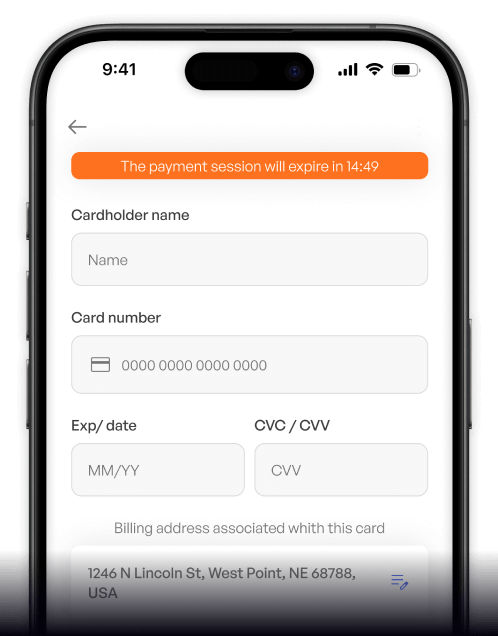
 Step-by-step guidance
 Easy credit card payments
 Streamlined purchase process
 Web
Web
Popular Coins for Bangladeshi Taka (BDT)




Other Coins for Bangladeshi Taka (BDT)








Frequently asked questions
-
What exactly is the BDT/EDU trading pair and what does it represent?
The BDT/EDU pair represents the exchange rate between the Bangladeshi Taka (BDT), a fiat currency, and Open Campus (EDU), a digital asset. It indicates how many BDT are needed to purchase one EDU token. This pair facilitates a direct fiat on-ramp for users in Bangladesh to invest in the Web3 education ecosystem powered by Open Campus, a platform designed for tokenizing educational content via Publisher NFTs and rewarding content creators. -
What are the common methods to buy Open Campus (EDU) using Bangladeshi Taka (BDT)?
The most common method is through peer-to-peer (P2P) trading platforms integrated within major cryptocurrency exchanges. Users can find sellers who accept BDT via local payment methods like bKash, Nagad, or bank transfers. On these platforms, the exchange acts as an escrow service to ensure a secure transaction, holding the EDU tokens until the BDT payment is confirmed, thus providing a secure fiat gateway. -
What specific utility does the EDU token have within the Open Campus decentralized education protocol?
The EDU token is central to the Open Campus ecosystem. Its primary utilities include: 1) Governance, allowing holders to vote on proposals affecting the protocol's future. 2) Payments, for accessing educational content or minting Publisher NFTs. 3) Incentivization, rewarding content creators and co-publishers for their contributions, fostering a robust 'learn-to-earn' environment built on blockchain technology. -
Is KYC/AML compliance required when using a BDT fiat gateway to purchase EDU tokens?
Yes, virtually all reputable cryptocurrency exchanges that provide a fiat gateway for BDT require users to complete Know Your Customer (KYC) and adhere to Anti-Money Laundering (AML) regulations. This typically involves submitting government-issued identification. This process is crucial for platform security, preventing illicit activities, and ensuring a secure trading environment for all users purchasing digital assets. -
After buying EDU with BDT, what is the most secure way to store the digital asset?
For maximum security, it is highly recommended to transfer your EDU tokens from the cryptocurrency exchange to a non-custodial digital wallet. This gives you full control over your private keys. Options include software wallets like MetaMask or Trust Wallet, or for larger amounts, hardware wallets (cold storage). Storing assets on an exchange is convenient but exposes you to platform-specific risks, whereas a personal wallet ensures you are the sole custodian of your funds.

Buy on the go
Anywhere. Anytime.
Buy crypto with your credit card from anywhere. Live rates, transparent fees, and 3D Secure on every order - the full Switchere card-buy experience in your pocket.


Scan to download the app iOS and Android

