


Convert
Bangladeshi Taka (BDT) to Internet Computer (ICP) Instantly


Purchase Internet Computer (ICP) with Bangladeshi Taka (BDT) easily at Switchere and benefit from fast, secure transactions.
About
Internet Computer (ICP)
Internet Computer (ICP) is a decentralized network designed to function as a 'World Computer,' providing a complete Web3 infrastructure for hosting software, services, and data directly on the blockchain. Developed by the DFINITY Foundation, it fundamentally aims to extend the public internet's capabilities, allowing developers to build and deploy applications without reliance on centralized cloud providers. The core of its architecture is Chain Key Technology, a cryptographic breakthrough that allows the network to operate at web speed with unbounded capacity. This technology enables its unique smart contracts, known as 'canisters,' to serve interactive web content directly to end-users, facilitating a seamless and fully on-chain experience.
The network utilizes a 'reverse gas model,' where developers pre-load canisters with 'cycles'—a computational fuel converted from ICP utility tokens—to cover user interaction costs. Governance is managed by the Network Nervous System (NNS), an on-chain, tokenized system where ICP holders stake tokens in 'neurons' to vote on proposals and earn rewards. This positions ICP as a foundational layer for building scalable DeFi applications, decentralized social media, and enterprise systems entirely on-chain. The ICP digital asset is thus integral for network participation, rewarding node machine providers, and fueling the computational power of its ecosystem.

How to Buy Internet Computer (ICP)
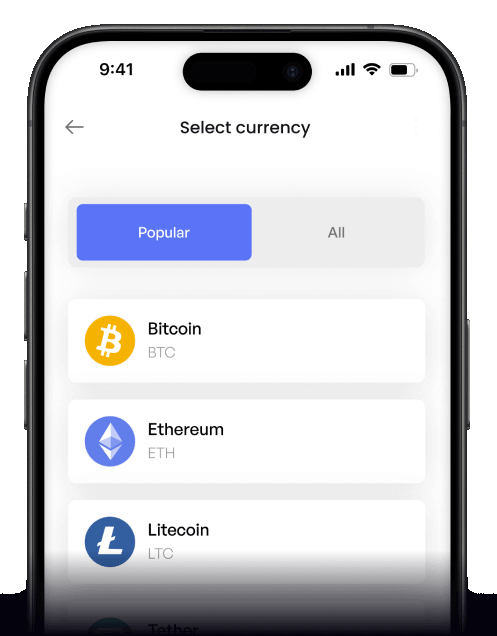
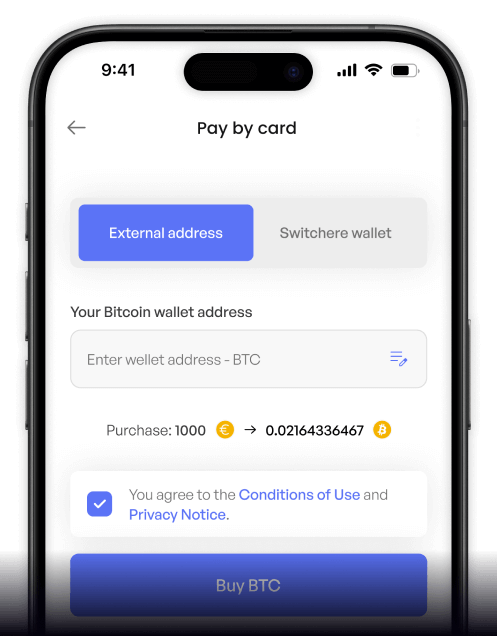
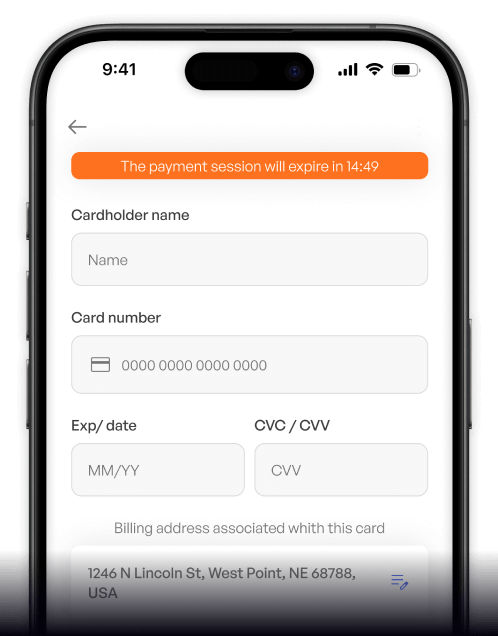
 Step-by-step guidance
 Easy credit card payments
 Streamlined purchase process
 Web
Web
Popular Coins for Bangladeshi Taka (BDT)





Other Coins for Bangladeshi Taka (BDT)









Frequently asked questions
-
What is the primary method to buy Internet Computer (ICP) with Bangladeshi Taka (BDT)?
The most common method is through peer-to-peer (P2P) platforms on major cryptocurrency exchanges. Users typically buy a stablecoin like USDT or BUSD first using BDT via local payment methods such as bank transfers or mobile financial services (MFS). After acquiring the stablecoin, you can then trade it for ICP on the exchange's spot market. This two-step process acts as a fiat on-ramp where direct BDT/ICP trading pairs are unavailable. -
What are the core functions of the ICP token that I can use after my purchase?
The ICP token has three primary utilities. First, you can lock it into 'neurons' to participate in the Network Nervous System (NNS), the DAO that governs the Internet Computer. Second, ICP can be converted into 'cycles,' which are used to pay for computation and storage for 'canisters' (advanced smart contracts), effectively powering Web3 services. Third, it acts as a store of value within the ecosystem. This utility is central to the operation of dapps on its network. -
How does Internet Computer's 'reverse gas model' affect users of dapps built on it?
The 'reverse gas model' is a key feature where developers, not users, pay for computation. Developers pre-load their canisters with 'cycles' (derived from ICP). This means end-users can interact with dapps on the Internet Computer without needing a wallet or tokens to pay for gas fees for every transaction. This drastically improves the user experience and lowers the barrier to entry for mainstream adoption of Web3 services. -
What are 'subnet blockchains' on Internet Computer and why do they matter?
Subnet blockchains are a core part of Internet Computer's architecture, allowing the network to scale infinitely. Each subnet is a group of nodes that runs its own blockchain and hosts canisters. This structure allows the network to process transactions and data in parallel across many subnets, preventing the bottlenecks seen on single-chain architectures. New subnets can be added through proposals to the NNS, enabling the network's capacity to grow with demand. -
Are there specific KYC/AML requirements I need to know when using BDT for a crypto purchase?
Yes, any reputable cryptocurrency exchange facilitating P2P trades with BDT will require you to complete Know Your Customer (KYC) and Anti-Money Laundering (AML) verification. This typically involves submitting a government-issued ID and sometimes proof of address. This is a standard security procedure to comply with regulations, prevent fraud, and secure the trading environment for all users on the platform.

Buy on the go
Anywhere. Anytime.
Buy crypto with your credit card from anywhere. Live rates, transparent fees, and 3D Secure on every order - the full Switchere card-buy experience in your pocket.



Scan to download the app iOS and Android

