


Convert
Bangladeshi Taka (BDT) to The Graph (GRT) Instantly


Purchase The Graph (GRT) with Bangladeshi Taka (BDT) easily at Switchere and benefit from fast, secure transactions.
About
The Graph (GRT)
The Graph (GRT) is a decentralized indexing protocol for querying and organizing data from blockchains, akin to a search engine for the Web3 ecosystem. It addresses a critical challenge in blockchain technology: the difficulty of efficiently retrieving specific on-chain data. Before The Graph, developers had to build and operate proprietary indexing servers, a resource-intensive process. This protocol provides a foundational middleware layer, enabling decentralized applications (dApps) to query complex smart contract data through open APIs called subgraphs, significantly streamlining the development of DeFi applications and other Web3 infrastructure.
At its core, the network utilizes a work token, GRT, to coordinate participants: Indexers, Curators, and Delegators. Indexers operate nodes and stake GRT to process queries and provide indexing services. Curators are subgraph developers or data consumers who signal which subgraphs are high-quality by staking GRT. Delegators contribute to network security by delegating their GRT to existing Indexers. This tokenomics model creates a vibrant data economy powered by cryptographic security. By leveraging GraphQL as its query language, The Graph offers a powerful tool, solidifying its position as an essential component for building truly decentralized applications on a global, verifiable digital ledger.

How to Buy The Graph (GRT)
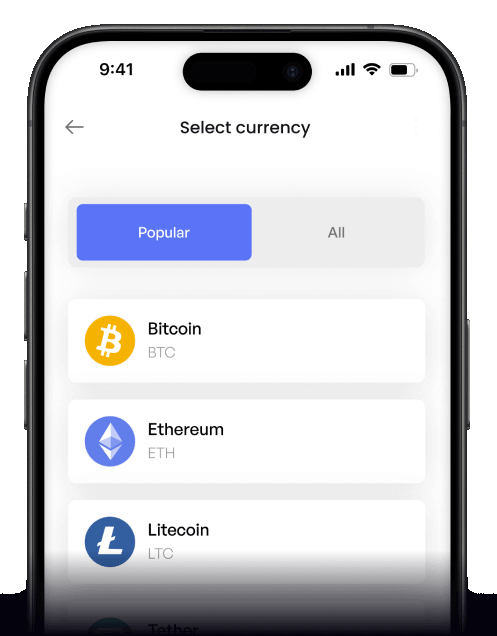
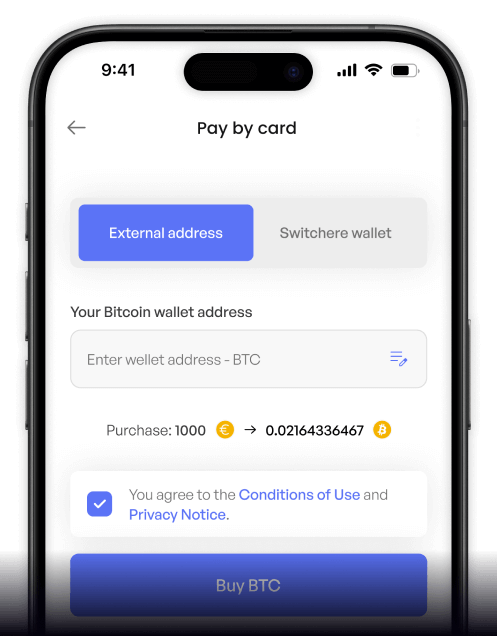
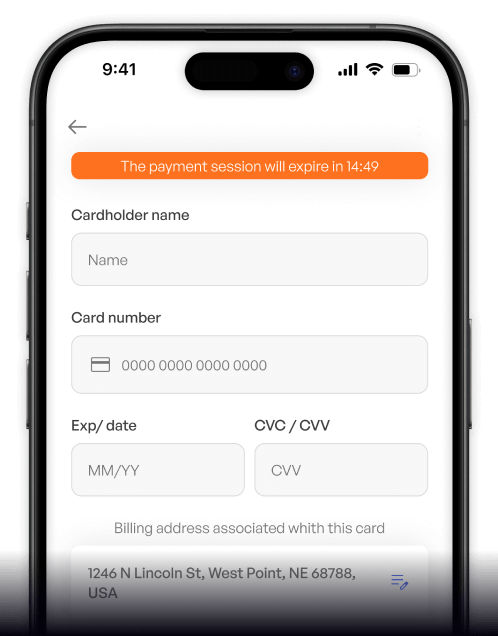
 Step-by-step guidance
 Easy credit card payments
 Streamlined purchase process
 Web
Web
Popular Coins for Bangladeshi Taka (BDT)




Other Coins for Bangladeshi Taka (BDT)








Frequently asked questions
-
What is the most common way to buy The Graph (GRT) with Bangladeshi Taka (BDT)?
Direct BDT/GRT trading pairs are rare on major exchanges. The most common method is using a peer-to-peer (P2P) platform to buy a stablecoin like USDT with BDT via local payment methods such as bKash or Nagad. Once you have USDT in your exchange wallet, you can then trade it for GRT on the spot market. This two-step process is a standard fiat on-ramp procedure in many regions. -
What is The Graph's technical utility in the blockchain space?
The Graph is a decentralized indexing protocol for querying data from blockchains, similar to how search engines index the web. It uses 'subgraphs' to organize blockchain data, which developers of decentralized applications (dApps) can then query using a standard GraphQL API. This solves a major data accessibility problem, making it much easier to build performant dApps on networks like Ethereum. -
What network roles can I participate in by holding GRT tokens?
Holding GRT allows you to participate in The Graph Network in several key roles. You can be a 'Delegator' by staking your GRT with an 'Indexer' to earn a portion of their query fees and rewards. An 'Indexer' runs a node to index subgraphs and process queries. A 'Curator' signals which subgraphs are valuable and high-quality by staking GRT on them. Each role is crucial for the network's data integrity and organization. -
What fees are involved in a typical BDT to GRT transaction?
A BDT to GRT conversion involves multiple potential fees. First, when using a P2P service, there's the exchange rate spread set by the seller. Second, your local payment method (e.g., bKash) might have a transfer fee. Third, the cryptocurrency exchange will charge a trading fee (maker/taker fee) for the USDT/GRT trade. Finally, when you withdraw your GRT to a private digital wallet, you must pay a network gas fee, as GRT is an ERC-20 token on the Ethereum blockchain. -
Why is it difficult to find a direct BDT/GRT trading pair?
Direct fiat-to-altcoin pairs like BDT/GRT are uncommon due to liquidity constraints. Major exchanges focus on pairs with high trading volume, typically involving major fiat currencies (like USD, EUR) or stablecoins (like USDT). Creating an order book for a less common pair like BDT/GRT would likely result in low liquidity, high slippage, and a poor trading experience. The BDT -> USDT -> GRT route ensures deeper liquidity at each step.

Buy on the go
Anywhere. Anytime.
Buy crypto with your credit card from anywhere. Live rates, transparent fees, and 3D Secure on every order - the full Switchere card-buy experience in your pocket.



Scan to download the app iOS and Android

