


Convert
Bangladeshi Taka (BDT) to Ren (REN) Instantly


Purchase Ren (REN) with Bangladeshi Taka (BDT) easily at Switchere and benefit from fast, secure transactions.
About
Ren (REN)
Ren (REN) is a decentralized interoperability protocol designed to facilitate the permissionless transfer of digital assets between different blockchain networks. Its primary purpose is to unlock cross-chain liquidity for decentralized finance (DeFi) applications. The core of the project is the RenVM, a decentralized virtual machine powered by a network of nodes called Darknodes. By leveraging secure multi-party computation (sMPC), the RenVM can custody assets on one chain and mint a 1:1 backed ERC-20 representation on another, such as Ethereum, without exposing the underlying private keys. This process enables assets like Bitcoin (BTC) to be used within the Ethereum DeFi ecosystem as renBTC.
The protocol's native utility token, REN, is essential for the operation and security of the network. To run a Darknode, operators must stake a bond of 100,000 REN tokens as collateral. This cryptographic security measure incentivizes honest behavior, as malicious actions would result in the forfeiture of the staked digital asset. Darknode operators earn rewards from the fees generated by asset transfers through the RenVM. As a foundational piece of Web3 infrastructure, Ren functions as a trustless bridge, enhancing the composability and capital efficiency of the entire on-chain ecosystem by breaking down the silos between disparate blockchains.

How to Buy Ren (REN)
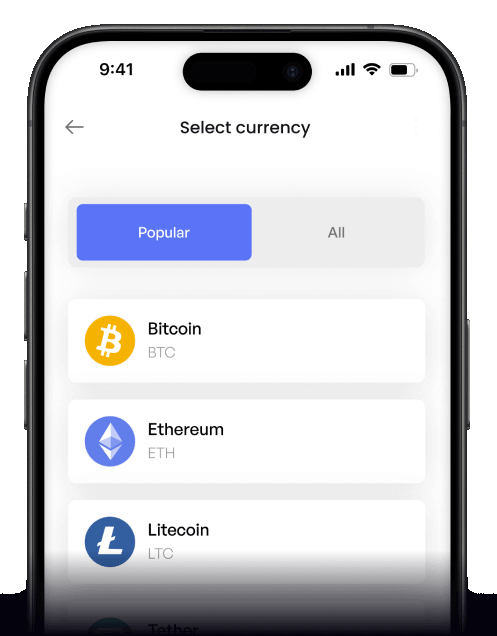
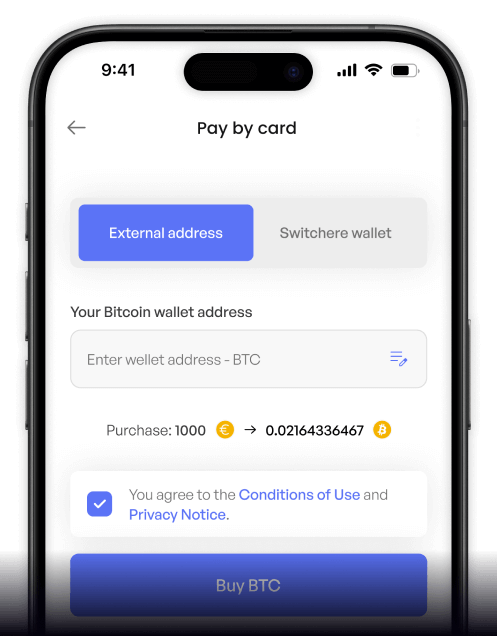
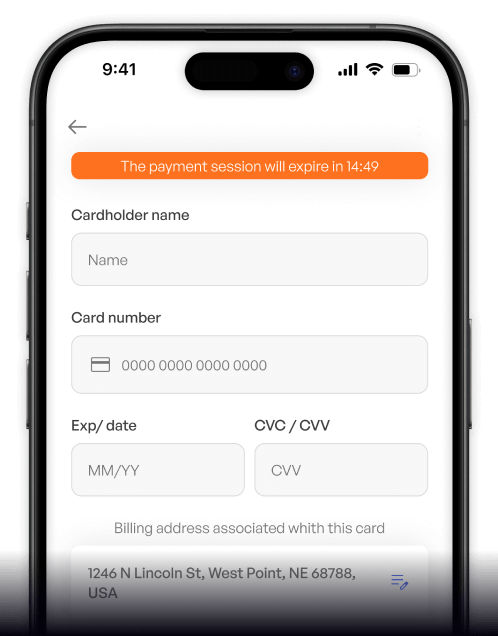
 Step-by-step guidance
 Easy credit card payments
 Streamlined purchase process
 Web
Web
Popular Coins for Bangladeshi Taka (BDT)




Other Coins for Bangladeshi Taka (BDT)








Frequently asked questions
-
What is the BDT/REN pair and its significance for DeFi users in Bangladesh?
The BDT/REN pair represents the trading relationship between the Bangladeshi Taka and the Ren protocol's token, REN. Its significance lies in providing a fiat on-ramp for users in Bangladesh to access Ren's interoperability protocol. By converting BDT to REN, users can engage with RenVM to bridge assets like Bitcoin (as renBTC) into various DeFi ecosystems, particularly on Ethereum, enabling participation in cross-chain finance directly with their local currency. -
What are the common methods for purchasing REN with Bangladeshi Taka (BDT)?
Direct BDT/REN listings on major cryptocurrency exchanges are uncommon. Therefore, the primary method is often through peer-to-peer (P2P) marketplaces. On these platforms, you can directly buy REN from other users using local payment methods like bKash, Nagad, or bank transfers. Users should look for reputable P2P platforms that offer escrow services to ensure secure trading and complete any necessary KYC/AML compliance checks. -
How does RenVM facilitate cross-chain transactions after acquiring REN?
While REN is the protocol's utility and governance token, the core engine is RenVM. After you acquire REN, you can use the RenBridge to lock assets like Bitcoin (BTC) on its native chain. RenVM then mints an equivalent amount of a wrapped asset, like renBTC (an ERC-20 token), on a host chain like Ethereum. This process, secured by a decentralized network of Darknodes using sMPC, allows you to use BTC within Ethereum's DeFi ecosystem without selling your original asset, thus enabling seamless cross-chain liquidity. -
What security measures should I consider when trading BDT for REN on a P2P platform?
When engaging in P2P trading, prioritize platforms with a strong reputation and built-in escrow services. This ensures your BDT is only released after the seller's REN is confirmed in escrow. Always verify the counterparty's trading history and feedback score. Use two-factor authentication (2FA) on your exchange account. Once the blockchain transaction is complete, immediately transfer your REN tokens from the platform's wallet to a personal, non-custodial digital wallet where you control the private keys for maximum security. -
Are there specific fees associated with converting BDT to REN and using the protocol?
Yes, several fees can apply. On a P2P marketplace, the seller's price in the order book will typically include their profit margin. Your payment provider (e.g., bKash) might charge a transaction fee. When you use the Ren protocol itself to bridge assets, RenVM charges a small percentage fee for minting and burning wrapped assets like renBTC. Finally, since REN and its wrapped assets (like renBTC) are primarily on Ethereum, you will incur standard Ethereum network gas fees for any on-chain transactions, paid in ETH.

Buy on the go
Anywhere. Anytime.
Buy crypto with your credit card from anywhere. Live rates, transparent fees, and 3D Secure on every order - the full Switchere card-buy experience in your pocket.



Scan to download the app iOS and Android

