


Convert
Bangladeshi Taka (BDT) to Loopring (LRC) Instantly


Purchase Loopring (LRC) with Bangladeshi Taka (BDT) easily at Switchere and benefit from fast, secure transactions.
About
Loopring (LRC)
Loopring (LRC) is a Layer-2 scaling protocol built on Ethereum, specifically engineered to power high-performance, non-custodial decentralized exchanges (DEXs) and payment applications. It directly addresses Ethereum's scalability and high gas fee issues by employing a sophisticated cryptographic method called zkRollups (Zero-Knowledge Rollups). This advanced blockchain technology allows Loopring to bundle thousands of off-chain transactions, such as trades and transfers, into a single batch. It then generates a cryptographic proof of this batch's validity, which is submitted to the Ethereum mainnet for verification. This mechanism enables massive throughput and reduces transaction fees to a fraction of on-chain costs, all while inheriting the foundational cryptographic security of the Ethereum network.
A primary function of the protocol is to support order book-based DEXs, providing a trading experience similar to centralized platforms but with the self-custody benefits of a decentralized network. The native utility token, LRC, is crucial for the ecosystem's tokenomics. It can be staked by exchange operators to run a DEX on the protocol, and stakers earn a portion of the trading fees. LRC holders can also stake their tokens to lower their own trading fees and participate in protocol governance, making it a key digital asset for building scalable Web3 infrastructure for DeFi applications.

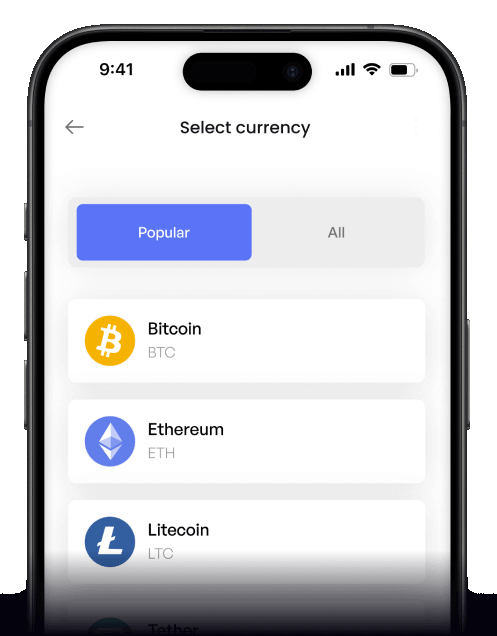
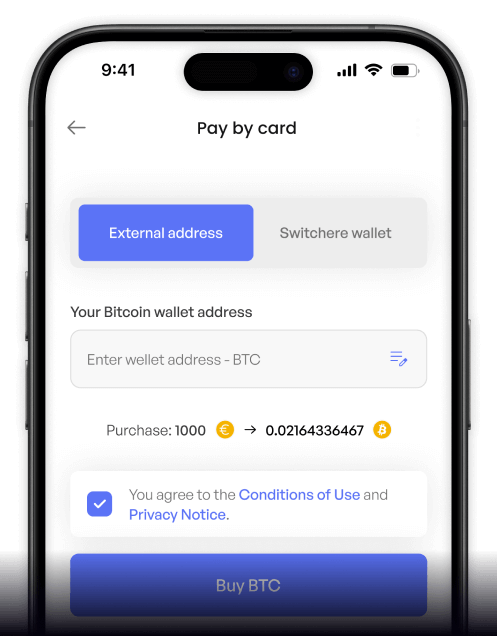
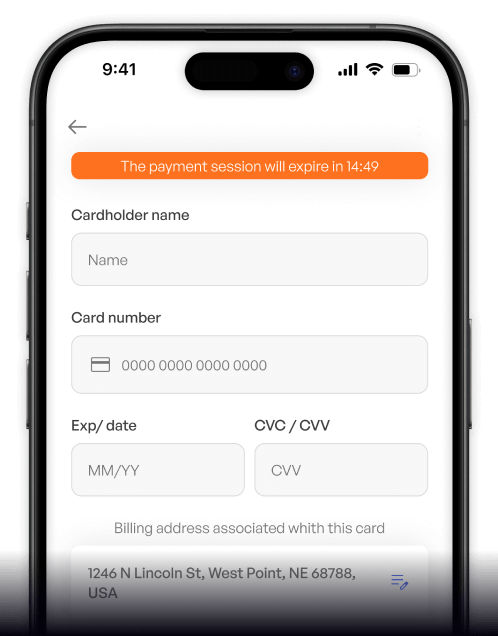
How to Buy Loopring (LRC)
 Step-by-step guidance
 Easy credit card payments
 Streamlined purchase process
 Web
Web
Popular Coins for Bangladeshi Taka (BDT)




Other Coins for Bangladeshi Taka (BDT)







Frequently asked questions
-
What is the BDT/LRC trading pair and what does it represent?
The BDT/LRC pair represents the exchange rate between the Bangladeshi Taka (BDT), a fiat currency, and Loopring (LRC), a digital asset. LRC is the native token of the Loopring protocol, an Ethereum Layer-2 scaling solution that utilizes zkRollup technology to enable high-throughput, low-cost, non-custodial trading on its order book DEX. -
What are the common methods to buy LRC with Bangladeshi Taka (BDT)?
Direct BDT to LRC on-ramps are uncommon. The most prevalent method is using peer-to-peer (P2P) markets on major cryptocurrency exchanges. Users typically buy a stablecoin like USDT with BDT via local payment methods such as bKash, Nagad, or bank transfers, and then trade the USDT for LRC on the exchange's spot market. -
Why would someone use Loopring's Layer-2 instead of a standard Ethereum DEX?
The primary advantages of Loopring's zkRollup technology are significantly lower transaction costs and faster trade execution, effectively offering gas-free trades for users. It processes transactions off-chain but posts cryptographic proofs to Ethereum, thereby inheriting the security of the Ethereum mainnet while providing a user experience comparable to centralized exchanges. -
Is KYC/AML compliance required when purchasing LRC with BDT?
Yes, when using centralized cryptocurrency exchanges, even for P2P trading, you will almost certainly need to complete Know Your Customer (KYC) and Anti-Money Laundering (AML) verification. This is a standard regulatory requirement for secure trading platforms to prevent illicit activities and protect users. -
What is the specific utility of the LRC token within the Loopring ecosystem?
The LRC token has several key functions. It can be staked by liquidity providers, insurers, and DAO governors to earn protocol fees. Staking LRC is also required for anyone wanting to run their own decentralized exchange on Loopring. A portion of protocol fees may be used to buy back and burn LRC, creating deflationary pressure.

Buy on the go
Anywhere. Anytime.
Buy crypto with your credit card from anywhere. Live rates, transparent fees, and 3D Secure on every order - the full Switchere card-buy experience in your pocket.



Scan to download the app iOS and Android

