


Convert
Bangladeshi Taka (BDT) to Alien Worlds (TLM) Instantly


Purchase Alien Worlds (TLM) with Bangladeshi Taka (BDT) easily at Switchere and benefit from fast, secure transactions.
About
Alien Worlds (TLM)
Alien Worlds is a decentralized NFT metaverse and GameFi protocol operating on the WAX and BNB Chain blockchains, with an Ethereum bridge for cross-chain functionality. It establishes a complex, player-driven in-game economy centered around planetary exploration and resource competition. This digital asset ecosystem simulates economic rivalry where players, known as Explorers, compete to acquire the platform's scarce resource, Trilium (TLM). The core of the gameplay involves using NFT game cards—representing tools, land, and avatars—to 'mine' on various planets, each functioning as a decentralized autonomous organization (DAO).
The platform’s architecture is a key differentiator, leveraging blockchain technology for true ownership of in-game items as NFTs. The TLM token is the native utility token central to the entire system. Its primary use cases include staking to planetary DAOs to participate in governance and earn voting power, as well as being the main medium of exchange for purchasing and upgrading NFT items within the metaverse. Players also stake TLM to earn passive rewards and increase their influence. This integrated system of play-to-earn mechanics, DeFi applications like staking, and decentralized governance through planetary DAOs positions Alien Worlds as a foundational project in the Web3 gaming landscape.

How to Buy Alien Worlds (TLM)
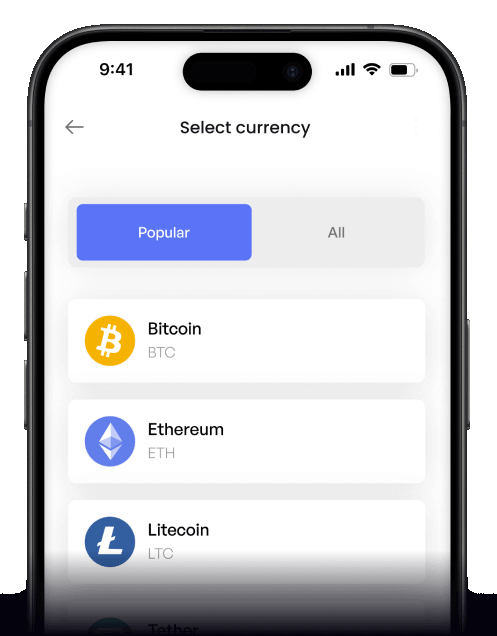
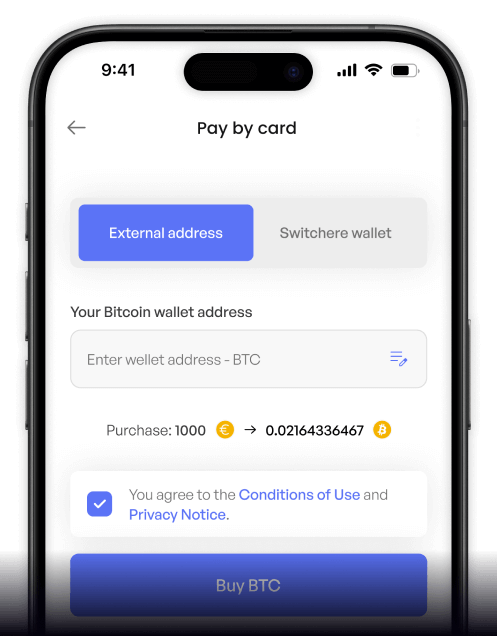
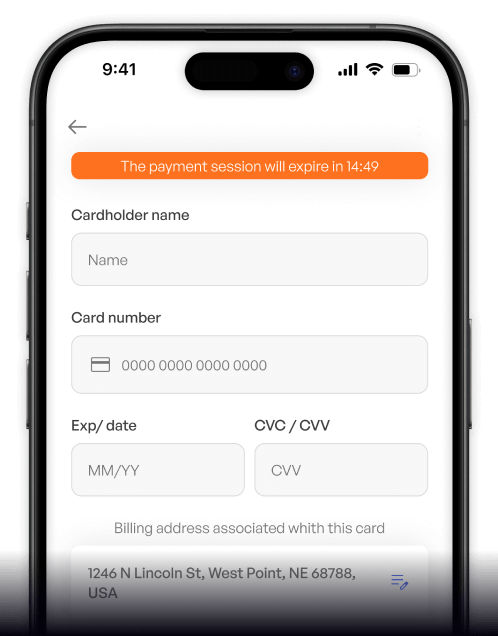
 Step-by-step guidance
 Easy credit card payments
 Streamlined purchase process
 Web
Web
Popular Coins for Bangladeshi Taka (BDT)




Other Coins for Bangladeshi Taka (BDT)








Frequently asked questions
-
What's the most common way to buy Alien Worlds (TLM) with Bangladeshi Taka (BDT)?
Direct BDT/TLM trading pairs are uncommon. The standard method is to use a peer-to-peer (P2P) marketplace on a major cryptocurrency exchange. Users typically buy a stablecoin like USDT or BUSD with BDT using local payment methods such as bKash, Nagad, or a bank transfer. Afterwards, they trade the acquired stablecoin for TLM on the exchange's spot market. -
What is the function of Trilium (TLM) within the Alien Worlds metaverse?
Trilium (TLM) is the native utility token and the core of the play-to-earn (P2E) economy in the Alien Worlds metaverse. Players earn TLM through in-game mining. The token is used for staking to participate in the governance of Planetary DAOs, for competing in staking missions to earn rare NFTs, and as the cross-chain currency on WAX, Ethereum, and BSC blockchains. -
After buying TLM with BDT, what are the blockchain network options for storing it?
TLM is a multi-chain digital asset. When withdrawing from a cryptocurrency exchange, you can typically choose between the WAX blockchain, Binance Smart Chain (BSC), and sometimes Ethereum. For active participation in the Alien Worlds game, the WAX network is primary. Storing it on a BSC-compatible digital wallet like MetaMask or Trust Wallet is also a common option. Always verify the network compatibility of your receiving wallet before initiating a transfer. -
Are there any KYC/AML requirements when using BDT to trade for TLM?
Yes, virtually all reputable cryptocurrency exchanges that offer a fiat on-ramp for Bangladeshi Taka (BDT), even through P2P platforms, mandate KYC/AML (Know Your Customer/Anti-Money Laundering) compliance. You will need to verify your identity with government-issued documents before you can use BDT to buy stablecoins and subsequently trade for TLM. This ensures secure trading and regulatory compliance. -
What kind of fees should I expect when converting BDT to TLM?
The process involves several potential fees. First, on the P2P market, the exchange rate for buying stablecoins with BDT might have a small spread, which acts as an implicit fee. Second, when you trade the stablecoin for TLM on the spot market, the exchange will charge a trading fee (maker or taker fee). Finally, if you withdraw your TLM to an external digital wallet, you'll pay a network withdrawal fee, which varies depending on the chosen blockchain (WAX, BSC, or ETH) and its current congestion.

Buy on the go
Anywhere. Anytime.
Buy crypto with your credit card from anywhere. Live rates, transparent fees, and 3D Secure on every order - the full Switchere card-buy experience in your pocket.



Scan to download the app iOS and Android

