


Convert
Bangladeshi Taka (BDT) to Radiant Capital (RDNT) Instantly


Purchase Radiant Capital (RDNT) with Bangladeshi Taka (BDT) easily at Switchere and benefit from fast, secure transactions.
About
Radiant Capital (RDNT)
Radiant Capital (RDNT) stands as a pioneering omnichain money market designed to unify fragmented liquidity across disparate blockchain networks. Built upon the foundational LayerZero protocol, Radiant addresses a core challenge in decentralized finance (DeFi) by enabling users to deposit collateral on one chain, such as Arbitrum, and seamlessly borrow a different digital asset on another, like BNB Chain, all within a single, cohesive interface. This removes the need for traditional, often insecure, asset bridging, enhancing capital efficiency and user experience across the Web3 ecosystem.
The protocol’s architecture leverages cross-chain interoperability to create a truly unified lending and borrowing platform. The native utility token, RDNT, is central to its tokenomics. To participate in platform emissions generated from borrower interest fees and flash loans, users must become Dynamic Liquidity Providers (dLP) by locking RDNT tokens. This dLP model not only facilitates governance over the protocol's future but also incentivizes long-term liquidity provisioning, aligning user interests with the platform's health. By aggregating liquidity, Radiant Capital positions itself as a foundational piece of infrastructure for a more interconnected and fluid DeFi landscape, powered by advanced smart contracts and secure on-chain transactions.

How to Buy Radiant Capital (RDNT)
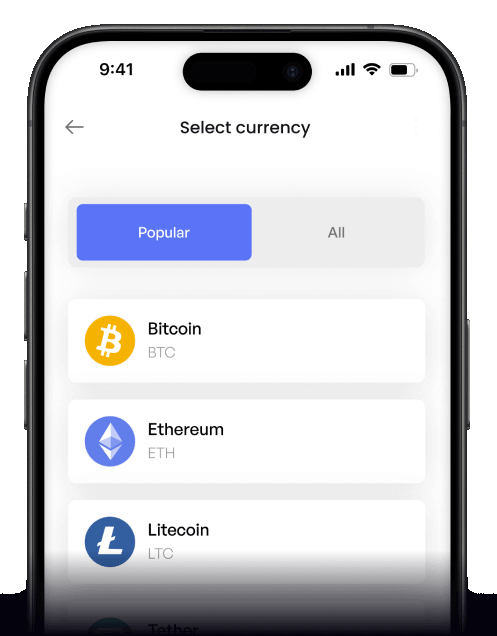
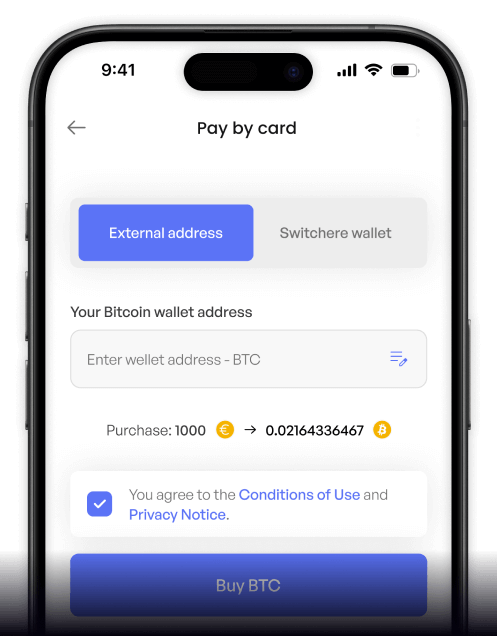
 Step-by-step guidance
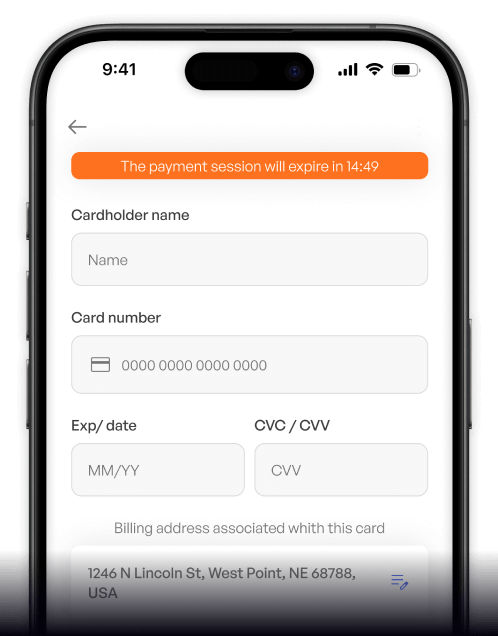
 Easy credit card payments
 Streamlined purchase process
 Web
Web
Popular Coins for Bangladeshi Taka (BDT)




Other Coins for Bangladeshi Taka (BDT)









Frequently asked questions
-
What does the BDT/RDNT pair represent in cryptocurrency trading?
The BDT/RDNT pair signifies a direct trading market between the Bangladeshi Taka (BDT) and the Radiant Capital (RDNT) token. It allows users to purchase RDNT, a digital asset for the omnichain money market, using the BDT fiat currency, typically through a peer-to-peer (P2P) exchange or a local fiat on-ramp service. -
What are the common payment methods in Bangladesh for acquiring RDNT tokens?
To buy RDNT with BDT, users in Bangladesh often rely on P2P platforms that support local payment methods. The most common include local bank transfers, bKash, and Nagad. These services act as a fiat gateway, allowing for the exchange of BDT for a stablecoin like USDT first, which can then be traded for RDNT on a decentralized or centralized exchange. -
What is the core utility of Radiant Capital (RDNT) in the DeFi ecosystem?
Radiant Capital's core utility is being the first omnichain money market. Built on LayerZero's omnichain fungible token (OFT) standard, RDNT allows users to deposit collateral on one blockchain (e.g., Ethereum) and borrow assets on another (e.g., Arbitrum). The RDNT token is central to this, enabling Dynamic Liquidity Provisioning (dLP) which rewards long-term liquidity providers with protocol fees and RDNT emissions. -
Are there specific risks associated with using P2P platforms for BDT to RDNT trades?
Yes, using P2P platforms for any digital asset purchase involves counterparty risk. For BDT to RDNT trades, it's crucial to use a reputable P2P exchange with a reliable escrow service. Always verify the seller's reputation, enable two-factor authentication (2FA) on your account, and never release your BDT until you have confirmed the cryptocurrency has been sent to the escrow. Once you receive the crypto, promptly move your RDNT tokens to a secure, self-custody digital wallet. -
What is Dynamic Liquidity Provisioning (dLP) and why is it important for RDNT holders?
Dynamic Liquidity Provisioning (dLP) is a mechanism within the Radiant Capital protocol where users lock RDNT tokens (typically paired with ETH) to become eligible for platform-generated fees and RDNT emissions. For RDNT holders, locking their tokens as dLP aligns their incentives with the long-term health of the protocol, allowing them to earn a share of the revenue generated from borrowing and lending activities across multiple blockchains.

Buy on the go
Anywhere. Anytime.
Buy crypto with your credit card from anywhere. Live rates, transparent fees, and 3D Secure on every order - the full Switchere card-buy experience in your pocket.



Scan to download the app iOS and Android

