


 Web
Web








Your Guide to Buying USDT Without KYC
 Alexey Morozov
|
Alexey Morozov
|
Sep 18, 2026

Purchase USDT (ERC20) with Bangladeshi Taka (BDT) easily at Switchere and benefit from fast, secure transactions.
Tether (USDT) as an ERC-20 token is a pivotal digital asset operating on the Ethereum blockchain technology, engineered to bridge traditional fiat currencies with the burgeoning crypto economy. Its primary purpose is to offer price stability, aiming for a 1:1 peg with the US dollar, backed by Tether's reserves. This version of USDT leverages the Ethereum network's robust smart contract capabilities and extensive user base, making it an exceptionally liquid and accessible stablecoin for various on-chain operations.
The ERC-20 standard ensures seamless interoperability with a multitude of decentralized applications (dApps) and digital wallets within the Ethereum ecosystem, where transactions incur gas fees. Prominent use cases for USDT (ERC-20) include serving as a dominant trading pair on cryptocurrency exchanges, acting as a temporary haven from market volatility, and forming a foundational component in diverse DeFi applications such as lending protocols, borrowing platforms, and liquidity pools. Its tokenomics are centered on maintaining its peg and ensuring ample liquidity across the digital ledger.
As the leading stablecoin by market capitalization, USDT (ERC-20) is instrumental in injecting liquidity into the broader digital asset market. It functions as a cornerstone of Web3 infrastructure, facilitating efficient peer-to-peer value transfer and offering a reliable medium of exchange. The cryptographic security of this utility token is derived from the underlying Ethereum consensus mechanism, solidifying its position as a widely utilized digital dollar representation within the decentralized network.

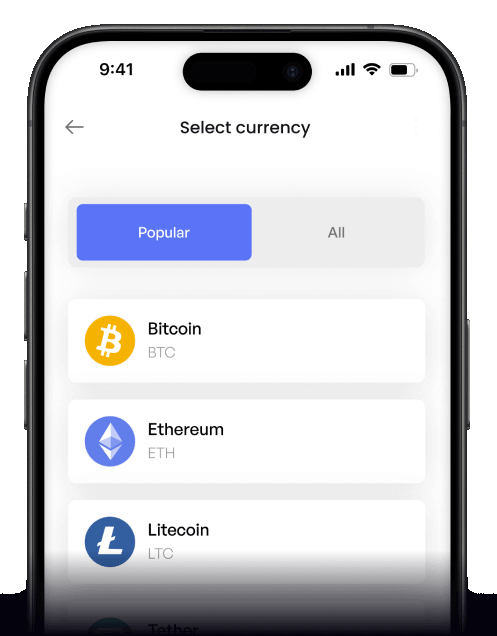
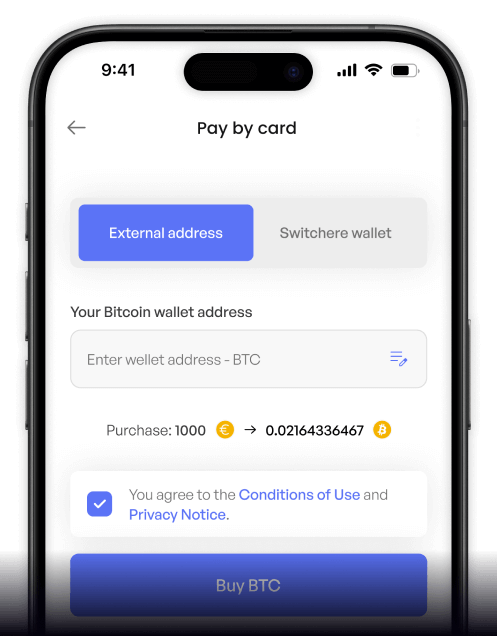
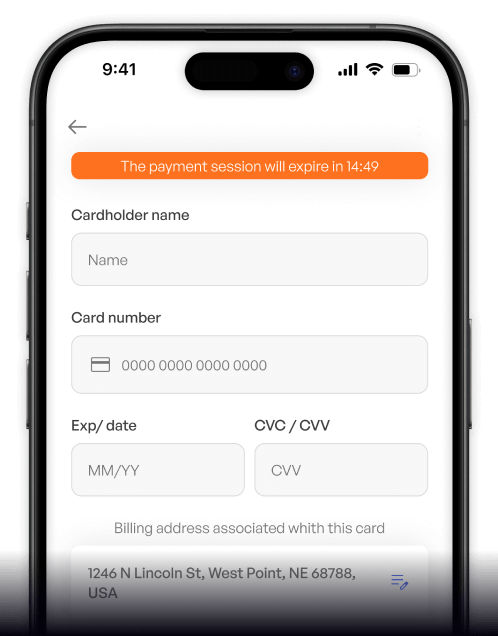
 Step-by-step guidance
 Easy credit card payments
 Streamlined purchase process
Alexey Morozov
|
Streamlined purchase process
Alexey Morozov
|
 Farouk Ahmed
|
Farouk Ahmed
|
 Darina Perepelitza
|
Darina Perepelitza
|
Buy crypto with your credit card from anywhere. Live rates, transparent fees, and 3D Secure on every order - the full Switchere card-buy experience in your pocket.



Scan to download the app iOS and Android

Our website uses cookies. Our Cookie Policy
