Convert
Morocco Dirham (MAD) to UMA (UMA) Instantly
Purchase UMA (UMA) with Morocco Dirham (MAD) easily at Switchere and benefit from fast, secure transactions.
About
UMA (UMA)
UMA, an acronym for Universal Market Access, is a decentralized finance (DeFi) protocol built on the Ethereum blockchain. Its primary objective is to enable the creation of priceless financial contracts and synthetic assets. This innovative approach allows developers to build and deploy custom financial derivatives without relying on a continuous, on-chain price feed, which can be costly and a central point of failure. UMA operates as an optimistic oracle, a system that assumes data is correct unless a dispute is raised. This design provides a flexible and powerful framework for building a wide array of DeFi applications, from tokenized futures to cross-chain bridges, secured by economic incentives rather than constant data streaming.
The core of UMA's architecture is its Data Verification Mechanism (DVM), a human-powered dispute resolution layer. When a data dispute occurs, UMA token holders are called upon to vote and report on the correct price or data point, acting as a "truth machine" for the protocol. The native UMA token is therefore a crucial utility and governance token. Its holders are responsible for securing the digital asset network by participating in DVM votes and governing system upgrades. This unique tokenomics model makes UMA a key piece of Web3 infrastructure for creating secure, on-chain financial instruments that can track any real-world value.
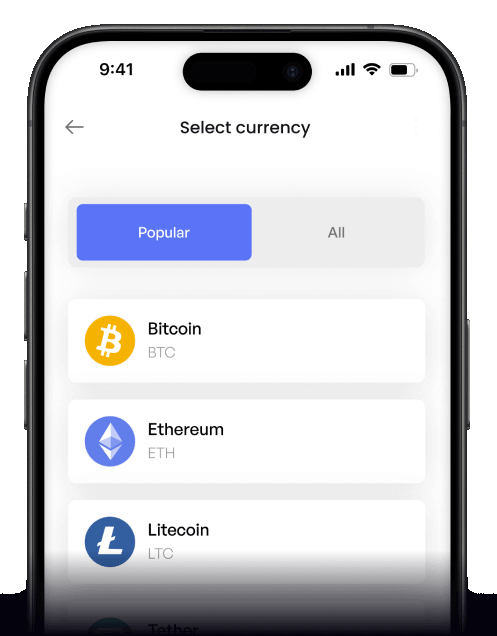
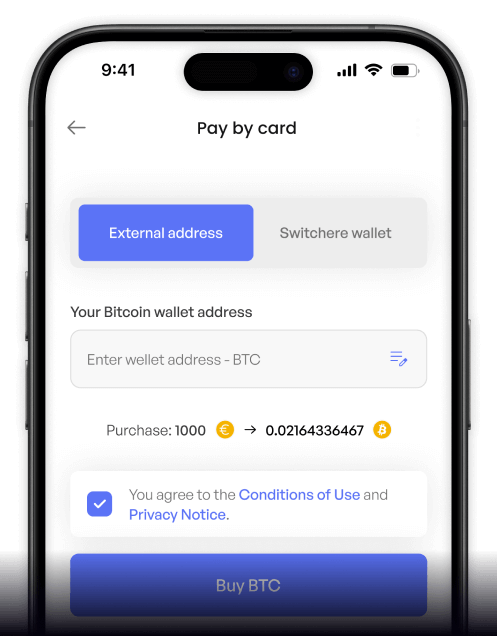
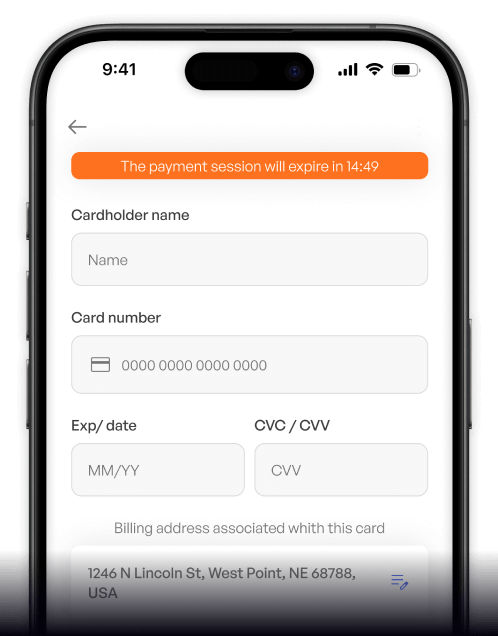
How to Buy UMA (UMA)
Popular Coins for Morocco Dirham (MAD)
Other Coins for Morocco Dirham (MAD)
Frequently asked questions
-
What are the common methods for purchasing UMA with Moroccan Dirham (MAD)?
Direct MAD/UMA trading pairs are rare. The most common route is using a P2P (peer-to-peer) platform or a cryptocurrency exchange that accepts Moroccan Dirham for an intermediary asset like USDT or BTC. You would first execute a MAD-to-USDT transaction, often via local bank transfer, and then use that stablecoin on the exchange's order book to acquire UMA. Always verify the platform's compliance with local Moroccan AML/CFT regulations. -
What is the core function of UMA's Optimistic Oracle in the DeFi ecosystem?
UMA's Optimistic Oracle is a system designed to bring real-world data onto the blockchain to enable the creation of priceless financial contracts and synthetic assets. It operates on a 'truthful unless disputed' principle. Data is proposed and assumed correct, but anyone can dispute it by staking UMA tokens. Disputes are resolved by UMA token holders through its Data Verification Mechanism (DVM), providing a decentralized and economically secure way to verify data without constant on-chain price feeds. -
What KYC/AML compliance should I expect when using Moroccan Dirham for a crypto purchase?
When using a centralized exchange or regulated P2P platform as a fiat on-ramp with MAD, you must complete a Know Your Customer (KYC) process. This typically involves submitting a government-issued ID (passport, national ID card) and proof of address. This is a standard procedure for AML (Anti-Money Laundering) and CFT (Combating the Financing of Terrorism) compliance, ensuring secure trading and helping prevent illicit activities in the digital asset space. -
Besides creating synthetic assets, what is the role of the UMA token within its ecosystem?
The UMA token is fundamental to the protocol's governance and security. Its primary roles are: 1) Governance, where token holders can vote on UMA Improvement Proposals (UMIPs) and system parameter changes. 2) Dispute Resolution, where holders use their tokens to vote on the outcome of data disputes within the Data Verification Mechanism (DVM). This active participation secures the oracle system, and voters are rewarded for correctly resolving disputes, creating an economic incentive for honest network participation. -
What are the liquidity and slippage risks when trading a MAD/UMA pair?
A direct MAD/UMA pair would likely have low liquidity, meaning there are fewer buyers and sellers on the order book. This can lead to higher slippage, where the price you execute a trade at is different from the price you expected. To mitigate this, traders often use the two-step process: converting MAD to a high-liquidity asset like USDT on a local P2P market, then trading the highly liquid USDT/UMA pair on a major exchange. This minimizes the price impact of your digital asset purchase.