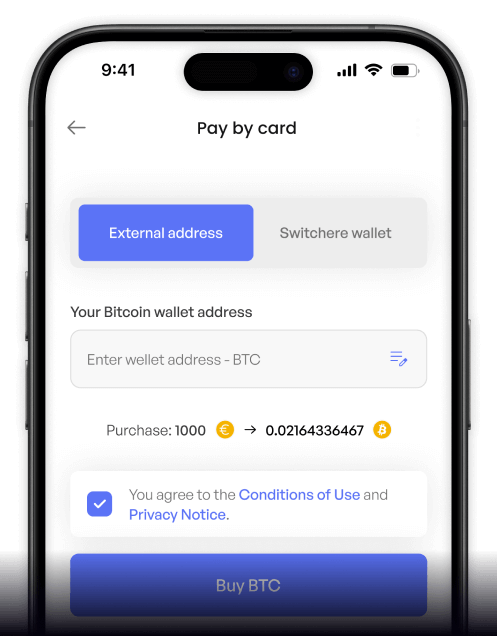
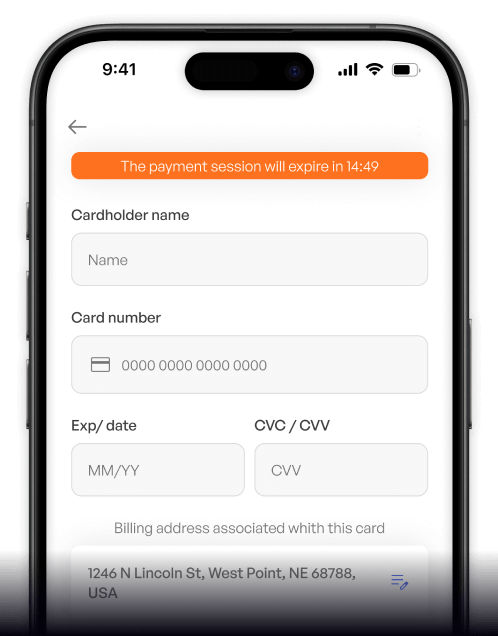
Purchase Cartesi (CTSI) with Morocco Dirham (MAD) easily at Switchere and benefit from fast, secure transactions.
Cartesi (CTSI) is a Layer-2 infrastructure platform designed to resolve the critical issue of computational scalability and high costs on blockchain networks. Often referred to as "The Blockchain OS," its primary objective is to enable decentralized applications (dApps) with complexities that rival their centralized Web2 counterparts. Cartesi achieves this by allowing developers to build smart contracts and dApps within a full Linux operating system environment, utilizing mainstream programming languages and software stacks. This approach significantly lowers the barrier to entry for developers transitioning from Web2 to Web3, fostering a richer and more powerful dApp ecosystem built on robust blockchain technology.
The core of the platform is the Cartesi Machine (CM), a deterministic virtual machine that executes intensive computations off-chain. By leveraging Optimistic Rollups, Cartesi can process these complex calculations externally while anchoring the results with cryptographic security on the underlying Layer-1 blockchain, such as Ethereum. This hybrid model provides the immense computational power of off-chain processing with the verifiable trust of an on-chain digital ledger. The native utility token, CTSI, is integral to the network's tokenomics. It is used for staking within Cartesi's Noether Proof-of-Stake (PoS) sidechain, where node runners help secure the network and earn rewards. CTSI also functions as the payment method for computation and data availability services within the ecosystem.
Direct MAD/CTSI trading pairs are rare. The most common method is to use a P2P platform or a cryptocurrency exchange that accepts MAD for a major digital asset like USDT or BTC. You would first perform a fiat on-ramp transaction from MAD to USDT, often via a local bank transfer, and then trade USDT for CTSI on the exchange's spot market. This two-step process offers better liquidity and more trading options.
Yes, any reputable platform facilitating the conversion of MAD to a digital asset will enforce strict Know Your Customer (KYC) and Anti-Money Laundering (AML) compliance. Users in Morocco will typically need to provide government-issued ID and possibly proof of address. These measures are standard for secure trading platforms to prevent illicit activities and comply with both local and international financial regulations.
When converting Moroccan Dirham to Cartesi, anticipate several potential fees. First, there may be a deposit fee for your MAD fiat on-ramp, especially if using a card payment. Second, the exchange will charge a trading fee for the MAD/USDT and USDT/CTSI transactions. Finally, when you withdraw your CTSI to a secure digital wallet, you'll pay a network withdrawal fee, which can vary depending on blockchain congestion, especially since CTSI is primarily an ERC-20 token on Ethereum.
Cartesi is a Layer-2 scaling solution that allows developers to build decentralized applications (dApps) using mainstream software stacks. Its core innovation is the Cartesi Machine, a virtual machine that runs a full Linux OS. This means developers can code scalable smart contracts with familiar programming languages and tools, overcoming the computational limits of base-layer blockchains. The CTSI token is used for staking on its Noether PoS side-chain and for paying transaction fees within the ecosystem.
Cartesi leverages Optimistic Rollups to achieve massive scalability for dApps. This Layer-2 technology bundles thousands of transactions from the Cartesi side-chain into a single transaction settled on a base layer like Ethereum. This significantly reduces the data footprint on the main chain, leading to much lower gas fees and higher throughput for CTSI-related operations. It allows for complex, verifiable off-chain computation without sacrificing the security of the underlying blockchain.
For optimal security, you should transfer your CTSI from the cryptocurrency exchange to a self-custody digital wallet where you control the private keys. For significant amounts, a hardware wallet is the most secure option as it keeps your keys offline. Since CTSI is an ERC-20 token and also available on other chains like BNB Chain, ensure your wallet supports the specific blockchain network your tokens are on. Never share your private keys or seed phrase with anyone.