


Convert
Morocco Dirham (MAD) to Dai (DAI) Instantly


Purchase Dai (DAI) with Morocco Dirham (MAD) easily at Switchere and benefit from fast, secure transactions.
About
Dai (DAI)
DAI (DAI) stands as a pioneering decentralized stablecoin soft-pegged to the US Dollar, operating on the Ethereum blockchain as an ERC-20 token. Its primary purpose is to provide a censorship-resistant and transparent digital asset that maintains a stable value, offering a crucial building block for the decentralized finance (DeFi) ecosystem. Governed by the MakerDAO community through the MKR governance token, DAI's stability is achieved through a sophisticated system of over-collateralization. Users generate DAI by locking up approved crypto assets, such as ETH or WBTC, into smart contracts known as Maker Vaults (formerly Collateralized Debt Positions or CDPs). This process ensures that every DAI in circulation is backed by a greater value of collateral, mitigating volatility risks.
The core technology relies on Ethereum's smart contract capabilities to manage these Vaults, automate liquidations if collateral value drops below a certain threshold, and maintain the peg through various stability mechanisms, including Stability Fees and the Dai Savings Rate (DSR). The DSR allows DAI holders to earn yield on their holdings directly on-chain. DAI's utility token function is primarily as a stable medium of exchange, a unit of account, and a store of value within countless DeFi applications, including lending protocols, decentralized exchanges, and yield farming strategies. As one of the most widely integrated crypto-backed stablecoins, DAI is a foundational element of Web3 infrastructure, enabling peer-to-peer transactions and complex financial instruments without reliance on traditional intermediaries.
How to Buy Dai (DAI)
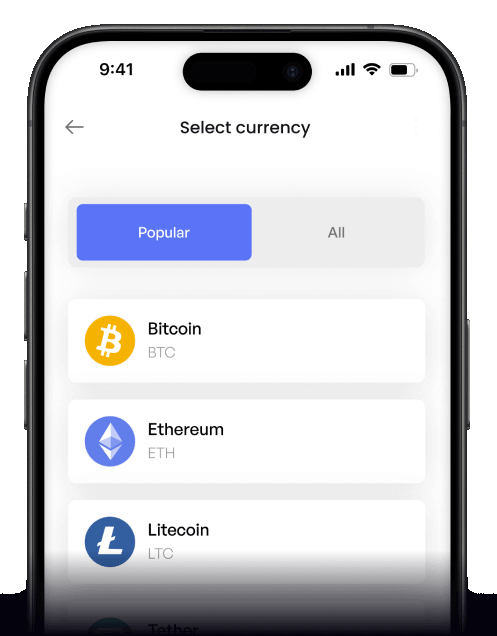
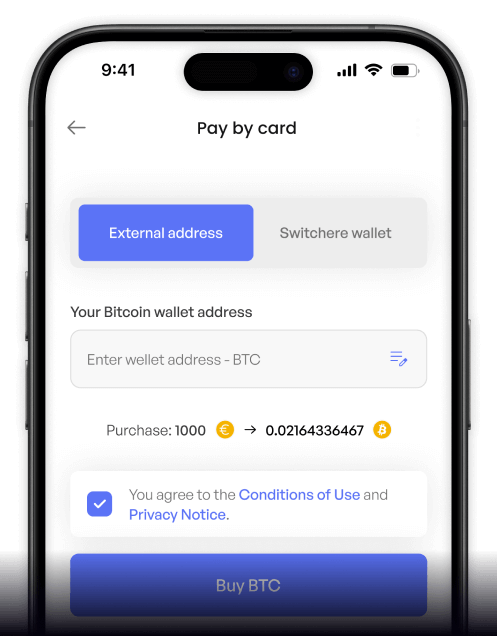
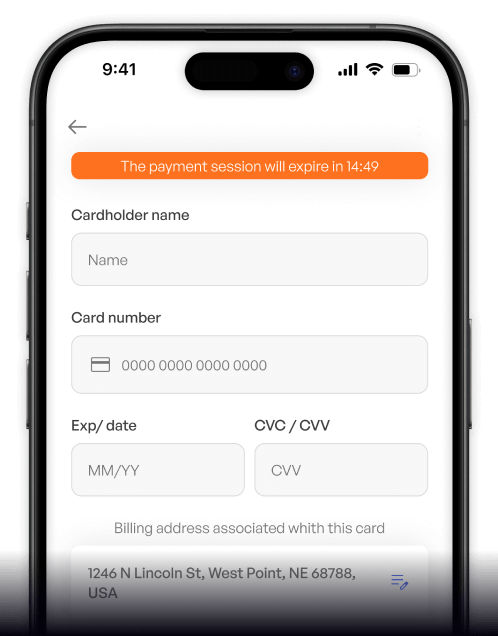
 Step-by-step guidance
 Easy credit card payments
 Streamlined purchase process
 Web
Web
Popular Coins for Morocco Dirham (MAD)




Other Coins for Morocco Dirham (MAD)




Frequently asked questions
-
What is the MAD/DAI trading pair and its significance for users in Morocco?
The MAD/DAI pair represents the direct exchange rate between the Moroccan Dirham (MAD) and Dai (DAI), a decentralized stablecoin pegged to the U.S. Dollar. Its significance lies in providing a fiat on-ramp for Moroccan users to acquire a stable, crypto-collateralized digital asset. This allows them to enter the DeFi ecosystem and hedge against the volatility of other cryptocurrencies, all powered by the MakerDAO protocol's smart contracts. -
What is the typical process to buy DAI with MAD on a cryptocurrency exchange?
To buy DAI with MAD, you first need to find a reputable cryptocurrency exchange that supports MAD deposits. The process involves creating an account, completing KYC/AML compliance checks, and then depositing Moroccan Dirhams via supported methods like a local bank transfer. Once your fiat account is funded, you navigate to the MAD/DAI trading pair, place a buy order on the order book, and upon execution, the DAI is credited to your exchange's digital wallet. -
What are the core benefits of holding DAI acquired with MAD versus holding MAD in a bank?
Holding DAI provides exposure to a USD-pegged digital asset, offering a potential hedge against local currency fluctuations. As an ERC-20 token, DAI is globally accessible and programmable, allowing participation in DeFi applications like lending or earning yield through mechanisms such as the Dai Savings Rate (DSR). Unlike bank-held MAD, DAI is a self-custodial asset, giving the owner full control over their funds in a non-custodial wallet. -
Are there specific blockchain transaction fees to consider when moving DAI purchased with MAD?
Yes. While the MAD-to-DAI trade on an exchange has its own fee, moving your DAI off the exchange to a private digital wallet incurs a blockchain network fee, known as a 'gas fee'. Since DAI is predominantly an ERC-20 token on the Ethereum network, this fee is paid in ETH and can vary based on network congestion. Some exchanges may also offer DAI on Layer-2 solutions, which have significantly lower blockchain transaction fees. -
How does the decentralized nature of DAI differ from a centralized, bank-issued digital currency when acquired with MAD?
When you buy DAI with MAD, you are acquiring an asset governed by the decentralized MakerDAO protocol, not a central authority. Its value is maintained by a system of crypto-collateralized loans within smart contracts, and its reserves are transparent on the blockchain. A bank-issued digital currency (CBDC) would be controlled by a central bank, with transactions potentially censorable and funds subject to seizure, whereas DAI offers censorship resistance and self-custody.

Buy on the go
Anywhere. Anytime.
Buy crypto with your credit card from anywhere. Live rates, transparent fees, and 3D Secure on every order - the full Switchere card-buy experience in your pocket.



Scan to download the app iOS and Android

