Convert
Morocco Dirham (MAD) to Liquity (LQTY) Instantly
Purchase Liquity (LQTY) with Morocco Dirham (MAD) easily at Switchere and benefit from fast, secure transactions.
About
Liquity (LQTY)
Liquity is a decentralized borrowing protocol built on the Ethereum blockchain that offers a unique approach to DeFi lending. Its core function is to allow users to draw interest-free loans against their Ether (ETH) collateral. These loans are paid out in LUSD, a fully redeemable, USD-pegged stablecoin. A primary innovation of this digital asset protocol is its exceptional capital efficiency, requiring a minimum collateral ratio of only 110%. This design makes it one of the most accessible on-chain borrowing solutions available within the decentralized finance ecosystem, directly addressing the issue of over-collateralization common in other platforms.
The system’s architecture is rooted in true decentralization. Liquity’s smart contracts are immutable and the protocol operates without any form of governance, minimizing human intervention and creating a more predictable financial instrument. Its robust liquidation mechanism is managed algorithmically and supported by a Stability Pool, where LUSD holders can deposit their tokens to participate in liquidating under-collateralized positions, known as Troves. The native utility token, LQTY, is not a governance token. Instead, its primary function is for staking. By staking LQTY, holders earn a share of the protocol fees generated from LUSD issuance and redemptions, providing a direct revenue stream from the protocol's core operations.
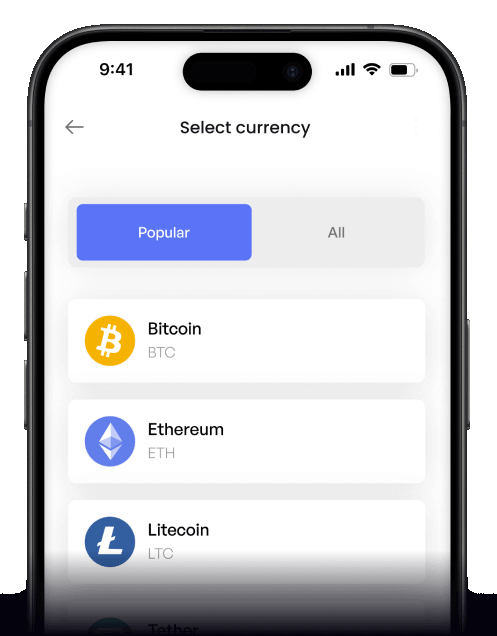
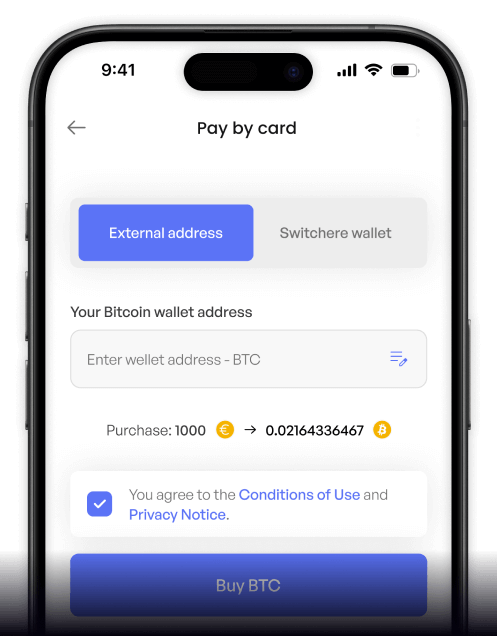
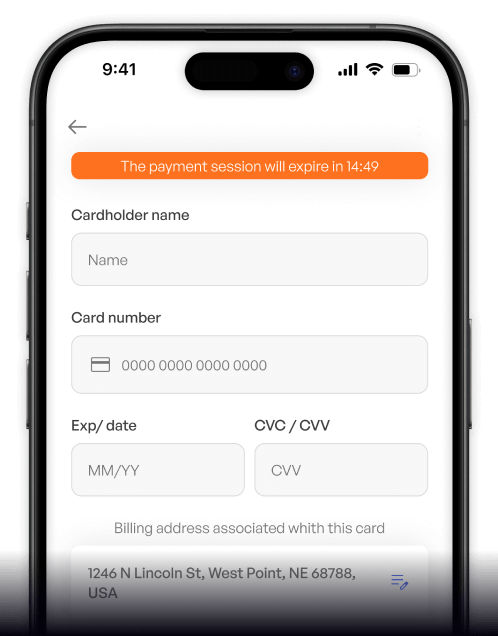
How to Buy Liquity (LQTY)
Popular Coins for Morocco Dirham (MAD)
Other Coins for Morocco Dirham (MAD)
Frequently asked questions
-
What exactly is the MAD/LQTY trading pair and what does it represent?
The MAD/LQTY pair represents the exchange rate between the Moroccan Dirham (MAD) and the Liquity protocol's secondary token, LQTY. Purchasing LQTY with MAD means you are acquiring a stake in the Liquity protocol, a decentralized borrowing system on Ethereum. LQTY holders can stake their tokens to earn a portion of the protocol's fees, which are generated from the issuance of the LUSD stablecoin against ETH collateral. -
What is the typical process for buying LQTY with Moroccan Dirham?
Directly purchasing LQTY with MAD on a single platform is rare. The common method is a two-step process. First, use a fiat on-ramp or a P2P exchange that accepts Moroccan bank transfers to buy a major cryptocurrency like USDT or ETH. Second, transfer that digital asset to a centralized or decentralized exchange (DEX) that lists the LQTY token and execute the trade. This process requires managing a digital wallet and understanding blockchain transactions. -
What is the primary utility of staking LQTY tokens obtained via a MAD transaction?
The primary utility of staking LQTY is to earn protocol revenue. The Liquity protocol charges fees for borrowing LUSD (issuance fee) and for redeeming LUSD for ETH (redemption fee). These fees are distributed proportionally to all LQTY stakers. Therefore, by staking your LQTY, you are earning a yield derived directly from the economic activity of this interest-free borrowing protocol, creating a direct link between protocol usage and token holder rewards. -
What are the key risks associated with the Liquity protocol when holding LQTY?
Holding LQTY involves several DeFi-specific risks. The primary ones are smart contract risk (potential bugs in the protocol's code), and market risk related to the value of ETH collateral. A sharp drop in ETH's price could trigger mass liquidations of Troves (collateralized debt positions), impacting protocol activity. Additionally, since LQTY's value is tied to fee generation, a decline in LUSD adoption or borrowing activity would negatively affect staking rewards and demand for the token. -
How do Moroccan regulations affect the process of converting MAD to LQTY?
Morocco has a restrictive stance on cryptocurrency. Any local fiat on-ramp service used to convert MAD to a base crypto asset (like ETH or USDT) will operate under strict KYC/AML compliance rules. This means you will need to verify your identity. Furthermore, capital controls may limit the amount of MAD you can convert. It's crucial to use reputable platforms that are compliant with local financial regulations to mitigate risks associated with the initial fiat-to-crypto conversion step.