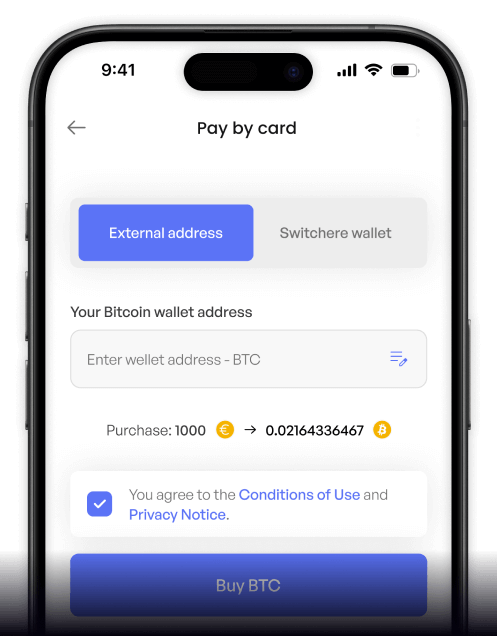
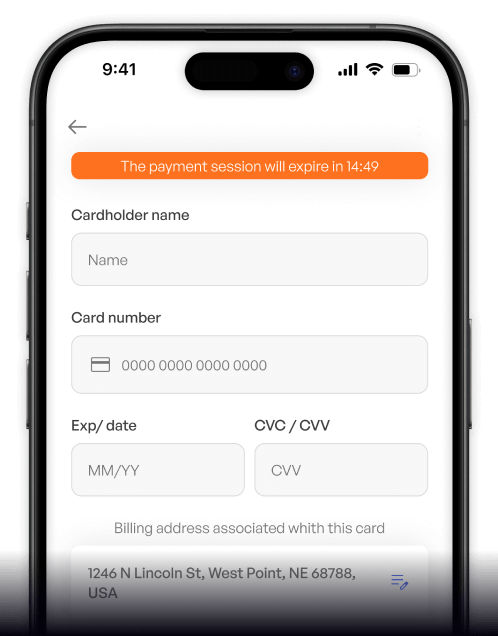
Purchase Open Campus (EDU) with Morocco Dirham (MAD) easily at Switchere and benefit from fast, secure transactions.
Open Campus (EDU) is a pioneering Web3 education protocol designed to fundamentally reshape the global learning landscape by decentralizing control and returning value to educators and learners. Operating on the BNB Chain, this decentralized network tackles inefficiencies in the traditional education system by empowering content creators to tokenize their intellectual property. The core of its infrastructure involves Publisher NFTs, which are smart contracts that represent ownership and revenue-sharing rights for educational content. This blockchain technology enables a transparent and equitable system where educators can directly monetize their materials and co-own the content they create, fostering a more collaborative and innovative digital asset ecosystem for learning materials.
The EDU token is the native utility and governance token that fuels the entire Open Campus ecosystem. Its tokenomics are designed for deep integration and functionality. As a utility token, EDU is used for payments, giving users access to exclusive content, courses, and other educational products offered through the protocol. Furthermore, as a governance token, holders can participate in on-chain voting, influencing key decisions regarding the platform's development and treasury allocation. This community-led approach positions Open Campus as a key player in building a new, decentralized educational infrastructure, creating a global marketplace where knowledge itself becomes a verifiable and tradable digital asset on a public ledger.
Since direct MAD/EDU trading pairs are rare, the most common fiat on-ramp involves a multi-step process. Typically, users in Morocco use a P2P marketplace or a local exchange to buy a stablecoin like USDT with MAD via a Moroccan bank transfer. Afterward, they transfer this digital asset to a major cryptocurrency exchange where they can trade USDT for Open Campus (EDU) on its respective order book.
Yes, any platform that functions as a fiat gateway to convert Moroccan Dirham (MAD) into a digital asset is subject to KYC/AML (Know Your Customer/Anti-Money Laundering) compliance. Users must typically provide government-issued identification and sometimes proof of address. This secure trading practice is standard for regulated exchanges to prevent illicit activities and comply with both local Moroccan and international financial regulations.
For optimal digital asset security, it is highly recommended to move your EDU tokens from the cryptocurrency exchange to a personal digital wallet where you control the private keys. For long-term holding, a hardware wallet (cold storage) offers the best protection against online threats. For frequent use within the Web3 education ecosystem, a reputable non-custodial software wallet (hot wallet) is a practical choice. Always back up your seed phrase securely offline.
The EDU token is central to the Open Campus ecosystem, a decentralized education platform. Its primary utilities include: governance, allowing token holders to vote on protocol upgrades; payments for accessing premium educational content and Publisher NFTs; and rewarding content creators and educators. This learn-to-earn model incentivizes participation and the creation of high-quality materials on the upcoming Layer 3, EDU Chain.
The total cost for a MAD to EDU conversion involves several fees. First, there might be a deposit fee for your Moroccan Dirham on the initial platform. Second, a trading fee is charged when you convert MAD to an intermediary asset like USDT, and another when you trade USDT for EDU. Finally, a network fee (gas fee) is required to withdraw the EDU tokens from the exchange to your personal digital wallet. This network fee varies based on the blockchain's congestion.
Publisher NFTs represent co-publishing rights for educational content within the Open Campus ecosystem. When content creators launch their material, they can mint these NFTs, allowing buyers to share in the revenue generated from that content. Transactions involving the minting and trading of these Publisher NFTs, as well as the distribution of revenue, are facilitated using the EDU token, deeply integrating it into the platform's content monetization and learn-to-earn mechanics.