


Convert
Morocco Dirham (MAD) to Lido DAO Token (LDO) Instantly


Purchase Lido DAO Token (LDO) with Morocco Dirham (MAD) easily at Switchere and benefit from fast, secure transactions.
About
Lido DAO Token (LDO)
Lido DAO (LDO) is a decentralized autonomous organization that provides a critical liquid staking solution for Proof-of-Stake (PoS) blockchain networks, most notably Ethereum, while also supporting others like Polygon and Solana. The protocol addresses the inherent illiquidity problem of traditional staking, where users' digital assets are typically locked and inaccessible for the duration of the staking period. By utilizing Lido's smart contracts, users can stake their PoS tokens and receive a corresponding liquid token—st[Asset] (e.g., stETH for Ethereum, stMATIC for Polygon)—representing their staked principal plus accrued staking rewards and consensus mechanism contributions. This innovation in blockchain technology allows for participation in network security without sacrificing capital mobility.
The core technology behind Lido ensures that these st[Asset] tokens remain liquid and can be freely traded, lent, or utilized as collateral across various DeFi applications. This enhances capital efficiency within the Web3 infrastructure, allowing stakers to simultaneously earn staking rewards and engage in other yield-generating opportunities. Lido's architecture relies on a distributed network of professional node operators to manage the underlying staked assets, with risks and rewards shared. The platform's parameters, upgrades, and operator selections are governed by the Lido DAO, ensuring a community-driven approach to its evolution and security within the decentralized network.
The LDO token is the native utility and governance token of the Lido DAO. Its primary function is to grant holders voting rights on crucial protocol decisions, such as adjusting fees, approving new node operators, allocating treasury funds, and implementing upgrades to the smart contract system. Through this on-chain governance model, LDO token holders actively shape the direction and risk parameters of this leading liquid staking protocol. Lido has become a foundational element for staking derivatives, significantly improving the tokenomics and user experience for participants in PoS ecosystems by unlocking liquidity from otherwise locked digital assets.

How to Buy Lido DAO Token (LDO)
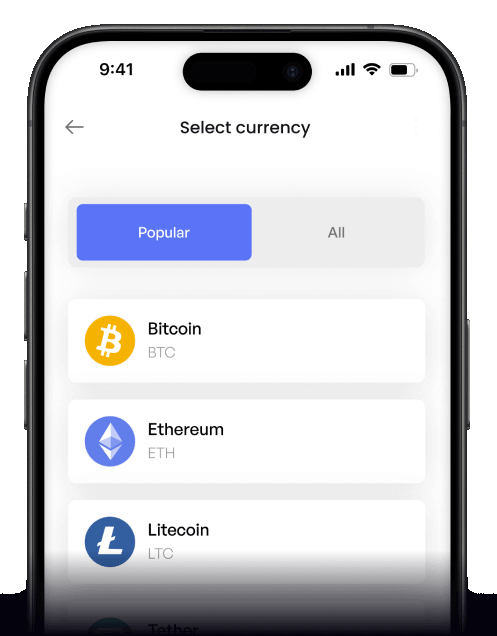
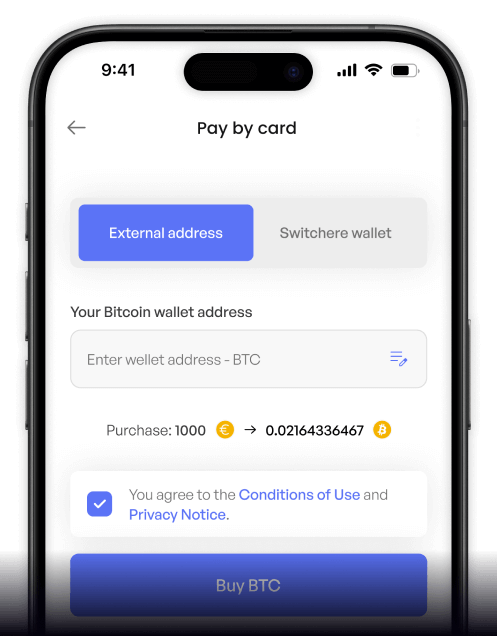
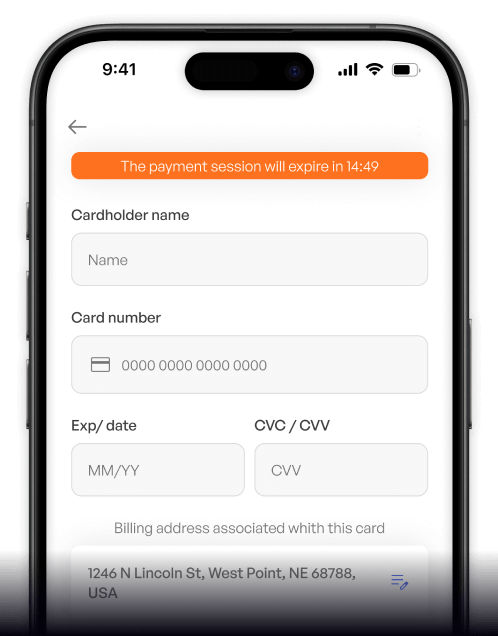
 Step-by-step guidance
 Easy credit card payments
 Streamlined purchase process
 Web
Web
Popular Coins for Morocco Dirham (MAD)




Other Coins for Morocco Dirham (MAD)





Frequently asked questions
-
What is the most common way to buy Lido DAO Token (LDO) with Moroccan Dirham (MAD)?
Direct MAD/LDO trading pairs are uncommon on most cryptocurrency exchanges. The standard method is a two-step process: first, use a fiat on-ramp that accepts MAD to purchase a widely traded digital asset like USDT or ETH. Second, transfer that asset to an exchange with high liquidity for LDO and execute a trade from USDT/LDO or ETH/LDO. This leverages deeper order books for a better price. -
What fundamental role does the LDO token play in the Lido liquid staking protocol?
LDO is the native governance token of the Lido DAO (Decentralized Autonomous Organization). Its primary function is to grant voting rights to holders, allowing them to participate in decisions about the protocol's future. This includes managing fees, upgrading smart contracts, and selecting node operators. Owning LDO enables participation in the governance of one of DeFi's most critical liquid staking solutions. -
What are the typical KYC/AML requirements when using Moroccan Dirham for a crypto purchase?
Any regulated fiat on-ramp or P2P platform facilitating MAD-to-crypto transactions will enforce Know Your Customer (KYC) and Anti-Money Laundering (AML) compliance. This typically involves submitting a government-issued ID, proof of address, and sometimes a selfie for verification. These measures are mandatory for financial security and to comply with regulations set by bodies like Bank Al-Maghrib. -
What types of fees should I anticipate when converting MAD to LDO?
Because this is a multi-step process, expect several potential fees. First, a deposit or payment processing fee for your MAD on the initial platform. Second, a trading fee for the MAD/USDT transaction. Third, a network withdrawal fee to move your USDT to the second exchange. Fourth, another trading fee for the USDT/LDO transaction. Finally, a withdrawal fee if you move your LDO to a secure, non-custodial digital wallet. -
How does using Lido for liquid staking differ from traditional ETH staking?
Traditional ETH staking requires locking 32 ETH, which becomes illiquid. Lido's liquid staking solution allows users to stake any amount of ETH and in return receive stETH, a tokenized staking derivative. This stETH represents their staked position but remains liquid and can be used across the DeFi ecosystem for lending, borrowing, or providing liquidity, all while still earning staking rewards.

Buy on the go
Anywhere. Anytime.
Buy crypto with your credit card from anywhere. Live rates, transparent fees, and 3D Secure on every order - the full Switchere card-buy experience in your pocket.



Scan to download the app iOS and Android

