Convert
Morocco Dirham (MAD) to CTC (CTC) Instantly
Purchase CTC (CTC) with Morocco Dirham (MAD) easily at Switchere and benefit from fast, secure transactions.
About
CTC (CTC)
Creditcoin (CTC) is a foundational blockchain technology designed to address a critical gap in the global financial system: the lack of a universal, transparent credit history. Its primary objective is to create a decentralized network for a borderless credit market, specifically targeting the unbanked and underbanked populations. By recording loan performance on a public digital ledger, Creditcoin provides a mechanism for individuals and businesses to build a verifiable, on-chain credit history. This digital asset aims to bridge the divide between traditional finance and DeFi applications, fostering greater financial inclusion by making credit more accessible and transparent across the globe through its innovative Web3 infrastructure.
The core of the Creditcoin protocol involves linking real-world, off-chain loan agreements to its immutable blockchain. This process creates objective proof of creditworthiness that is not controlled by any single entity. The native utility token, CTC, is integral to the ecosystem's operation. It is used to pay for transaction fees required to record credit transactions, such as loan requests and repayments, on the chain. Furthermore, CTC can be utilized for staking to enhance the cryptographic security of the network. This unique approach to integrating real-world assets (RWA) in the form of private credit establishes a foundational layer for on-chain reputation and new financial products.
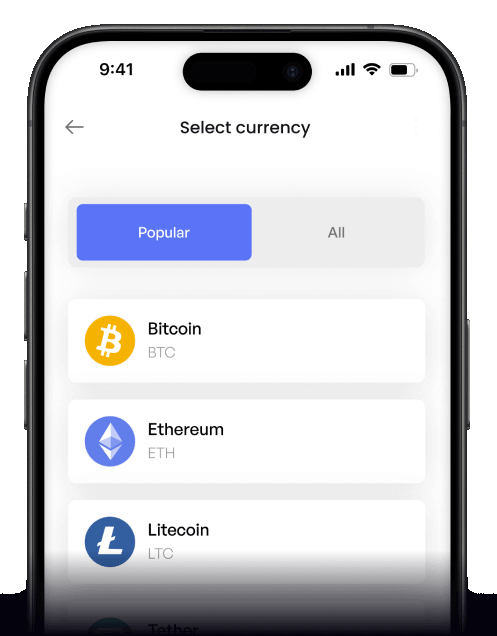
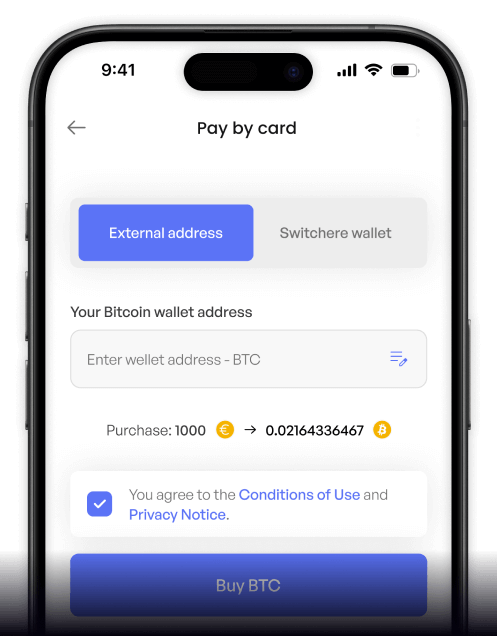
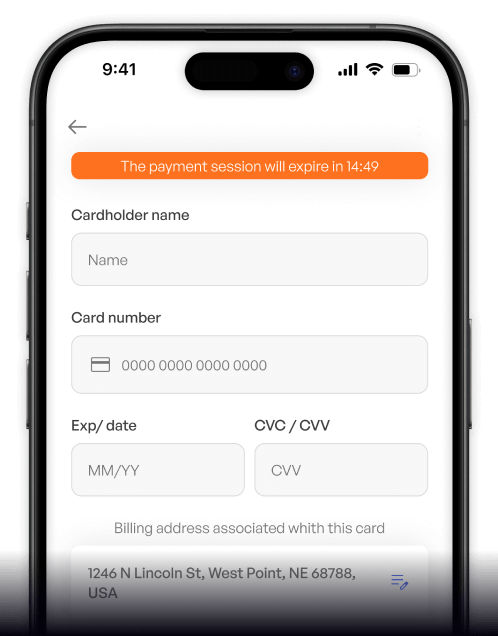
How to Buy CTC (CTC)
Popular Coins for Morocco Dirham (MAD)
Other Coins for Morocco Dirham (MAD)
Frequently asked questions
-
What is the most common way to buy Creditcoin (CTC) with Moroccan Dirham (MAD)?
A direct MAD/CTC trading pair is rare. The most common method involves a two-step process: first, use a P2P (peer-to-peer) platform or a local exchange to buy a major cryptocurrency like USDT or BTC with MAD via bank transfer. Second, transfer that digital asset to a global cryptocurrency exchange that lists CTC and trade it for Creditcoin. This process serves as a fiat on-ramp into the Creditcoin network. -
What is the core utility of the CTC token within the Creditcoin blockchain?
The CTC token is essential for the operation of the Creditcoin network, a public blockchain designed to create a global credit system. Its primary utility is to record credit transaction histories, effectively bringing real-world assets (RWA) in the form of loan performance onto the blockchain. This system aims to provide financial inclusion for the unbanked by creating a transparent and immutable credit ledger, secured by its Proof-of-Work (PoW) consensus mechanism. -
What are the potential fees when converting MAD to CTC?
Since the process involves multiple steps, you can expect several types of fees. First, when buying a base crypto with MAD on a P2P platform, there might be a spread in the exchange rate set by the seller. Second, a network fee is required to transfer the purchased crypto (e.g., USDT) to the exchange where CTC is traded. Third, the exchange will charge a trading fee for the USDT-to-CTC transaction. Finally, there's a withdrawal fee to move your CTC from the exchange to a secure digital wallet. -
Do I need to complete KYC/AML to trade between MAD and CTC?
Yes, it's almost certain. Most reputable cryptocurrency exchanges and many P2P platforms that facilitate fiat-to-crypto trades require users to complete Know Your Customer (KYC) and Anti-Money Laundering (AML) verification. This involves submitting identification documents. This compliance is crucial for secure trading and helps prevent illicit activities on these platforms. -
What is the role of Gluwa in the Creditcoin ecosystem?
Gluwa is a key partner and contributor to the Creditcoin network. It's a suite of financial applications that utilizes the Creditcoin blockchain to facilitate borderless financial services. Gluwa's technology, including its non-custodial digital wallet and stablecoins, helps bridge traditional finance with decentralized finance (DeFi), enabling services like lending and credit recording for the unbanked, which are then immutably recorded on the Creditcoin blockchain.