Convert
Morocco Dirham (MAD) to Hedera Hashgraph (HBAR) Instantly
Purchase Hedera Hashgraph (HBAR) with Morocco Dirham (MAD) easily at Switchere and benefit from fast, secure transactions.
About
Hedera Hashgraph (HBAR)
Hedera is a public distributed ledger that utilizes a unique consensus mechanism known as Hashgraph, presenting a distinct alternative to traditional blockchain technology. This enterprise-grade network is specifically engineered to address scalability and performance bottlenecks. At its core is the Directed Acyclic Graph (DAG) architecture, secured by the asynchronous Byzantine Fault Tolerance (aBFT) algorithm. This foundation, powered by a gossip-about-gossip protocol and virtual voting, enables extremely high throughput with thousands of transactions per second, low-latency finality, and mathematically proven fair ordering of transactions, all while maintaining low, fixed fees and remarkable energy efficiency. The network's governance is overseen by the Hedera Governing Council, a body of leading global organizations. Hedera offers a suite of services, including the Hedera Consensus Service (HCS) for verifiable event logging and the Hedera Token Service (HTS) for native token issuance, alongside EVM-compatible smart contracts. The native digital asset, HBAR, is the fuel of the ecosystem. This utility token is used to pay for network transaction fees, secure the network via proxy staking, and facilitate a wide range of Web3 applications and DeFi protocols built on its robust infrastructure.
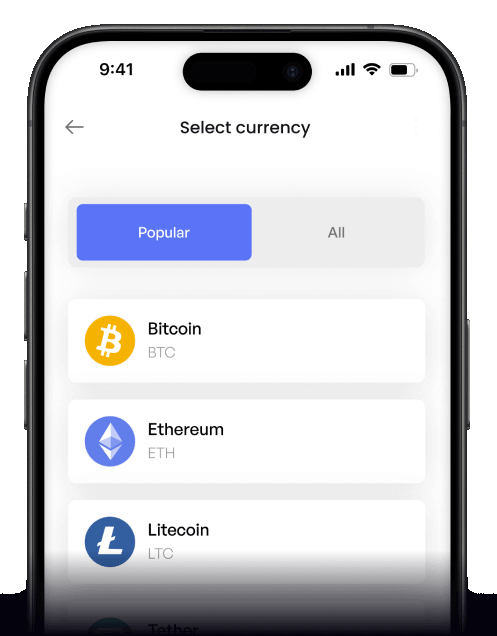
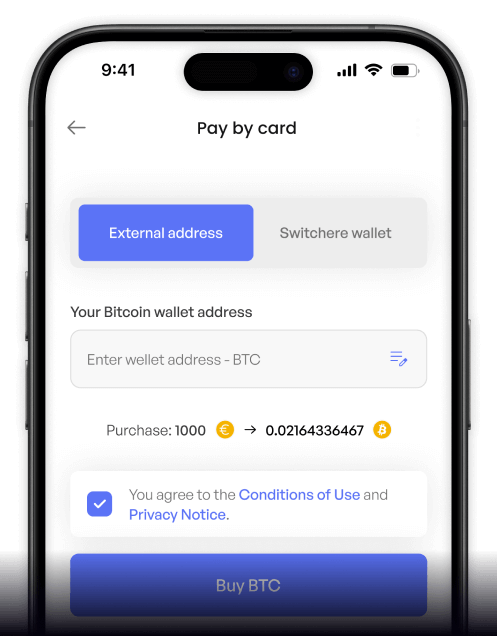
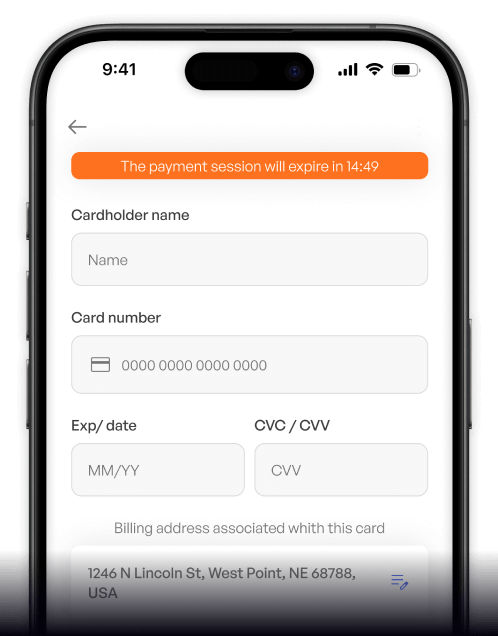
How to Buy Hedera Hashgraph (HBAR)
Popular Coins for Morocco Dirham (MAD)
Other Coins for Morocco Dirham (MAD)
Frequently asked questions
-
What is the MAD/HBAR trading pair and why is it important?
The MAD/HBAR pair represents the exchange rate between the Moroccan Dirham (MAD) and Hedera's native digital asset, HBAR. Its importance lies in providing a potential fiat on-ramp for users in Morocco to access the Hedera network, an enterprise-grade distributed ledger that utilizes a unique hashgraph consensus mechanism instead of a traditional blockchain. Acquiring HBAR is essential for paying transaction fees, securing the network through staking, and interacting with services like the Hedera Token Service (HTS). -
What is the most common way to buy HBAR with Moroccan Dirham (MAD)?
Direct MAD/HBAR trading pairs are rare on major cryptocurrency exchanges. The most common method involves a multi-step process: 1) Use a peer-to-peer (P2P) platform that supports MAD to buy a major cryptocurrency like Bitcoin (BTC) or a stablecoin like USDT. 2) Transfer that digital asset to a global exchange with high liquidity for HBAR. 3) Trade the BTC or USDT for HBAR. This process requires KYC/AML compliance on both platforms but allows access to better liquidity and pricing. -
What technical advantages does Hedera's hashgraph offer over traditional blockchains?
Hedera's hashgraph consensus is not a blockchain but a Directed Acyclic Graph (DAG) that offers significant performance benefits. It achieves asynchronous Byzantine Fault Tolerance (aBFT), the highest level of security for a DLT. This results in incredibly high throughput (thousands of transactions per second), low-latency finality (3-5 seconds), and stable, low-cost transaction fees. Its governance by a council of world-leading organizations further enhances its stability and appeal for enterprise-grade decentralized applications (dApps). -
What type of digital wallet is needed to store HBAR tokens securely?
To securely store HBAR, you need a wallet specifically compatible with the Hedera network, as it is not an EVM-compatible chain like Ethereum. Popular choices include software wallets like HashPack and Blade Wallet, which offer browser extensions and mobile apps. For maximum security, hardware wallets such as Ledger are highly recommended. Using a self-custodial wallet ensures you control your private keys, which is crucial for asset security and for participating in network activities like staking. -
What are the typical fees associated with converting MAD to HBAR?
Converting MAD to HBAR typically involves several fee types. First, P2P platforms may have transaction fees or the seller's rate might include a premium. Second, when you move the intermediate asset (e.g., USDT) to a global exchange, you'll pay a network fee. Third, the exchange will charge a trading fee (maker/taker fee) for the USDT/HBAR trade. Finally, withdrawing HBAR to your personal wallet incurs a very small Hedera network fee, which is a key advantage of the network—these fees are stable and typically fractions of a US cent.