


Convert
Morocco Dirham (MAD) to dYdX (DYDX) Instantly


Purchase dYdX (DYDX) with Morocco Dirham (MAD) easily at Switchere and benefit from fast, secure transactions.
About
dYdX (DYDX)
dYdX (DYDX) is a pioneering decentralized derivatives exchange, offering advanced trading features like perpetual contracts, margin trading, and leveraged trading for a wide range of digital assets. Its primary purpose is to provide a high-performance, secure, and non-custodial platform for sophisticated financial instruments within the decentralized finance (DeFi) ecosystem. Initially leveraging StarkEx, a Layer 2 scaling solution from StarkWare, for its off-chain order book and on-chain settlement model to achieve scalability and low transaction fees on Ethereum, dYdX has evolved. The platform's latest iteration, dYdX v4, is built as a standalone blockchain using the Cosmos SDK, aiming for greater decentralization and order book control.
The DYDX token is the native utility and governance token of the dYdX protocol. Token holders can participate in on-chain governance, influencing the future development and parameters of the platform. DYDX also plays a crucial role in the platform's tokenomics, offering trading fee discounts and potentially staking rewards within its safety module, which helps secure the protocol. As a key player in the DeFi derivatives market, dYdX provides essential Web3 infrastructure for traders seeking transparent and efficient access to sophisticated financial products without relying on centralized intermediaries, pushing the boundaries of what's possible with blockchain technology and decentralized networks for derivatives.

How to Buy dYdX (DYDX)
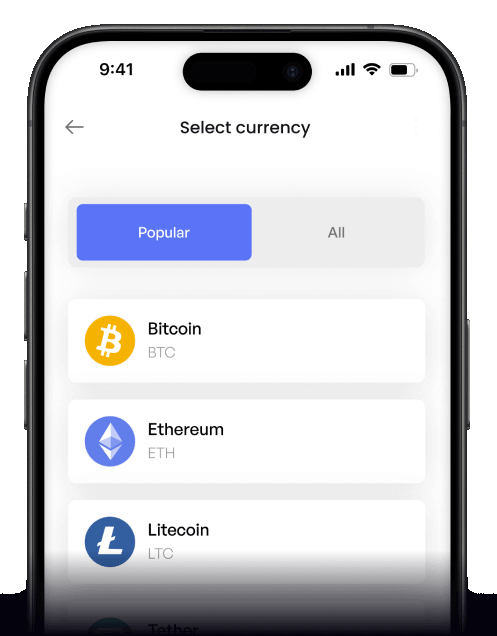
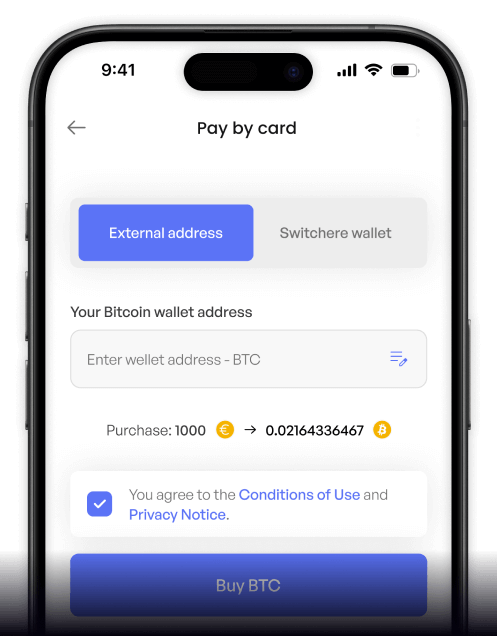
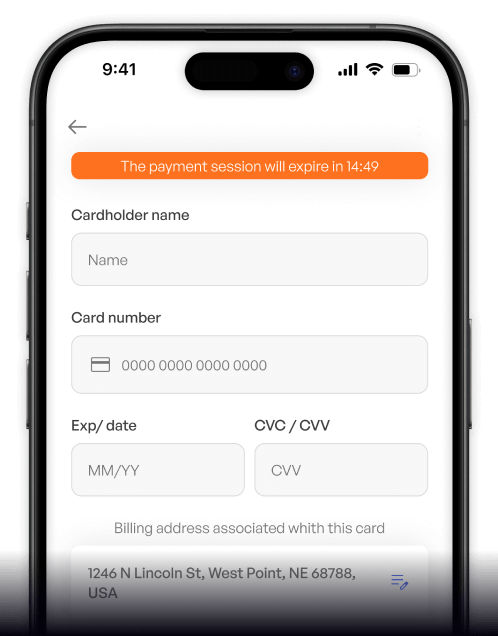
 Step-by-step guidance
 Easy credit card payments
 Streamlined purchase process
 Web
Web
Popular Coins for Morocco Dirham (MAD)




Other Coins for Morocco Dirham (MAD)




Frequently asked questions
-
What is the most effective method to acquire dYdX (DYDX) using Moroccan Dirham (MAD)?
A direct MAD/DYDX trading pair is uncommon. The standard approach is a two-step process: first, use a local Moroccan fiat on-ramp or P2P platform that accepts MAD bank transfers to buy a liquid cryptocurrency like USDT or BTC. Second, transfer this digital asset to a global exchange or the dYdX decentralized exchange itself where you can trade it for the DYDX governance token. -
What makes the DYDX token significant in the decentralized finance (DeFi) ecosystem?
DYDX is the native governance token for the dYdX protocol, a leading order book decentralized exchange (DEX) for perpetual contracts. Its significance comes from enabling community governance, where holders vote on protocol upgrades. The platform utilizes a Layer-2 scaling solution (StarkWare) for high-speed, low-cost trades, and the token is integral to its staking pools which enhance protocol security and reward participants. -
Are direct MAD/DYDX order books available on major cryptocurrency exchanges?
Currently, direct MAD/DYDX order books are virtually non-existent on major global exchanges. This is due to the lower trading volume and liquidity of the Moroccan Dirham in the global crypto market. Traders must typically convert MAD into a major fiat currency (like USD/EUR) or a widely-used stablecoin (like USDT) as an intermediary step before trading for DYDX. -
What security measures are crucial when converting MAD to DYDX?
When undertaking the multi-step process, prioritize using reputable platforms with strong KYC/AML compliance for the initial MAD to crypto purchase. Always double-check the blockchain address before transferring assets between exchanges. For final trading on a DEX like dYdX, ensure you are on the official website to avoid phishing, and secure your self-custody digital wallet with a hardware wallet for maximum protection against online threats. -
What utility does holding the DYDX token provide within its ecosystem?
The DYDX token serves two primary functions. First, it's a governance token, granting holders the right to propose and vote on changes to the dYdX protocol, influencing its future development. Second, it can be staked in the protocol's Safety and Liquidity pools. Staking contributes to the platform's security and liquidity, and in return, stakers can earn trading rewards and a portion of the protocol's fee revenue.

Buy on the go
Anywhere. Anytime.
Buy crypto with your credit card from anywhere. Live rates, transparent fees, and 3D Secure on every order - the full Switchere card-buy experience in your pocket.



Scan to download the app iOS and Android

