


- Startpagina
- Omvormer
- Morocco Dirham (MAD) naar Litecoin (LTC)

Converteer
Morocco Dirham (MAD) naar Litecoin (LTC) direct


Koop Litecoin (LTC) met Morocco Dirham (MAD) gemakkelijk bij Switchere en profiteer van snelle, veilige transacties.
Over
Litecoin (LTC)
Litecoin (LTC) is een van de vroegste en meest gevestigde cryptocurrencies, vaak aangeduid als het 'zilver voor het goud van Bitcoin'. Het werd in 2011 gelanceerd als een fork van de Bitcoin Core-client en had als hoofddoel een snellere en lichtere versie van Bitcoin te maken, geschikt voor alledaagse transacties. Deze digitale bron werkt op een gedecentraliseerd netwerk met een Proof-of-Work (PoW) consensusmechanisme, maar onderscheidt zich met het hashingalgoritme Scrypt. Deze keuze was aanvankelijk bedoeld om CPU en GPU miners in staat te stellen effectiever deel te nemen, hoewel gespecialiseerde Scrypt ASIC's sindsdien dominant zijn geworden voor het delven van deze cryptografisch beveiligde munt.
Belangrijke onderscheidende kenmerken van Litecoin zijn onder andere de snellere blokgeneratietijd, ongeveer 2,5 minuten in vergelijking met de 10 minuten van Bitcoin, wat leidt tot snellere transactiebevestigingen. Het LTC-token dient als de eigen valuta voor het betalen van transactiekosten op de blockchaintechnologie en wordt algemeen geaccepteerd als ruilmiddel en als opslagplaats van waarde. Litecoin is van oudsher een pionier in het gebruik van nieuwe technologieën, zoals Segregated Witness (SegWit), dat de doorvoer van transacties verbetert, en meer recent, de MimbleWimble Extension Blocks (MWEB) upgrade, die gebruikers opt-in privacy en verbeterde fungibiliteit voor on-chain transacties biedt. De lange levensduur en consistente ontwikkeling hebben de positie van Litecoin als een belangrijke en betrouwbare peer-to-peer digitale valuta binnen de bredere Web3-infrastructuur en het ecosysteem van het digitale grootboek verstevigd.
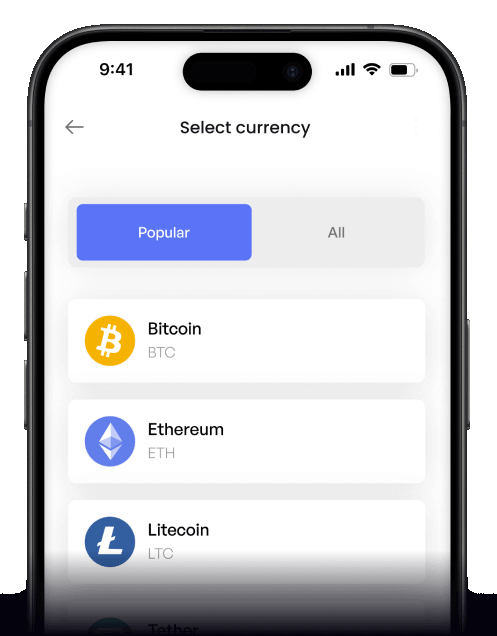
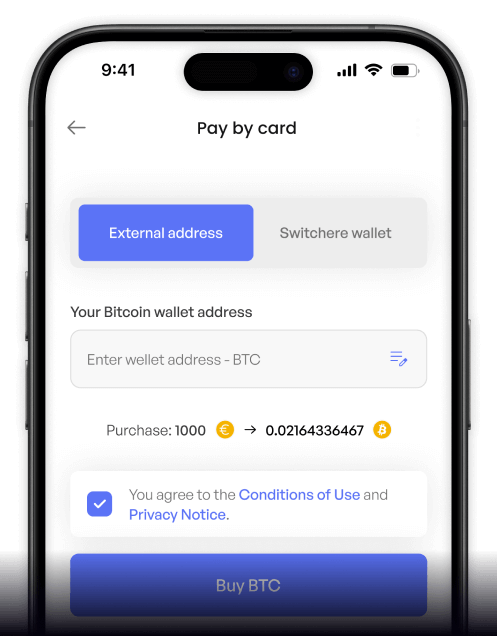
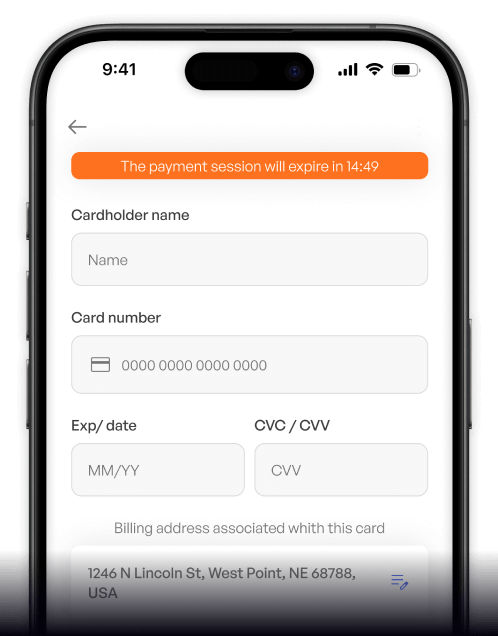
Hoe Litecoin (LTC) kopen
 Stapsgewijze begeleiding
 Eenvoudige creditcardbetalingen
 Gestroomlijnd aankoopproces
 Web
Web
Populaire munten voor Morocco Dirham (MAD)




Andere munten voor Morocco Dirham (MAD)




Veelgestelde vragen
-
Wat is de meest gebruikelijke methode om Litecoin (LTC) te kopen met Marokkaanse Dirham (MAD)?
Vanwege lokale bankregelgeving is de meest voorkomende fiat on-ramp voor MAD naar LTC via peer-to-peer (P2P) handelsplatformen. Deze platformen verbinden Marokkaanse kopers rechtstreeks met LTC-verkopers, waarbij vaak lokale bankoverschrijvingen worden gebruikt om het MAD-gedeelte van de transactie af te wikkelen. Gebruikers moeten prioriteit geven aan platforms met robuuste escrow-diensten en eventuele vereiste KYC/AML-nalevingscontroles voltooien voor veilige handel. -
Hoe profiteert een MAD naar LTC blockchain-transactie van het Scrypt-algoritme van Litecoin?
Het Scrypt proof-of-work-algoritme van Litecoin maakt een snellere blokgeneratietijd van ongeveer 2,5 minuten mogelijk, vergeleken met de 10 minuten van Bitcoin. Voor een gebruiker die MAD omzet in LTC, betekent dit dat zodra de fiat-transactie is voltooid, de daaropvolgende blockchain-transactie voor het digitale activum veel sneller op het netwerk wordt bevestigd, waardoor LTC een efficiëntere keuze is voor tijdgevoelige betalingen. -
Wat zijn de voordelen van het gebruik van MimbleWimble Extension Blocks (MWEB) na het kopen van LTC met MAD?
MimbleWimble Extension Blocks (MWEB) is een opt-in privacyfunctie op het Litecoin-netwerk. Hoewel uw initiële aankoop van MAD naar LTC op een beurs wordt geregistreerd, kunt u uw LTC vervolgens verplaatsen naar de MWEB-ruimte binnen uw digitale portemonnee. Dit maakt vertrouwelijke transacties mogelijk waarbij het bedrag en de adressen worden verborgen, wat de fungibiliteit en privacy van uw digitale activa aanzienlijk verbetert. -
Wat voor soort kosten kan ik verwachten bij het omwisselen van Marokkaanse Dirham naar Litecoin?
Bij het verhandelen van MAD voor LTC vallen de kosten doorgaans in drie categorieën. Ten eerste kan het P2P-platform kleine handelskosten in rekening brengen. Ten tweede kan uw Marokkaanse bank kosten in rekening brengen voor de lokale overschrijving. Ten derde zijn er de Litecoin-netwerkkosten voor het verplaatsen van de LTC van de portemonnee van de verkoper naar die van u. Deze Litecoin-transactiekosten zijn kenmerkend zeer laag, wat het gebruik ervan als een efficiënt betalingsnetwerk versterkt. -
Waarom wordt Litecoin vaak omschreven als 'zilver ten opzichte van het goud van Bitcoin' in de context van MAD-transacties?
Deze analogie benadrukt hun verschillende primaire gebruiksscenario's. Bitcoin wordt vaak gezien als een digitale waardeopslag ('digitaal goud'). Litecoin, met zijn snellere blokgeneratie en lagere transactiekosten, is ontworpen om geschikter te zijn voor dagelijkse handel en kleinere betalingen. Voor een MAD-houder betekent dit dat LTC een praktischer digitaal activum kan zijn voor transactionele doeleinden dan voor langdurige opslag van grote waarde.

Onderweg kopen
Overal. Altijd.
Koop overal crypto met je creditcard. Actuele koersen, transparante kosten en 3D Secure bij elke bestelling – de volledige Switchere-ervaring voor het kopen met een creditcard, altijd bij de hand.



Scan de QR-code om de app te downloaden voor iOS en Android

