


Convert
Morocco Dirham (MAD) to SKALE Network (SKL) Instantly


Purchase SKALE Network (SKL) with Morocco Dirham (MAD) easily at Switchere and benefit from fast, secure transactions.
About
SKALE Network (SKL)
SKALE Network (SKL) is a decentralized, elastic blockchain network designed to significantly enhance the scalability and user experience of Ethereum-based decentralized applications (dApps). It operates as a multichain network of interconnected, application-specific sidechains known as SKALE Chains. These chains offer high throughput, near-instant finality, and, critically, zero gas fees for end-users, addressing major bottlenecks on the Ethereum mainnet. SKALE achieves this through a pooled security model, leveraging a large set of validator nodes that run SKALE Chains using containerization technology and a variant of Asynchronous Binary Byzantine Agreement (ABBA) for its consensus mechanism.
The native utility token, SKL, is an ERC-777 token crucial for the network's operation and security. Its primary functions include staking by validators to secure the network and earn rewards, delegation by token holders to validators, and payment for SKALE Chain subscriptions by developers. SKL also facilitates on-chain governance, allowing token holders to vote on protocol parameters. SKALE's architecture provides EVM compatibility, enabling seamless migration of Ethereum dApps. By offering a configurable and cost-effective Web3 infrastructure, SKALE Network positions itself as a key layer-2 scaling solution, fostering growth in DeFi applications, blockchain gaming, and NFT marketplaces seeking robust performance and an improved digital asset experience without the burden of unpredictable transaction costs.

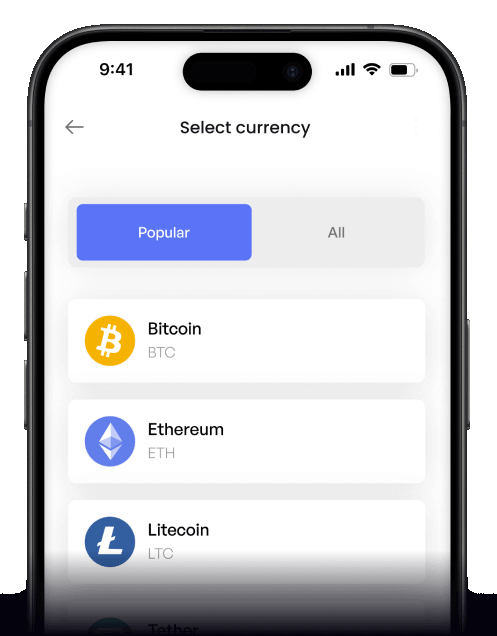
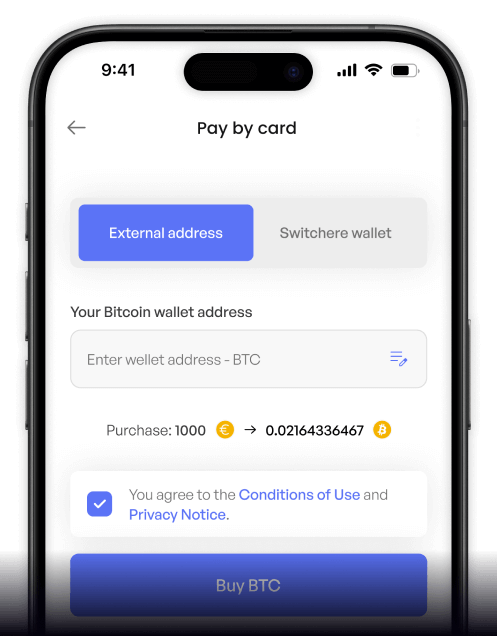
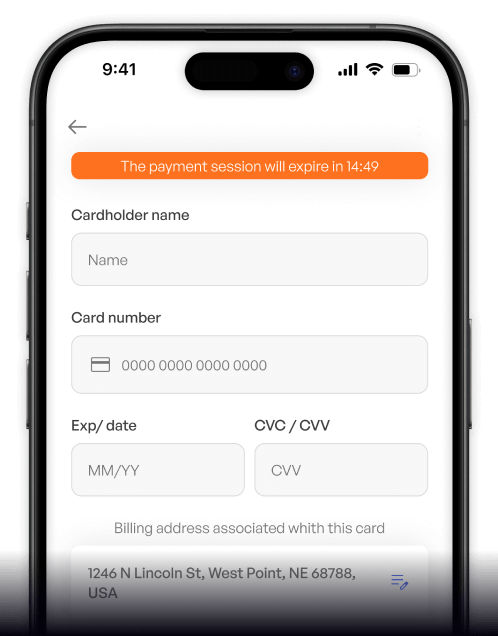
How to Buy SKALE Network (SKL)
 Step-by-step guidance
 Easy credit card payments
 Streamlined purchase process
 Web
Web
Popular Coins for Morocco Dirham (MAD)




Other Coins for Morocco Dirham (MAD)




Frequently asked questions
-
What is the primary method for purchasing SKALE Network (SKL) with Moroccan Dirham (MAD)?
Direct MAD/SKL trading pairs are uncommon on major cryptocurrency exchanges. The typical fiat on-ramp involves using a peer-to-peer (P2P) platform or a local exchange to buy a more liquid digital asset like Bitcoin (BTC) or a stablecoin (e.g., USDT) with MAD via a local bank transfer. Subsequently, you can trade that asset for SKL tokens on an exchange that lists the SKALE Network. -
What technical advantages does the SKALE Network offer to users of its dApps?
SKALE Network is an Ethereum scalability solution that utilizes elastic sidechains, known as SKALE Chains. The primary benefit for dApp users is the potential for zero gas fees for end-user transactions, as gas fees can be sponsored by the dApp. This architecture allows for high throughput and fast transaction finality, significantly improving the user experience for decentralized applications built on Ethereum. -
What type of digital wallet is required to securely hold SKL tokens?
Since the SKL token is an ERC-20 token on the Ethereum blockchain, you need a digital wallet that supports Ethereum-based assets. Popular choices include browser-based wallets like MetaMask, mobile wallets like Trust Wallet, or for enhanced security, hardware wallets such as Ledger or Trezor. Always ensure you are in control of your private keys for maximum security. -
What are the regulatory considerations for trading crypto with MAD in Morocco?
The regulatory landscape for digital assets in Morocco is evolving. While there isn't an outright ban, authorities have issued warnings about the risks associated with cryptocurrency transactions. It is crucial for traders to use platforms that enforce strict KYC/AML compliance. Engaging in peer-to-peer (P2P) trading is a common method, but users should be aware of local laws and transact cautiously. Always stay informed about the latest official statements from Moroccan financial regulators. -
How does staking SKL contribute to the SKALE Network's security?
Staking is fundamental to SKALE's pooled security model. SKL token holders can stake their tokens to validator nodes. This staked SKL acts as a security deposit, economically incentivizing validators to act honestly. In return for securing the network's many elastic sidechains, both validators and their delegators earn rewards. This collective staking mechanism secures the entire network, rather than individual chains.

Buy on the go
Anywhere. Anytime.
Buy crypto with your credit card from anywhere. Live rates, transparent fees, and 3D Secure on every order - the full Switchere card-buy experience in your pocket.



Scan to download the app iOS and Android

