

Convert
Egyptian pound (EGP) to Ethereum (ETH) Instantly
Purchase Ethereum (ETH) with Egyptian pound (EGP) easily at Switchere and benefit from fast, secure transactions.

About
Ethereum (ETH)
Ethereum is a blockchain platform designed to build decentralized applications (dApps) using smart contracts. Ether (ETH), its native cryptocurrency, is the second largest crypto by market cap. It’s used to pay for transaction fees (gas), run dApps, and execute smart contracts. Ether also plays a key role in decentralized finance (DeFi), staking, NFTs, and decentralized exchanges.
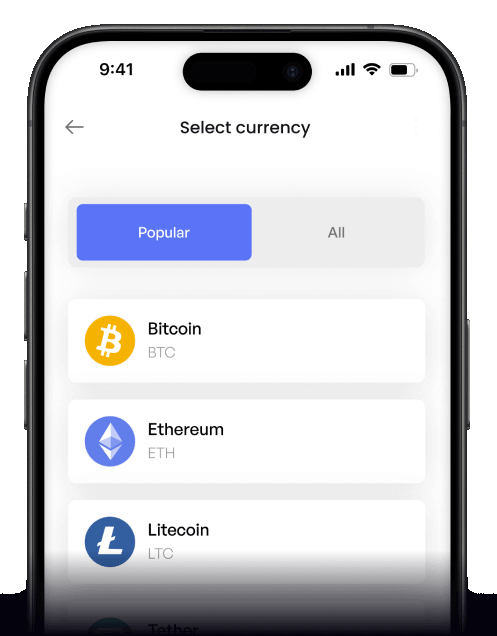
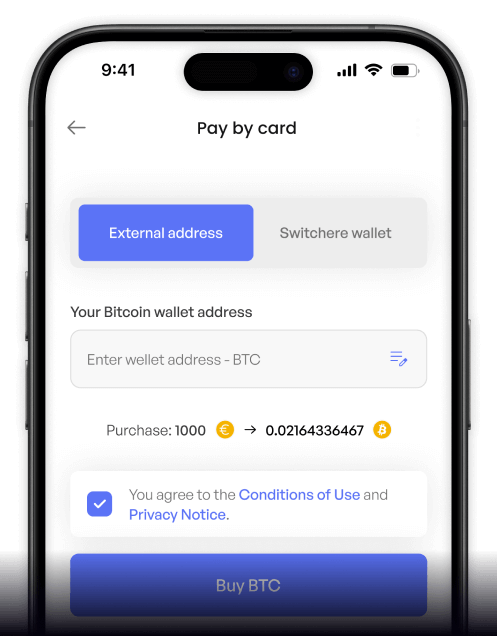
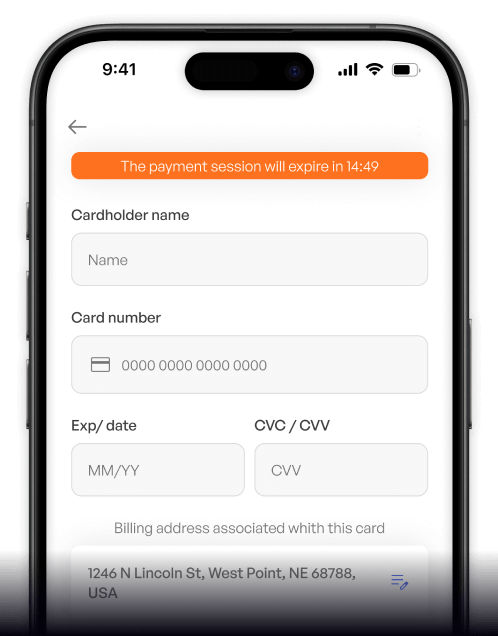
How to Buy Ethereum (ETH)
Popular Coins for Egyptian pound (EGP)
Other Coins for Egyptian pound (EGP)
Frequently asked questions
-
What are the common methods to buy Ethereum (ETH) with Egyptian Pound (EGP)?
To buy ETH with EGP, the most common fiat on-ramps are peer-to-peer (P2P) marketplaces on major cryptocurrency exchanges. These platforms allow direct trades between users, often utilizing local Egyptian payment methods like bank transfers, Instapay, or Vodafone Cash. It's crucial to use a reputable exchange with an escrow service to ensure a secure digital asset purchase and to complete any necessary KYC/AML compliance procedures. -
Why is the EGP/ETH pair a key gateway to decentralized applications (dApps)?
The EGP/ETH pair provides direct access to the Ethereum ecosystem. ETH is the native asset required to pay for transaction costs, known as 'gas fees', on the Ethereum network. By converting EGP to ETH, users can interact with thousands of dApps, participate in DeFi protocols, trade ERC-20 tokens, and engage with NFTs. This makes it a foundational step for anyone in Egypt looking to explore the capabilities of Ethereum's smart contract platform. -
What security measures are crucial when moving ETH acquired with EGP to a personal wallet?
After acquiring ETH via an EGP fiat on-ramp, it's best practice to transfer it to a self-custody digital wallet. The most critical security measure is to safeguard your seed phrase (or private keys). Never share it and store it offline in a secure location. When initiating the blockchain transaction, always double-check the recipient wallet address for accuracy. For significant amounts, consider using a hardware wallet, which keeps your private keys offline, providing maximum security against online threats for your Ethereum Virtual Machine (EVM) compatible assets. -
Are there specific transaction fees to consider when trading the EGP/ETH pair?
Yes, several fees can apply. First, the cryptocurrency exchange or P2P platform will charge a trading fee, which can be a flat rate or a percentage of the transaction volume. Second, your chosen EGP payment method, like a bank transfer or mobile payment service, might have its own fees. Finally, when you withdraw your ETH from the exchange, you will pay a network 'gas fee' in Gwei. For cost-effective interaction with dApps, consider moving your ETH to a Layer-2 solution to benefit from lower blockchain transaction costs. -
What is the typical process for KYC compliance when buying ETH with EGP?
Most reputable cryptocurrency exchanges and P2P platforms require Know Your Customer (KYC) verification to comply with Anti-Money Laundering (AML) regulations. For Egyptian users, this typically involves submitting a government-issued ID (like a National ID card or passport), proof of address, and sometimes a selfie for biometric verification. This one-time process helps secure the trading environment and is essential for establishing a trusted fiat on-ramp to purchase digital assets like Ethereum.
Could not find the answer to your question? Describe your issue in