


 Web
Web








Koop USDT Anoniem en Veilig
 Farouk Ahmed
|
Farouk Ahmed
|
sep 18, 2026

Koop USDT (ERC20) met Egyptian pound (EGP) gemakkelijk bij Switchere en profiteer van snelle, veilige transacties.
Tether (USDT) als een ERC-20 token is een centraal digitaal activum dat werkt op de Ethereum blockchaintechnologie, ontwikkeld om een brug te slaan tussen traditionele fiatvaluta's en de ontluikende crypto-economie. Het primaire doel is om prijsstabiliteit te bieden, met als doel een 1:1 koppeling met de Amerikaanse dollar, ondersteund door de reserves van Tether. Deze versie van USDT maakt gebruik van de robuuste smart contract-mogelijkheden en uitgebreide gebruikersbasis van het Ethereum-netwerk, waardoor het een uitzonderlijk liquide en toegankelijke stablecoin is voor verschillende on-chain operaties.
De ERC-20 standaard zorgt voor naadloze interoperabiliteit met een veelheid aan gedecentraliseerde applicaties (dApps) en digitale portemonnees binnen het Ethereum ecosysteem, waar transacties gas kosten. Prominente use cases voor USDT (ERC-20) zijn onder andere het dienen als een dominant handelspaar op cryptocurrency beurzen, het fungeren als een tijdelijk toevluchtsoord voor marktvolatiliteit en het vormen van een basiscomponent in diverse DeFi-toepassingen zoals uitleenprotocollen, leenplatforms en liquiditeitspools. De tokenomics zijn gericht op het behouden van de koppeling en het verzekeren van voldoende liquiditeit in het digitale grootboek.
USDT (ERC-20) is de grootste stablecoin qua marktkapitalisatie en speelt een belangrijke rol bij het injecteren van liquiditeit in de bredere markt voor digitale activa. Het fungeert als een hoeksteen van de Web3-infrastructuur, maakt efficiënte peer-to-peer waardeoverdracht mogelijk en biedt een betrouwbaar ruilmiddel. De cryptografische veiligheid van deze utility token is afgeleid van het onderliggende consensusmechanisme van Ethereum, waardoor de positie als veelgebruikte digitale dollarrepresentatie binnen het gedecentraliseerde netwerk wordt verstevigd.

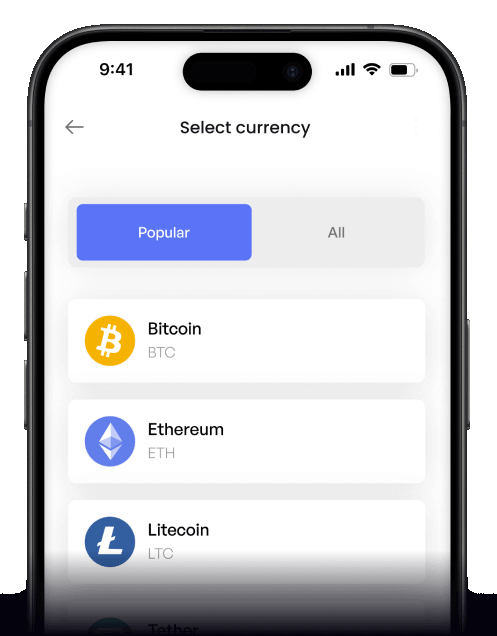
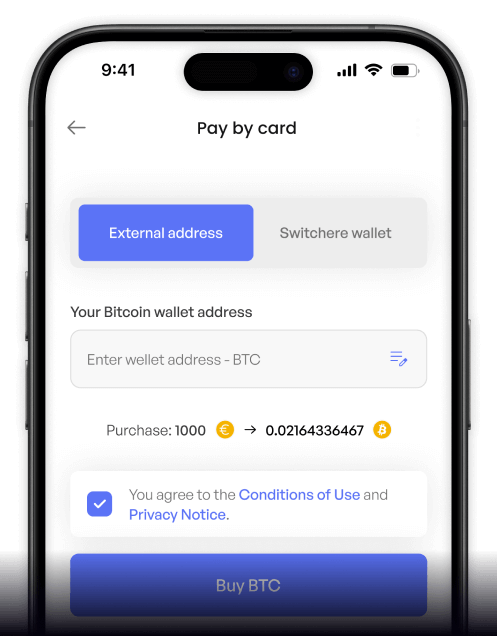
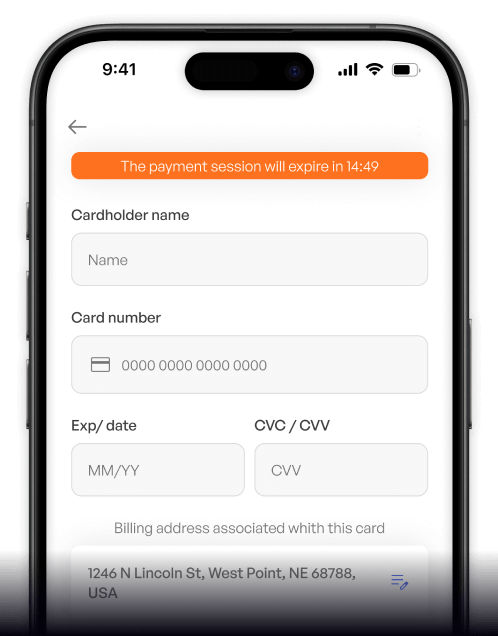
 Stapsgewijze begeleiding
 Eenvoudige creditcardbetalingen
 Gestroomlijnd aankoopproces
Farouk Ahmed
|
Gestroomlijnd aankoopproces
Farouk Ahmed
|
 Darina Perepelitza
|
Darina Perepelitza
|
Darina Perepelitza
|
Darina Perepelitza
|
Koop overal crypto met je creditcard. Actuele koersen, transparante kosten en 3D Secure bij elke bestelling – de volledige Switchere-ervaring voor het kopen met een creditcard, altijd bij de hand.



Scan de QR-code om de app te downloaden voor iOS en Android

Onze website gebruikt cookies. Ons cookiebeleid
