


Convert
Egyptian pound (EGP) to Polygon (POL) Instantly


Purchase Polygon (POL) with Egyptian pound (EGP) easily at Switchere and benefit from fast, secure transactions.
About
Polygon (POL)
Polygon, with its upgraded native token POL (succeeding MATIC), is architecting a future as the value layer of the Internet by transforming Ethereum into a full-fledged multi-chain ecosystem, often termed the "Internet of Blockchains." Its primary purpose is to address Ethereum's scalability limitations and high transaction costs by providing a framework for building and connecting Ethereum-compatible blockchain networks. The Polygon 2.0 vision introduces an aggregation layer, designed to unify diverse Layer 2 scaling solutions, including its well-established Proof-of-Stake (PoS) commit chain and advanced zero-knowledge (ZK) rollup technologies like Polygon zkEVM, under a cohesive and interoperable network with shared security.
This aggregated network leverages robust consensus mechanisms and cryptographic security to enable high-throughput, low-latency transactions for a wide array of decentralized applications (dApps) and Web3 infrastructure. The POL token is central to this ecosystem, facilitating validator staking for network security across the aggregated chains, enabling participation in on-chain governance for protocol upgrades, and serving as the gas token for transaction fees. Polygon's comprehensive suite, including the Polygon Chain Development Kit (CDK), empowers developers to launch ZK-powered L2s, fostering a scalable, secure, and interconnected digital asset landscape critical for the growth of DeFi applications and the broader adoption of blockchain technology.

How to Buy Polygon (POL)
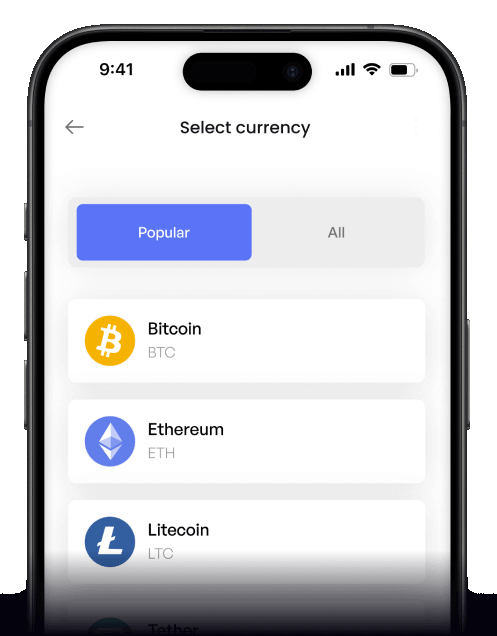
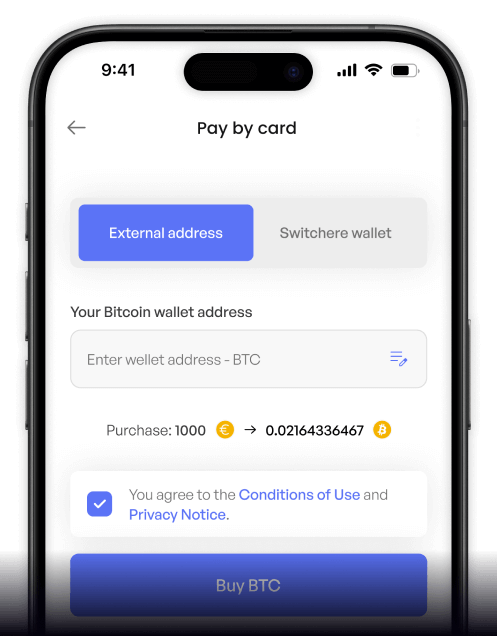
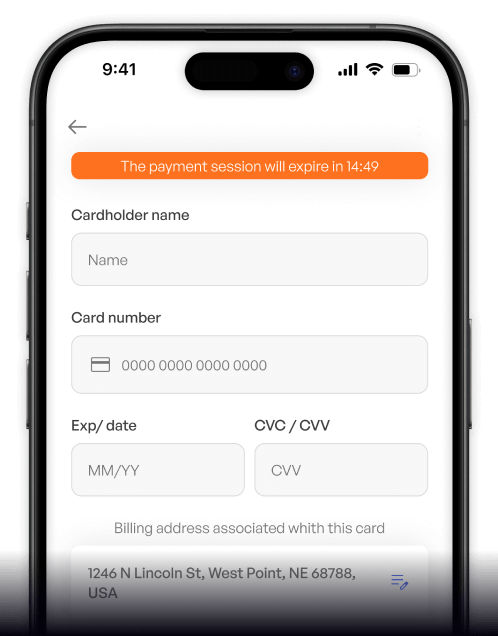
 Step-by-step guidance
 Easy credit card payments
 Streamlined purchase process
 Web
Web
Popular Coins for Egyptian pound (EGP)





Other Coins for Egyptian pound (EGP)





Frequently asked questions
-
What does the EGP/POL trading pair represent and what is its strategic importance?
The EGP/POL pair represents the direct exchange rate for converting Egyptian Pounds (EGP) into Polygon's native token, POL. Its strategic importance lies in providing a direct fiat on-ramp for users in Egypt to access the Polygon 2.0 ecosystem. This allows them to engage with Polygon's Layer 2 scaling solutions, utilize its ZK-rollup technology, and participate in staking POL for network security without first converting to a major currency like USD. -
What are the common methods to buy Polygon (POL) using Egyptian Pounds (EGP)?
The primary methods to buy POL with EGP involve using a cryptocurrency exchange that supports EGP deposits. Users typically undergo a KYC/AML compliance check, then fund their account via local payment methods like Egyptian bank transfers, debit cards, or popular services like Fawry or Vodafone Cash. Peer-to-peer (P2P) platforms are also a common alternative, connecting buyers and sellers directly for EGP transactions. -
What kind of fees are associated with purchasing POL through an EGP fiat gateway?
When purchasing POL with EGP, you can expect several types of fees. First, the exchange will charge a deposit fee for your EGP, which varies by method. Second, there's a trading fee (either maker or taker fee) on the order book when you execute the trade. Finally, if you move your POL to a private digital wallet, you'll pay a network fee for the blockchain transaction, which is determined by the Polygon network's activity. -
What key features of the Polygon network become accessible after converting EGP to POL?
Converting EGP to POL unlocks access to the entire Polygon ecosystem, a leading Layer 2 scaling solution. Key features include interacting with dApps on an EVM-compatible network with significantly lower transaction costs than Ethereum's mainnet. With the upgrade to POL, holders can participate in multi-chain staking across various Polygon chains (like PoS, zkEVM) and engage in the network's governance, all powered by its advanced ZK technology. -
After a successful EGP to POL digital asset purchase, what is the most secure way to store the tokens?
After your digital asset purchase, the most secure storage method is a non-custodial digital wallet where you control the private keys. Options include hardware wallets (like Ledger or Trezor) for maximum security, or software wallets (like MetaMask) that are EVM-compatible. Leaving POL on an exchange (custodial storage) is convenient for active trading but carries higher counterparty risk compared to self-custody.

Buy on the go
Anywhere. Anytime.
Buy crypto with your credit card from anywhere. Live rates, transparent fees, and 3D Secure on every order - the full Switchere card-buy experience in your pocket.



Scan to download the app iOS and Android

