


Converter
Egyptian pound (EGP) em Ethereum Name Service (ENS) instantaneamente


Compre Ethereum Name Service (ENS) com Egyptian pound (EGP) facilmente na Switchere e beneficie-se de transações rápidas e seguras.
Sobre
Ethereum Name Service (ENS)
O Ethereum Name Service (ENS) é um sistema de nomenclatura descentralizado criado no blockchain da Ethereum, que traduz identificadores legíveis por máquina, como endereços de carteira, hashes de conteúdo e metadados, em nomes `.eth` legíveis por humanos. Seu principal objetivo é aprimorar a experiência do usuário em todo o ecossistema Web3, simplificando as interações com dApps, ativos digitais e aplicativos DeFi, da mesma forma que o Sistema de Nomes de Domínio (DNS) atende à Internet tradicional. Essa camada de identidade na cadeia melhora a acessibilidade à tecnologia de blockchain ao abstrair cadeias hexadecimais complexas, tornando a Web descentralizada mais navegável.
Tecnologicamente, o ENS opera por meio de um conjunto de contratos inteligentes na Ethereum. Cada nome `.eth` registrado é um token não fungível (NFT) ERC-721, garantindo aos usuários a verdadeira propriedade, transferibilidade e segurança criptográfica. O protocolo oferece suporte à resolução reversa, permitindo que os aplicativos exibam nomes ENS fáceis de usar em vez de endereços brutos, e também pode apontar para sites descentralizados hospedados no IPFS. O token ENS nativo é um token de governança, que permite que seus detentores participem do ENS DAO. Isso envolve a votação de atualizações cruciais do protocolo, gerenciamento de tesouraria e ajustes de parâmetros, orientando o futuro do padrão de nomenclatura dessa rede descentralizada e sua tokenômica.
A ENS é reconhecida como uma infraestrutura fundamental da Web3, essencial para aprimorar as interações do usuário e estabelecer uma identidade portátil e de propriedade do usuário na cadeia. Ao mapear nomes memoráveis para vários recursos de blockchain, ele reduz significativamente as barreiras de entrada para novos usuários. Esse utilitário posiciona o ENS como um facilitador essencial para a adoção mais ampla de tecnologias descentralizadas e é parte integrante de um registro digital mais intuitivo. Seu papel na simplificação de interações complexas no ecossistema Ethereum e além dele ressalta sua importância na construção de uma Web3 mais centrada no usuário, promovendo o crescimento em áreas como mercados NFT e mídias sociais descentralizadas.

Como comprar Ethereum Name Service (ENS)
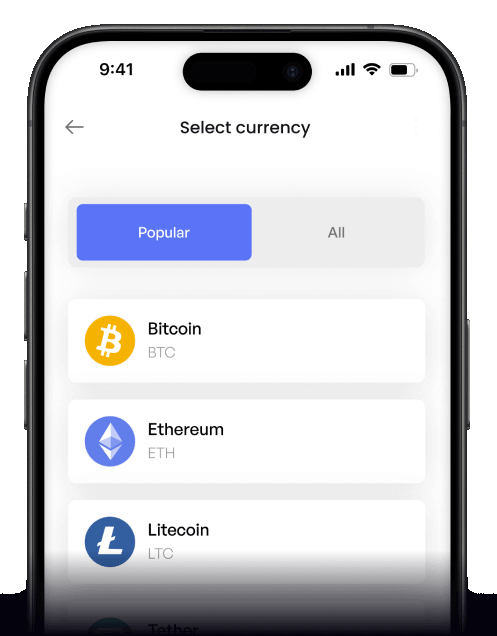
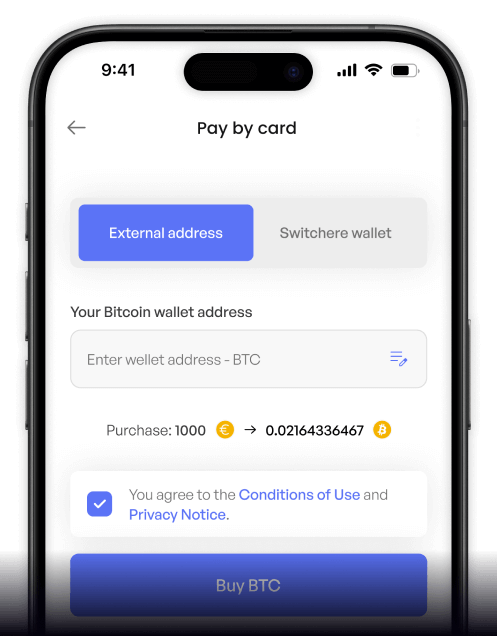
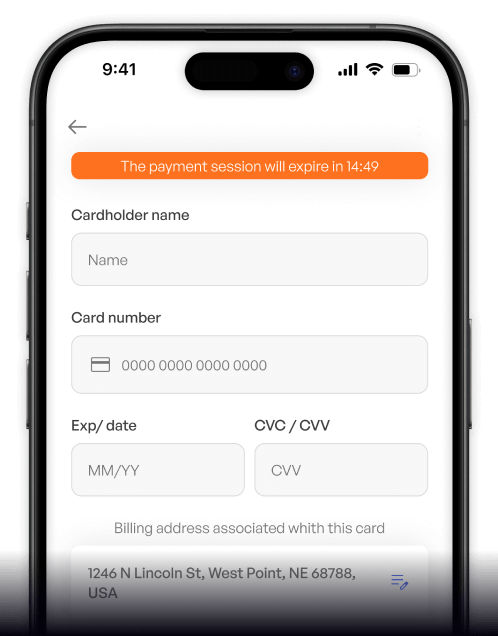
 Orientação passo a passo
 Pagamentos fáceis com cartão de crédito
 Processo de compra simplificado
 Web
Web
Moedas populares para Egyptian pound (EGP)





Outras moedas para Egyptian pound (EGP)





Perguntas frequentes
-
O que é o par de negociação EGP para ENS e qual sua importância na Web3?
O par EGP para ENS permite a compra direta de tokens do Ethereum Name Service (ENS) usando a Libra Egípcia. Sua importância reside em fornecer uma rampa de entrada de moeda fiduciária para usuários no Egito participarem da governança da DAO do ENS, uma peça crítica da infraestrutura Web3 que gerencia domínios .eth descentralizados e simplifica endereços de criptomoedas para nomes legíveis por humanos. -
Quais são os métodos comuns para comprar ENS com EGP?
Normalmente, a aquisição de ENS com EGP envolve o uso de uma exchange de criptomoedas ou uma plataforma peer-to-peer (P2P) que suporte depósitos em Libra Egípcia. Os usuários devem completar a conformidade com KYC/AML e, em seguida, financiar sua conta por meio de métodos de pagamento locais, como uma transferência bancária. Uma vez financiada, eles podem fazer uma ordem de compra no mercado EGP/ENS para executar a compra do ativo digital. -
Qual é a função principal do token ENS no ecossistema Ethereum?
O token ENS é fundamentalmente um token de governança. Sua função principal é conceder aos detentores o direito de participar da Organização Autônoma Descentralizada (DAO) do ENS. Através da DAO, os detentores de tokens podem propor e votar em decisões-chave que afetam o protocolo, como preços para domínios .eth, gestão de tesouraria e desenvolvimento futuro, descentralizando assim o controle sobre esta camada central de identidade da Web3. -
Após comprar ENS com EGP, que tipo de carteira digital é necessária para armazenamento seguro?
Como o ENS é um token ERC-20 na blockchain do Ethereum, você precisa de uma carteira digital compatível com Ethereum para armazenamento seguro. As escolhas populares incluem carteiras baseadas em navegador como a MetaMask ou carteiras móveis como a Trust Wallet. Para segurança aprimorada, é altamente recomendável transferir seus tokens ENS da exchange para uma carteira de hardware (autocustódia) para proteger suas chaves privadas. -
Quais são os custos potenciais associados às transações de blockchain de EGP para ENS?
Ao converter EGP para ENS, você deve considerar várias taxas. Isso inclui taxas de depósito para EGP na exchange, taxas de negociação (taxas de maker/taker) pela compra real e taxas de saque. A taxa de saque é particularmente importante, pois inclui a 'taxa de gás' da rede Ethereum para processar a transação na blockchain, que pode flutuar com base no congestionamento da rede.

Compre em qualquer lugar
Em qualquer lugar. A qualquer hora.
Compre criptomoedas com seu cartão de crédito de qualquer lugar. Taxas em tempo real, tarifas transparentes e 3D Secure em todos os pedidos — toda a experiência de compra com cartão da Switchere no seu bolso.



Digitalize o código para baixar o aplicativo para iOS e Android

