


Convert
Egyptian pound (EGP) to ETHPoW (ETHW) Instantly


Purchase ETHPoW (ETHW) with Egyptian pound (EGP) easily at Switchere and benefit from fast, secure transactions.
About
ETHPoW (ETHW)
ETHW (ETHW) represents a hard fork of the Ethereum blockchain, initiated following Ethereum's transition from a Proof-of-Work (PoW) to a Proof-of-Stake (PoS) consensus mechanism, an event widely known as "The Merge." The primary purpose of ETHW is to maintain the original Ethereum PoW chain, thereby offering a continuation for the existing community of miners and users who prefer the PoW model or have significant investments in PoW mining infrastructure. This decentralized network preserves the Ethash mining algorithm, relying on miners to validate transactions and secure the blockchain technology through computational work, a foundational aspect of the pre-Merge Ethereum digital ledger.
The native ETHW token is crucial for the ecosystem's functionality. It serves as the primary digital asset for paying transaction fees, commonly referred to as gas, which are necessary for executing smart contracts and interacting with decentralized applications (dApps) operating on the ETHW chain. Furthermore, ETHW tokens are distributed as mining rewards, incentivizing miners to contribute their hash power to maintain network integrity and on-chain security. ETHW aims to support a segment of the Ethereum dApp landscape and its associated tokenomics, providing an alternative platform for developers and users committed to the Proof-of-Work consensus, positioning itself as a distinct branch within the broader Web3 infrastructure.

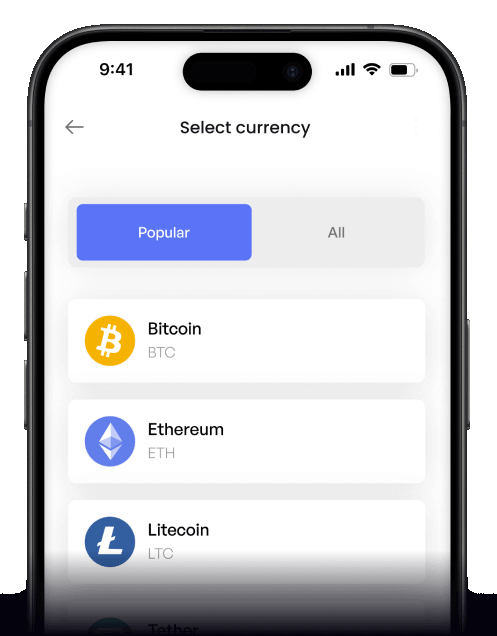
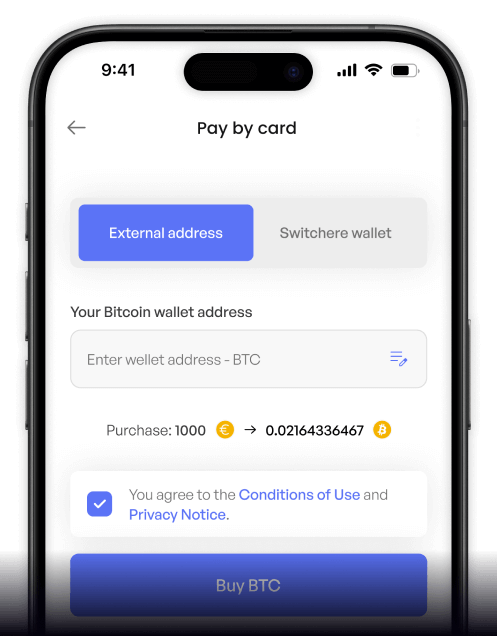
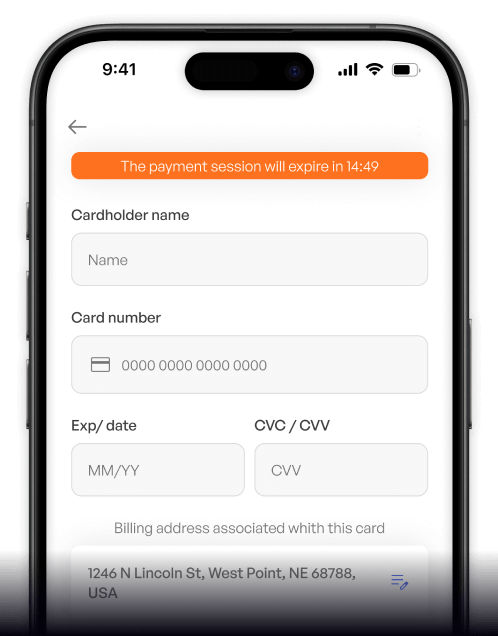
How to Buy ETHPoW (ETHW)
 Step-by-step guidance
 Easy credit card payments
 Streamlined purchase process
 Web
Web
Popular Coins for Egyptian pound (EGP)





Other Coins for Egyptian pound (EGP)










Frequently asked questions
-
What exactly is the EGP/ETHW trading pair?
The EGP/ETHW pair represents the exchange rate between the Egyptian Pound (EGP) and EthereumPoW (ETHW). ETHW is a digital asset that resulted from a hard fork of the Ethereum blockchain, preserving the original Proof-of-Work (PoW) consensus mechanism that was replaced by Proof-of-Stake in the main Ethereum 'Merge' event. Trading this pair means you are using EGP to purchase ETHW, or selling ETHW for EGP. -
What are the common methods to buy ETHW with Egyptian Pounds?
Direct EGP to ETHW fiat on-ramps are rare. The most common method involves a multi-step process: First, use a peer-to-peer (P2P) platform to buy a more liquid cryptocurrency like USDT or BTC with EGP via local bank transfer or Vodafone Cash. Then, transfer that asset to a cryptocurrency exchange that lists ETHW and trade it for ETHW. This process requires KYC/AML compliance on the chosen platforms. -
Why is ETHW's Proof-of-Work mechanism a key factor for traders?
ETHW's commitment to the Proof-of-Work (PoW) consensus is its primary differentiator. For some traders and developers, PoW represents a more battle-tested and arguably more decentralized consensus model than Proof-of-Stake. This attracts a specific community, including former ETH miners, who want to continue supporting and building on a PoW-based, EVM-compatible chain. The value proposition of ETHW is intrinsically linked to maintaining this original Ethereum protocol. -
Do I need a special digital wallet for ETHW purchased with EGP?
Yes, you need a digital wallet that explicitly supports the EthereumPoW network. While ETHW is EVM-compatible, meaning it shares architecture with Ethereum, you must manually add the specific ETHW network settings (like the correct Chain ID) to a compatible wallet (e.g., MetaMask). Sending ETHW to a standard Ethereum (PoS) address on an exchange that does not support the ETHW chain will result in a loss of your digital assets. -
What are the primary risks or challenges when trading EGP for ETHW?
The main challenges include low liquidity and regulatory uncertainty. There is no major exchange with a direct EGP/ETHW order book, so liquidity is fragmented. This means you must rely on P2P markets, which can have wider spreads and slower transaction times. Furthermore, the regulatory environment for digital asset transactions in Egypt is complex, requiring traders to be aware of current Central Bank of Egypt policies and perform due diligence on any P2P counterparties.

Buy on the go
Anywhere. Anytime.
Buy crypto with your credit card from anywhere. Live rates, transparent fees, and 3D Secure on every order - the full Switchere card-buy experience in your pocket.



Scan to download the app iOS and Android

