


Convert
Egyptian pound (EGP) to Pendle (PENDLE) Instantly


Purchase Pendle (PENDLE) with Egyptian pound (EGP) easily at Switchere and benefit from fast, secure transactions.
About
Pendle (PENDLE)
Pendle is a decentralized finance (DeFi) protocol built on blockchain technology that unlocks the full potential of yield-bearing assets by enabling the separation and trading of future yield. It introduces a novel financial primitive by tokenizing yield, allowing users to execute advanced yield management strategies. The core mechanism involves wrapping yield-generating digital assets (like stETH or aUSDC) into a standardized yield token, which is then split into two distinct components: a Principal Token (PT) and a Yield Token (YT). This process effectively creates a market for interest rate derivatives within the DeFi ecosystem, offering new opportunities for both risk-averse and speculative participants.
The PENDLE token is central to the protocol's tokenomics, serving as both a utility and governance token. By locking PENDLE, users receive vote-escrowed PENDLE (vePENDLE), which confers voting power on protocol governance and directs emissions to specific liquidity pools. Furthermore, vePENDLE holders are entitled to a portion of the fees generated by the protocol and can receive boosted rewards for their liquidity provisioning activities. This model incentivizes long-term holding and active participation, aligning user interests with the platform's growth. Pendle's specialized Automated Market Maker (AMM) is designed to handle time-decaying assets, positioning it as foundational Web3 infrastructure for fixed income and future yield trading in the on-chain economy.

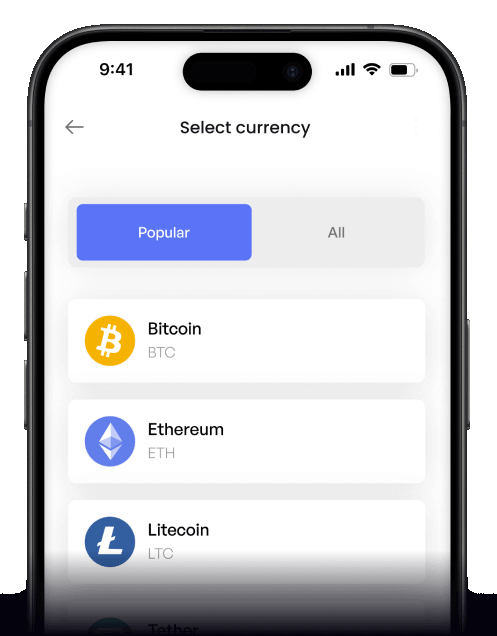
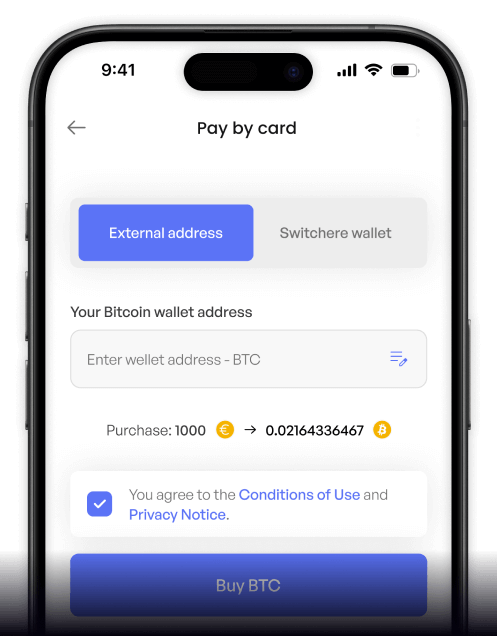
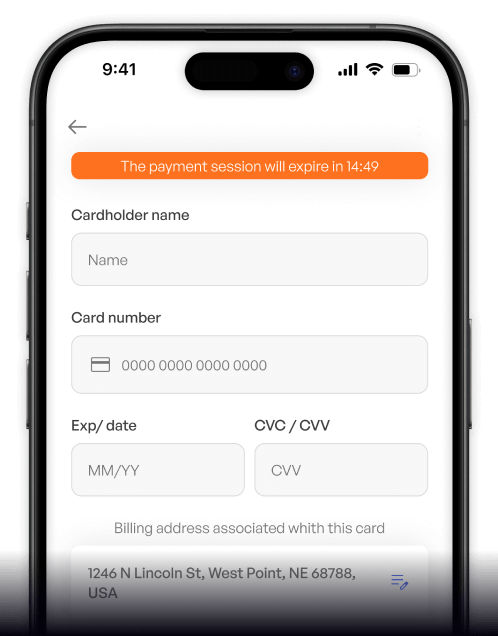
How to Buy Pendle (PENDLE)
 Step-by-step guidance
 Easy credit card payments
 Streamlined purchase process
 Web
Web
Popular Coins for Egyptian pound (EGP)





Other Coins for Egyptian pound (EGP)










Frequently asked questions
-
What does the EGP/PENDLE trading pair represent in the DeFi space?
The EGP/PENDLE pair signifies a direct fiat on-ramp, enabling the purchase of PENDLE tokens using the Egyptian Pound (EGP). PENDLE is the native token of a decentralized finance (DeFi) protocol specializing in yield tokenization. This process involves converting EGP into a digital asset that allows users to speculate on or hedge against future yields from yield-bearing assets within the Pendle ecosystem. -
What is the typical process to buy PENDLE with Egyptian Pounds (EGP)?
Since a direct EGP/PENDLE pair is uncommon on centralized exchanges, the process usually involves multiple steps. Typically, a user would use a P2P platform or a local exchange to buy a stablecoin like USDT with EGP via local payment methods such as bank transfers or Fawry. After acquiring USDT in their digital wallet, they would then use a decentralized exchange (DEX) that lists PENDLE to swap the USDT for PENDLE tokens, paying a gas fee for the blockchain transaction. -
How does Pendle's yield tokenization work and what am I exposed to?
Pendle protocol separates yield-bearing assets (like stETH) into two components: a Principal Token (PT) and a Yield Token (YT). PT represents the principal amount, redeemable at maturity, allowing for fixed-yield strategies. YT represents the future yield, enabling speculation on yield fluctuations. When you buy PENDLE, you're investing in the governance token of this ecosystem, which accrues value from protocol fees and governs its operations via vePENDLE locking, not directly in the PT or YT assets. -
What are the common KYC/AML requirements and fees when using EGP for crypto purchases?
When using an EGP fiat on-ramp, especially through P2P platforms, you must complete Know Your Customer (KYC) and adhere to Anti-Money Laundering (AML) compliance. This typically involves submitting a government-issued ID and proof of address. Fees can vary; bank transfers may have standard banking fees, while services like Fawry or InstaPay could have their own transaction charges. Additionally, the P2P platform or exchange will have its own fee structure, and DEX swaps for PENDLE will incur blockchain network fees. -
What makes Pendle's Automated Market Maker (AMM) unique for trading assets like PT and YT?
Pendle utilizes a specialized Automated Market Maker (AMM) designed to handle time-decaying assets like its Principal Tokens (PT) and Yield Tokens (YT). Unlike standard AMMs (e.g., Uniswap V2), Pendle's AMM logic accounts for the natural price convergence of PTs towards their face value as they approach maturity. This minimizes impermanent loss for liquidity providers and offers more capital-efficient trading for these unique DeFi derivatives.

Buy on the go
Anywhere. Anytime.
Buy crypto with your credit card from anywhere. Live rates, transparent fees, and 3D Secure on every order - the full Switchere card-buy experience in your pocket.



Scan to download the app iOS and Android

