


Convert
Kenyan Shilling (KES) to THORChain (RUNE) Instantly


Purchase THORChain (RUNE) with Kenyan Shilling (KES) easily at Switchere and benefit from fast, secure transactions.
About
THORChain (RUNE)
THORChain (RUNE) is a decentralized liquidity protocol built to facilitate cross-chain swaps of native digital assets in a permissionless, non-custodial manner. Operating as an independent Layer-1 blockchain using the Cosmos SDK and Tendermint consensus mechanism, it enables users to exchange cryptocurrencies like native Bitcoin for native Ethereum without relying on wrapped tokens or centralized intermediaries. This is a crucial piece of Web3 infrastructure designed to solve the problem of fragmented liquidity across disparate blockchain ecosystems. The network's architecture is centered around Continuous Liquidity Pools (CLPs), where liquidity providers deposit assets alongside the native utility token, RUNE.
The RUNE token is integral to the protocol's tokenomics and security. It serves four key functions: acting as the base pairing asset in all liquidity pools, providing the economic bond for node operators to ensure network security (a form of Sybil resistance), functioning as the settlement currency for all swaps, and being used for on-chain governance. This design creates a deterministic value for RUNE based on the total liquidity locked in the network. By connecting chains through its Bifrost Protocol, THORChain stands as a fundamental pillar for seamless interoperability and native asset settlement within the broader DeFi applications landscape.

How to Buy THORChain (RUNE)
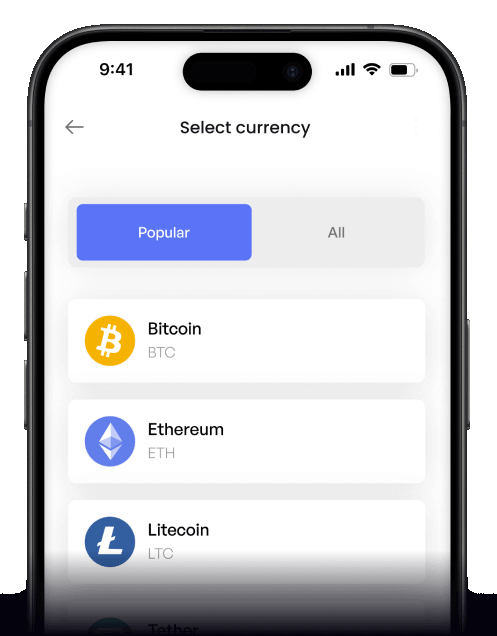
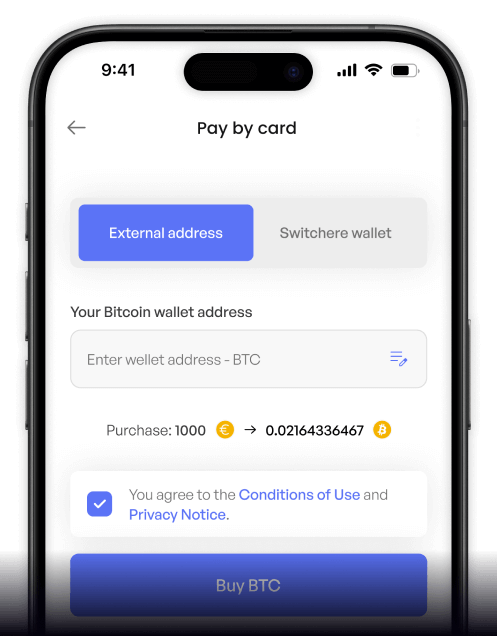
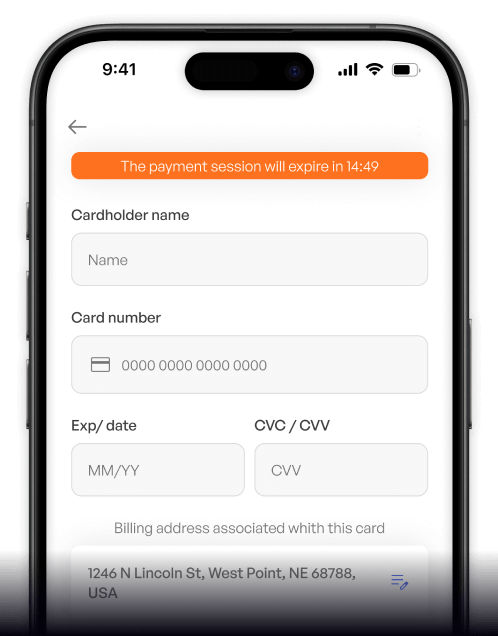
 Step-by-step guidance
 Easy credit card payments
 Streamlined purchase process
 Web
Web
Popular Coins for Kenyan Shilling (KES)




Other Coins for Kenyan Shilling (KES)









Frequently asked questions
-
What are the common methods to buy THORChain (RUNE) with Kenyan Shilling (KES)?
To acquire RUNE with KES, you typically use a P2P (peer-to-peer) platform or a cryptocurrency exchange that supports KES fiat on-ramps. The most common process involves using KES to buy a more liquid digital asset like USDT or BTC via M-Pesa or a Kenyan bank transfer first. You then trade that asset for RUNE on an exchange that lists the corresponding pair, which might be a centralized or a decentralized exchange like THORChain's own interface for a native asset swap. -
What is THORChain's key feature for cross-chain native asset swaps?
THORChain's defining feature is its ability to facilitate decentralized, cross-chain swaps of native Layer 1 assets without using wrapped tokens or pegs. It achieves this through its network of THORNodes and Continuous Liquidity Pools (CLPs), where all assets are paired against RUNE. This allows a user to, for example, swap native BTC directly for native ETH in a single, trust-minimized blockchain transaction, a significant advantage over many other DEX protocols. -
What is the function of the RUNE token within the THORChain protocol?
The RUNE token has four key roles. 1) It serves as the base pair in all Continuous Liquidity Pools (CLPs), creating a bridge for all cross-chain swaps. 2) It's used for network security, as THORNode operators must bond a significant amount of RUNE to participate. 3) It's used to pay for network transaction fees (gas) and slip-based fees. 4) It functions as a governance token, allowing holders to influence the protocol's future. -
Are there direct KES/RUNE trading pairs with high liquidity available?
Direct KES/RUNE trading pairs on major centralized exchanges are extremely rare and typically have very low liquidity. The standard procedure is a two-step process: convert KES into a widely-traded cryptocurrency like BTC, ETH, or a stablecoin (USDT) via a local fiat gateway or P2P market, and then trade that asset for RUNE on an exchange with a deep order book for that pair. This ensures better pricing and faster execution for your digital asset purchase. -
What fees should I anticipate when using KES to get RUNE?
The total cost involves several potential fees. First, a deposit fee for your KES on-ramp, which can vary if using M-Pesa or a bank. Second, a trading fee on the exchange where you buy an intermediary asset (like USDT). Third, a withdrawal fee for moving that asset. Finally, when swapping for RUNE, especially on THORChain itself, you'll encounter a network fee and a dynamic, slip-based fee, which is part of THORChain's impermanent loss mitigation strategy. Always check the fee structure of each platform involved.

Buy on the go
Anywhere. Anytime.
Buy crypto with your credit card from anywhere. Live rates, transparent fees, and 3D Secure on every order - the full Switchere card-buy experience in your pocket.



Scan to download the app iOS and Android

