


- Hjemmeside
- Konverter
- Kenyan Shilling (KES) til Radiant Capital (RDNT)

Konverter
Kenyan Shilling (KES) til Radiant Capital (RDNT) med det samme


Køb Radiant Capital (RDNT) med Kenyan Shilling (KES) nemt hos Switchere og nyd godt af hurtige, sikre transaktioner.
Omkring
Radiant Capital (RDNT)
Radiant Capital (RDNT) står som et banebrydende omnichain-pengemarked designet til at forene fragmenteret likviditet på tværs af forskellige blockchain-netværk. Bygget oven på den grundlæggende LayerZero-protokol adresserer Radiant en kerneudfordring inden for decentraliseret finans (DeFi) ved at gøre det muligt for brugere at indbetale sikkerhed på én kæde, såsom Arbitrum, og problemfrit låne et andet digitalt aktiv på en anden, som BNB Chain, alt sammen inden for en enkelt, sammenhængende grænseflade. Dette fjerner behovet for traditionelle, ofte usikre, aktiv-broer, hvilket forbedrer kapitaleffektiviteten og brugeroplevelsen i hele Web3-økosystemet.
Protokollens arkitektur udnytter cross-chain interoperabilitet til at skabe en ægte samlet udlåns- og låneplatform. Den native utility-token, RDNT, er central for dens tokenomics. For at deltage i platformemissioner genereret fra låntageres rentegebyrer og flash-lån, skal brugere blive Dynamic Liquidity Providers (dLP) ved at låse RDNT-tokens. Denne dLP-model letter ikke kun styring over protokollens fremtid, men inciterer også til langsigtet likviditetsforsyning, hvilket bringer brugernes interesser på linje med platformens sundhed. Ved at samle likviditet positionerer Radiant Capital sig som en grundlæggende del af infrastrukturen for et mere sammenkoblet og flydende DeFi-landskab, drevet af avancerede smarte kontrakter og sikre on-chain-transaktioner.

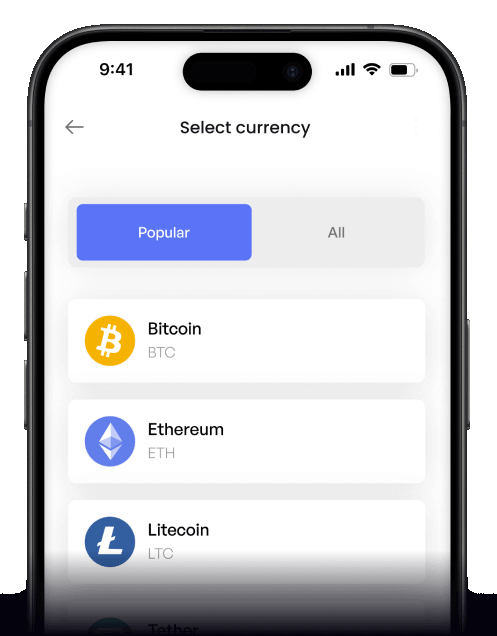
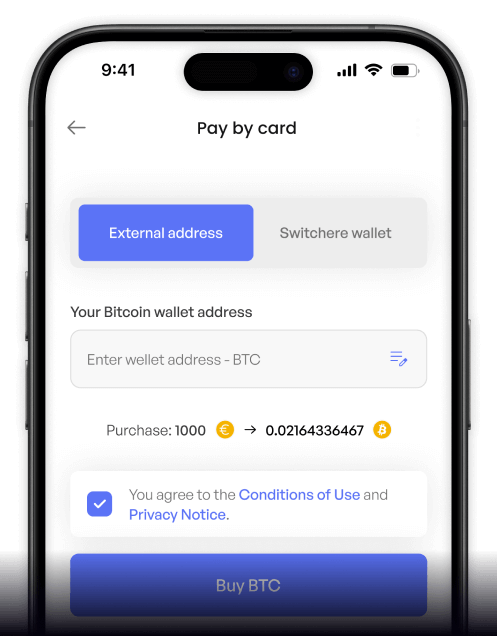
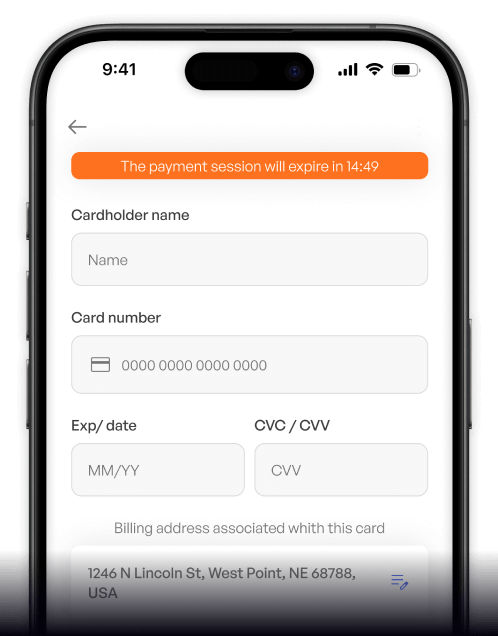
Sådan køber du Radiant Capital (RDNT).
 Trin-for-trin vejledning
 Nemme betalinger med kreditkort
 Strømlinet købsproces
 Web
Web
Populære mønter for Kenyan Shilling (KES)




Andre mønter til Kenyan Shilling (KES)









Ofte stillede spørgsmål
-
Hvad er den mest almindelige måde at købe Radiant Capital (RDNT) med kenyanske shilling (KES)?
For at købe RDNT med KES benytter brugere typisk en peer-to-peer (P2P) markedsplads på en større kryptovalutabørs, der understøtter KES-transaktioner. Processen indebærer at finde en sælger, der accepterer lokale betalingsmetoder som M-Pesa eller en kenyansk bankoverførsel. Du vil først købe en stablecoin som USDT og derefter bruge det digitale aktiv til at handle for RDNT på børsens spotmarked. Denne metode fungerer som en primær fiat on-ramp for at få adgang til DeFi-protokoller som Radiant Capital fra Kenya. -
Hvad er præcis Radiant Capitals funktion som et omnichain pengemarked?
Radiant Capital (RDNT) fungerer som en decentraliseret, tværkædet udlåns- og låneprotokol. Den er bygget på LayerZero-teknologi, hvilket giver brugerne mulighed for at deponere et større digitalt aktiv på én blockchain (som Arbitrum) og låne et andet aktiv på en anden understøttet kæde (som BNB Chain) problemfrit. Denne omnichain-kapacitet sigter mod at forene fragmenteret likviditet på tværs af forskellige blockchain-økosystemer, hvilket gør DeFi-kapital mere effektiv uden behov for broer til hver transaktion. -
Er der nogen specifikke fordele ved at bruge KES/RDNT-parret for brugere i Kenya?
Ja, en direkte vej fra KES til RDNT, selvom det er via en stablecoin, giver betydelige fordele. Det giver kenyanske brugere en mere direkte fiat on-ramp til det avancerede DeFi-rum, specifikt Arbitrum- og BNB Chain-økosystemerne, hvor Radiant er fremtrædende. Dette reducerer afhængigheden af flere valutaomregninger (f.eks. KES til USD til RDNT), hvilket potentielt sænker transaktionsomkostninger og kompleksitet. Det giver brugerne mulighed for at deltage i Radiants Dynamic Liquidity Provisioning (dLP) og styring direkte med deres lokale valuta. -
Hvilken slags gebyrer skal jeg forvente, når jeg behandler en KES til RDNT-transaktion?
En KES til RDNT-transaktion involverer flere potentielle gebyrer. For det første kan P2P-platformen eller betalingsudbyderen (som M-Pesa) have et transaktionsgebyr for det indledende fiat-køb. For det andet vil kryptovalutabørsen opkræve et handelsgebyr for at konvertere din stablecoin til RDNT. Endelig, når du flytter din RDNT til en selvforvaltet digital tegnebog for at interagere med Radiant-protokollen, vil du betale et netværksgasgebyr på den respektive blockchain (f.eks. Arbitrum). Gennemgå altid gebyrstrukturen på børsen og vær opmærksom på netværksbelastning, som kan påvirke gaspriserne. -
Hvordan gavner det en indehaver at låse RDNT som dLP (Dynamic Liquidity Provisioning)?
At låse det oprindelige RDNT-token som dLP er en kernemekanisme i Radiant Capital-protokollen. Ved at gøre det tilfører indehavere essentiel likviditet til platformen. Til gengæld bliver de berettiget til at modtage en andel af platformens gebyrer, der genereres fra lånerenter og flash-lån, udbetalt i blue-chip-aktiver som ETH eller stablecoins. Desuden får dLP-indehavere styringsrettigheder og kan modtage RDNT-emissioner, hvilket tilskynder til et langsigtet engagement i protokollens sundhed og sikkerhed.

Køb, hvor du er
Hvor som helst. Når som helst.
Køb kryptovaluta med dit kreditkort, uanset hvor du befinder dig. Aktuelle kurser, gennemsigtige gebyrer og 3D Secure ved hver eneste ordre – den fulde Switchere-oplevelse ved kortkøb lige i lommen.



Scan for at downloade appen til iOS og Android

