


Converter
Kenyan Shilling (KES) em USDT (Polygon) instantaneamente


Compre USDT (Polygon) com Kenyan Shilling (KES) facilmente na Switchere e beneficie-se de transações rápidas e seguras.
Sobre
USDT (Polygon)
O Tether (USDT) na rede Polygon representa uma implementação significativa da stablecoin mais usada no mundo, projetada para proporcionar estabilidade de preços ao manter uma paridade de 1:1 com o dólar americano. Seu objetivo principal é oferecer um ativo digital que espelhe a moeda fiduciária tradicional, mitigando assim a volatilidade e servindo como um meio confiável de troca e reserva de valor dentro do espaço mais amplo da tecnologia blockchain. O USDT facilita a transferência eficiente de valor e atua como um bloco de construção fundamental para vários aplicativos DeFi, fazendo a ponte entre as finanças tradicionais e as redes descentralizadas.
Operando no Polygon, uma solução de escalonamento de camada 2 da Ethereum, o USDT se beneficia imensamente do mecanismo de consenso de prova de participação (PoS) do Polygon e de sua arquitetura compatível com EVM. Essa integração se traduz em custos de transação substancialmente reduzidos (taxas de gás) e tempos de liquidação significativamente mais rápidos em comparação com as operações diretas da rede principal Ethereum. A cadeia PoS da Polygon oferece uma plataforma robusta para o USDT, aprimorando sua função de token utilitário para negociações de alta frequência, microtransações e participação no crescente ecossistema DeFi da Polygon. Como resultado, o USDT no Polygon é fundamental para os usuários que buscam operações eficientes de stablecoin na cadeia, apoiando atividades como fornecimento de liquidez, produção agrícola e alimentação de diversos dApps, estabelecendo-o como um ativo de ledger digital fundamental dentro dessa infraestrutura Web3 escalável, tudo protegido por uma segurança criptográfica robusta.

Como comprar USDT (Polygon)
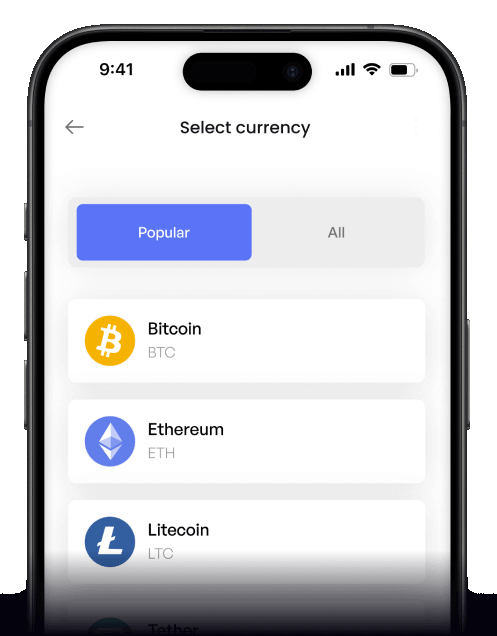
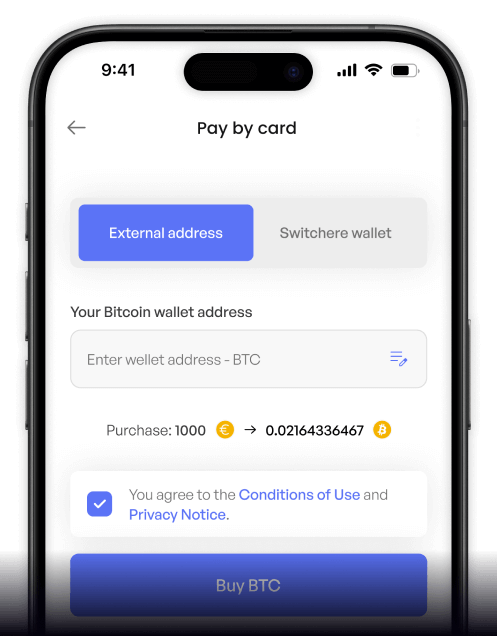
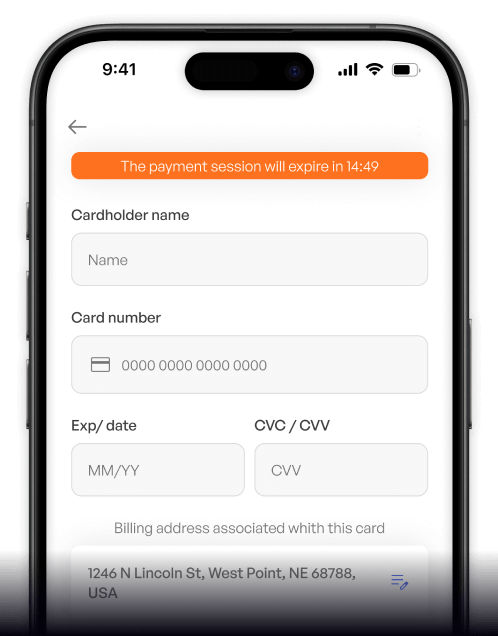
 Orientação passo a passo
 Pagamentos fáceis com cartão de crédito
 Processo de compra simplificado
 Web
Web
Moedas populares para Kenyan Shilling (KES)





Outras moedas para Kenyan Shilling (KES)





Perguntas frequentes
-
Como posso comprar USDT baseado na rede Polygon usando Xelins Quenianos (KES)?
A compra de USDT baseado na rede Polygon com Xelins Quenianos (KES) é feita de forma mais eficiente por meio de uma rampa de fiat ou uma exchange de criptomoedas peer-to-peer (P2P) que suporte a rede Polygon. O método de pagamento mais popular no Quênia é o M-Pesa, permitindo transferências rápidas de dinheiro móvel diretamente para os vendedores. Uma vez que o pagamento em KES é compensado, a stablecoin Tether é liberada do escrow P2P para sua carteira digital através da solução de escalonamento Layer-2 da Polygon, garantindo altas velocidades de transação e taxas de gas mínimas em comparação com a mainnet do Ethereum. -
Quais são os benefícios de usar a rede Polygon para transações de USDT em vez da Ethereum?
A principal vantagem de selecionar a rede Polygon para suas transações de USDT reside em sua arquitetura Layer-2 compatível com EVM, que reduz drasticamente o congestionamento da rede. Ao negociar KES por USDT (Polygon), você se beneficia de taxas de gas de micro-centavos e tempos de liquidação quase instantâneos. Isso torna a rede altamente eficiente para interações de finanças descentralizadas (DeFi), execução de contratos inteligentes e transferência de ativos digitais, sem a alta sobrecarga computacional e custos associados às transferências nativas de tokens ERC-20 no Ethereum. -
Existem requisitos de KYC/AML ao trocar KES por USDT (Polygon)?
Sim, a utilização de exchanges de criptomoedas centralizadas e gateways fiat regulamentados para converter Xelins Quenianos em Tether exige a conformidade com os protocolos Conheça Seu Cliente (KYC) e Prevenção à Lavagem de Dinheiro (AML). Você precisará verificar sua identidade usando um documento emitido pelo governo antes de acessar o livro de ofertas ou os mercados P2P. Isso garante um ambiente de negociação seguro, mitiga o risco de fraude e mantém a conformidade regulatória dentro do ecossistema blockchain mais amplo. -
Posso usar o M-Pesa diretamente para financiar minha carteira Polygon com USDT?
Você não pode enviar KES diretamente do M-Pesa para um endereço blockchain descentralizado, pois as blockchains operam com ativos digitais e não com moeda fiat. No entanto, você pode usar o M-Pesa para pagar um vendedor em uma plataforma de criptomoedas P2P. Assim que o vendedor confirmar o recebimento da transferência de dinheiro móvel em KES, ele desembolsará o USDT via uma transação na Polygon diretamente para sua carteira digital não custodial, preenchendo a lacuna entre a infraestrutura de pagamento local queniana e a Web3. -
Precisarei de MATIC para transacionar meu USDT recém-adquirido na Polygon?
Sim, sempre que você interagir com a blockchain da Polygon, seja enviando seu USDT para outra carteira digital, trocando-o em uma exchange descentralizada (DEX) ou fazendo staking em um protocolo DeFi, você deverá pagar uma taxa de gas de rede. Na Polygon, essas taxas de transação são pagas no token nativo da rede, MATIC (ou POL). Você só precisa de uma fração de MATIC para cobrir centenas de interações de contratos inteligentes, tornando-o altamente econômico para os detentores de USDT.

Compre em qualquer lugar
Em qualquer lugar. A qualquer hora.
Compre criptomoedas com seu cartão de crédito de qualquer lugar. Taxas em tempo real, tarifas transparentes e 3D Secure em todos os pedidos — toda a experiência de compra com cartão da Switchere no seu bolso.



Digitalize o código para baixar o aplicativo para iOS e Android

