


Конвертуйте
Kenyan Shilling (KES) на Fetch (FET) миттєво


Купуйте Fetch (FET) за допомогою Kenyan Shilling (KES) легко на Switchere і отримуйте вигоду від швидких і безпечних транзакцій.
Близько
Fetch (FET)
Fetch.ai (FET) - це інноваційна платформа на базі блокчейну, призначена для побудови децентралізованої цифрової економіки, що базується на штучному інтелекті (ШІ) та машинному навчанні (МН). Її основна мета - об'єднати пристрої та алгоритми Інтернету речей (IoT), щоб дозволити автономним економічним агентам (АЕА) виконувати корисну економічну роботу. Ці програмні агенти діють від імені окремих осіб, організацій або машин, автономно знаходячи, домовляючись і виконуючи завдання, створюючи таким чином децентралізований ринок послуг і даних зі штучним інтелектом. Fetch.ai має на меті демократизувати доступ до штучного інтелекту, уможливлюючи нове покоління інтелектуальних, автономних сервісів у різних секторах.
Основна технологія Fetch.ai об'єднує високопродуктивний розумний реєстр з розширеними можливостями штучного інтелекту. Створений за допомогою Cosmos SDK, він використовує протокол міжблокової комунікації (IBC), що сприяє інтероперабельності в рамках ширшої екосистеми блокчейну. Його унікальна архітектура підтримує колективне навчання, де агенти можуть обмінюватися інформацією та спільно вдосконалюватися без шкоди для конфіденційності даних. Власний токен FET займає центральне місце в токеноміці платформи, функціонуючи як утилітарний токен для доступу до мережі, реєстрації агентів, стейкінгу для захисту мережі за допомогою механізму консенсусу, а також як засіб обміну послугами, що надаються АЕА, і даними, якими вони торгують. Fetch.ai є ключовим гравцем у розгортанні децентралізованих інструментів ШІ та інфраструктури Web3, що дозволяє створювати складні DeFi-додатки та інтелектуальні рішення для автоматизації.

Як купити Fetch (FET)?
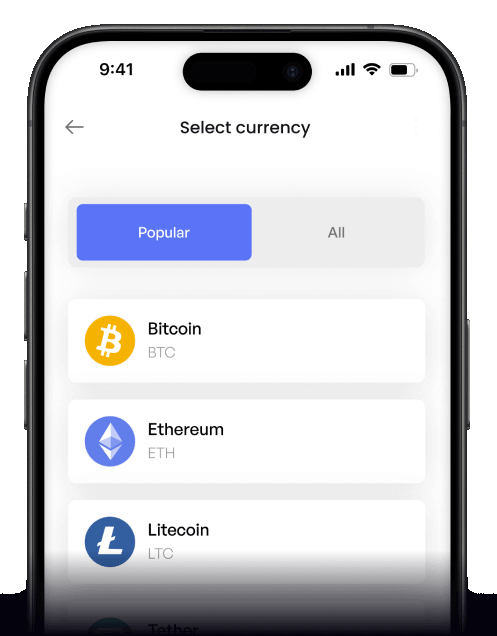
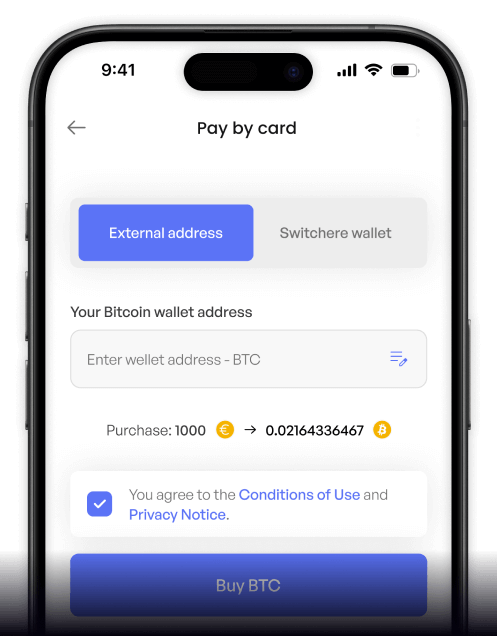
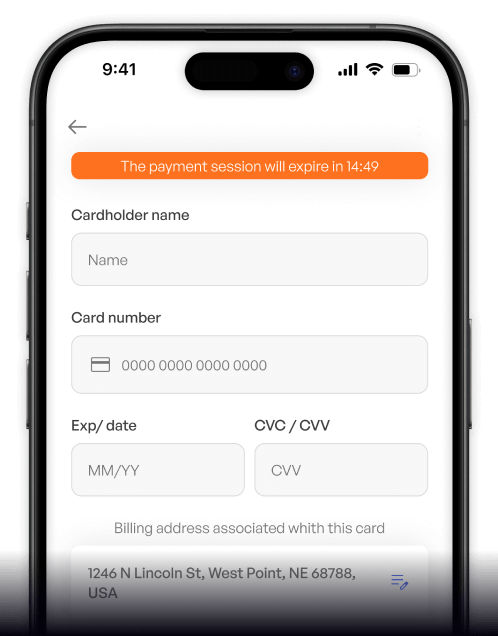
 Покрокове керівництво
 Легкі платежі кредитною карткою
 Спрощений процес купівлі
 Web
Web
Популярні монети за Kenyan Shilling (KES)




Інші монети за Kenyan Shilling (KES)




Поширені запитання
-
Які існують поширені способи купівлі Fetch.ai (FET) за кенійські шилінги (KES)?
Щоб придбати токен FET за KES, користувачі зазвичай використовують платформи peer-to-peer (P2P) на великих криптовалютних біржах, які підтримують транзакції в KES. Ці платформи часто спрощують платежі через місцеві методи, такі як M-Pesa або прямі банківські перекази. Цей процес діє як важливий фіатний шлюз, дозволяючи вам конвертувати ваші кенійські шилінги в цифровий актив, необхідний для взаємодії з блокчейном Fetch.ai на базі штучного інтелекту та його екосистемою автономних економічних агентів (AEAs). -
Яке основне призначення токена FET у мережі Fetch.ai?
Токен FET є нативною цифровою валютою, необхідною для всіх операцій у мережі Fetch.ai. Його основне призначення — дозволяти автономним економічним агентам (AEAs) виконувати завдання та оплачувати послуги в децентралізованій цифровій економіці. Це включає пошук, створення, розгортання та навчання AEA. Крім того, FET використовується для стейкінгу для захисту мережі за допомогою механізму консенсусу Proof-of-Stake та для сплати комісій за транзакції в блокчейні, що робить його невід'ємною частиною агентних систем платформи. -
Чи потрібне дотримання вимог KYC/AML при використанні фіатного шлюзу KES для придбання FET?
Так, практично всі авторитетні криптовалютні біржі та P2P-платформи, які надають фіатний шлюз для купівлі цифрових активів за KES, вимагають від користувачів проходження верифікації «Знай свого клієнта» (KYC) та «Протидія відмиванню грошей» (AML). Це стандартний захід безпеки для забезпечення безпечної торгівлі, запобігання шахрайству та дотримання місцевих і міжнародних норм. Процес зазвичай включає надання державного посвідчення особи, а іноді й підтвердження адреси. -
Після покупки FET за KES, який найбезпечніший спосіб зберігання моїх токенів?
Для оптимальної безпеки настійно рекомендується перевести ваші токени FET з біржі на особистий цифровий гаманець, де ви контролюєте приватні ключі. Для довгострокового зберігання апаратний гаманець (холодне сховище) пропонує найвищий рівень захисту від онлайн-загроз. Для більш частого використання, наприклад, для стейкінгу FET в екосистемі Fetch.ai, можна використовувати надійний програмний гаманець (гарячий гаманець). Ніколи нікому не повідомляйте свої приватні ключі або сід-фразу. -
Які комісії можна очікувати при торгівлі KES на FET?
Торгівля KES на FET зазвичай включає кілька потенційних комісій. По-перше, може стягуватися комісія за депозит від вашого платіжного провайдера, такого як M-Pesa. По-друге, криптовалютна біржа або P2P-платформа стягуватиме торгову комісію, яка може бути фіксованою ставкою або відсотком від обсягу транзакції. Нарешті, коли ви виводите свої FET на особистий гаманець, застосовуватиметься мережева комісія (плата за газ) за транзакцію в блокчейні. Завжди перевіряйте таблицю комісій конкретної платформи, яку ви використовуєте.

Купуйте, де завгодно
Будь-де. Будь-коли.
Купуйте криптовалюту за допомогою кредитної картки з будь-якого місця. Актуальні курси, прозорі комісії та технологія 3D Secure для кожного замовлення — всі переваги сервісу Switchere для купівлі криптовалюти за допомогою картки у вашому мобільному.



Відскануйте, щоб завантажити додаток для iOS та Android

