


- Strona główna
- Konwerter
- Kenyan Shilling (KES) do TUSD (TRC20)

Konwertuj
Kenyan Shilling (KES) na TUSD (TRC20) natychmiast


Kupuj TUSD (TRC20) z Kenyan Shilling (KES) łatwo w Switchere i korzystaj z szybkich, bezpiecznych transakcji.
O
TUSD (TRC20)
TrueUSD (TUSD) to wiodący stablecoin zabezpieczony fiducjarnie, zaprojektowany w celu utrzymania weryfikowalnego powiązania 1:1 z dolarem amerykańskim. Jego głównym celem jest funkcjonowanie jako przejrzyste i niezawodne aktywo cyfrowe, wypełniające lukę między tradycyjnymi walutami fiducjarnymi a ekosystemem zdecentralizowanych finansów. Wariant TUSD (TRC20) to specyficzny standard tokena, który działa natywnie na blockchainie TRON. Wykorzystuje to wysoką przepustowość i niskie opłaty transakcyjne sieci TRON, oferując użytkownikom wysoce wydajny i opłacalny środek do płatności peer-to-peer i działań on-chain. Zapewnia stabilność dolara połączoną z wydajnością nowoczesnej infrastruktury technologii blockchain.
Kluczowym wyróżnikiem TUSD jest jego solidna struktura zaufania i przejrzystości. Stablecoin jest w pełni zabezpieczony rezerwami w dolarach amerykańskich, przechowywanymi w niezależnie audytowanych instytucjach finansowych. Dzięki partnerstwu z firmą księgową dostarcza on-chainowe atestacje swoich rezerw w czasie zbliżonym do rzeczywistego, oferując kryptograficzny dowód zabezpieczenia. Głównym zastosowaniem tokena TUSD w ekosystemie TRON jest służenie jako stabilny środek wymiany, jednostka rozliczeniowa w aplikacjach DeFi oraz zabezpieczenie przed zmiennością rynku. Jako aktywo TRC20, jest integralną częścią pul płynności, protokołów pożyczkowych i innych aplikacji Web3, umacniając swoją rolę jako fundamentalnego aktywa o stabilnej wartości.

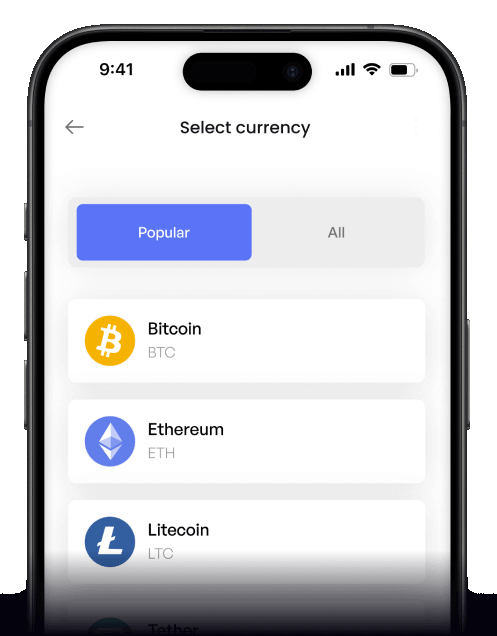
Jak kupić TUSD (TRC20)
 Wskazówki krok po kroku
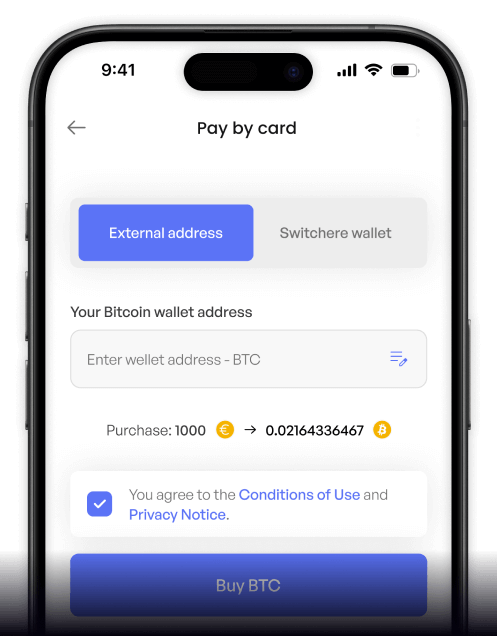
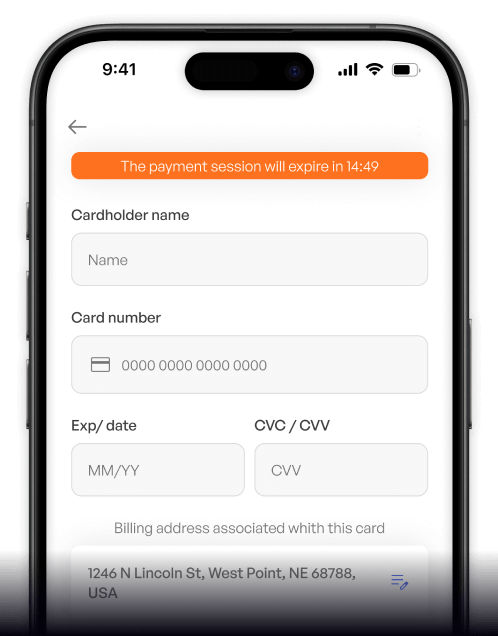
 Łatwe płatności kartą kredytową
 Usprawniony proces zakupu
 Web
Web
Popularne monety za Kenyan Shilling (KES)





Inne monety za Kenyan Shilling (KES)









Często zadawane pytania
-
Czym jest para KES do TUSD (TRC20) i jaka jest jej główna zaleta dla użytkowników w Kenii?
Para KES/TUSD (TRC20) reprezentuje kurs wymiany do konwersji szylingów kenijskich (KES) na TrueUSD (TUSD), stablecoina powiązanego z dolarem amerykańskim, działającego na blockchainie Tron jako token TRC-20. Jego główną zaletą dla użytkowników z Kenii jest zapewnienie bezpośredniego wejścia fiat na stabilny zasób cyfrowy, oferując zabezpieczenie przed zmiennością KES i dostęp do globalnego ekosystemu DeFi z charakterystycznie niskimi opłatami transakcyjnymi i szybkimi czasami rozliczeń sieci Tron. -
Jakie są najczęstsze metody płatności przy zakupie TUSD (TRC20) za KES?
Aby kupić TUSD (TRC20) za szylingi kenijskie, użytkownicy zazwyczaj korzystają z rynków P2P (peer-to-peer) na głównych giełdach kryptowalut. Najpopularniejszą metodą płatności na tych platformach jest M-Pesa, ze względu na jej powszechne użycie i natychmiastowe transfery w Kenii. Inne popularne opcje to bezpośrednie przelewy bankowe z kenijskich banków oraz, na niektórych platformach, inne usługi pieniądza mobilnego. Zawsze upewnij się, że handlujesz na renomowanej platformie, która wymaga zgodności z KYC/AML dla bezpieczeństwa. -
Dlaczego standard TRC-20 na blockchainie Tron jest korzystny dla transakcji TUSD?
Standard TRC-20 na blockchainie Tron jest bardzo korzystny dla transakcji stablecoinem TUSD ze względu na niskie opłaty transakcyjne i wysoką przepustowość. W porównaniu z innymi sieciami, takimi jak Ethereum (ERC-20), sieć Tron zazwyczaj wymaga minimalnych zasobów 'Energii' i 'Przepustowości' do transferów tokenów, co skutkuje znacznie niższymi kosztami transakcji. To sprawia, że jest idealny do częstych płatności, przekazów pieniężnych i interakcji z dApps bez ponoszenia wysokich opłat za gaz, co jest dużą zaletą для użytkowników wrażliwych na koszty. -
Jak mogę bezpiecznie przechowywać tokeny TUSD (TRC20) po ich zakupie?
Aby bezpiecznie przechowywać swoje tokeny TUSD (TRC20), musisz używać portfela cyfrowego, który obsługuje blockchain Tron (standard TRC-20). Dla maksymalnego bezpieczeństwa zalecany jest portfel sprzętowy, taki jak Ledger lub Trezor, ponieważ przechowuje on twoje klucze prywatne w trybie offline. Alternatywnie, renomowane portfele programowe, takie jak TronLink (oficjalny portfel Tron) lub Trust Wallet, są dobrymi opcjami. Niezależnie od wyboru, nigdy nie udostępniaj swojego klucza prywatnego ani frazy seed i przechowuj ją w bezpiecznym miejscu offline. -
Jak TUSD utrzymuje swój peg 1:1 z dolarem amerykańskim, zapewniając stabilność cen?
TUSD to stablecoin zabezpieczony fiducjarnie. Oznacza to, że za każdy token TUSD w obiegu, odpowiadający mu dolar amerykański jest przechowywany na ubezpieczonych kontach bankowych. Emitent, TrustToken, dostarcza regularne, bieżące atesty od niezależnych firm księgowych. Te atesty weryfikują, że rezerwy odpowiadają lub przekraczają podaż TUSD w obiegu, zapewniając przejrzystość i gwarantując, że aktywo kryptograficzne może utrzymać swoją stabilność cenową i powiązanie z dolarem.

Kupuj w dowolnym miejscu
Gdziekolwiek. Kiedykolwiek.
Kupuj kryptowaluty kartą kredytową z dowolnego miejsca. Aktualne kursy, przejrzyste opłaty i protokół 3D Secure przy każdym zamówieniu – pełna funkcjonalność serwisu Switchere do zakupu kryptowalut za pomocą karty w zasięgu ręki.



Zeskanuj, aby pobrać aplikację na iOS i Androida

