


Convert
Kenyan Shilling (KES) to USDT (BEP20) Instantly


Purchase USDT (BEP20) with Kenyan Shilling (KES) easily at Switchere and benefit from fast, secure transactions.
About
USDT (BEP20)
USDT (BEP20) represents a specific issuance of Tether, the prominent USD-pegged stablecoin, operating on the BNB Smart Chain (BSC) and adhering to its BEP20 token standard. The primary objective of this digital asset is to offer a stable medium of exchange and store of value within the cryptocurrency ecosystem, aiming to mirror the value of the US Dollar. By existing on the BNB Smart Chain, USDT (BEP20) benefits from the network's high throughput, low transaction fees, and rapid settlement times, characteristics facilitated by BSC's Proof of Staked Authority (PoSA) consensus mechanism, a key piece of its blockchain technology.
This version of USDT is integral to the BSC DeFi landscape, where its utility token function is paramount. It is widely used for liquidity provision on decentralized exchanges (DEXs), as collateral in lending and borrowing protocols, and for participation in yield farming strategies. The BEP20 standard ensures interoperability with a vast array of smart contracts and decentralized applications (dApps) built on this particular decentralized network. As a key component of the Web3 infrastructure on BSC, USDT (BEP20) facilitates seamless on-chain transactions, supports efficient peer-to-peer payments, and provides a reliable digital ledger entry for value transfer. Its tokenomics are centered on maintaining its peg through reserves, underpinning its role in enhancing cryptographic security and transactional efficiency within the expansive Binance ecosystem and its associated DeFi applications.

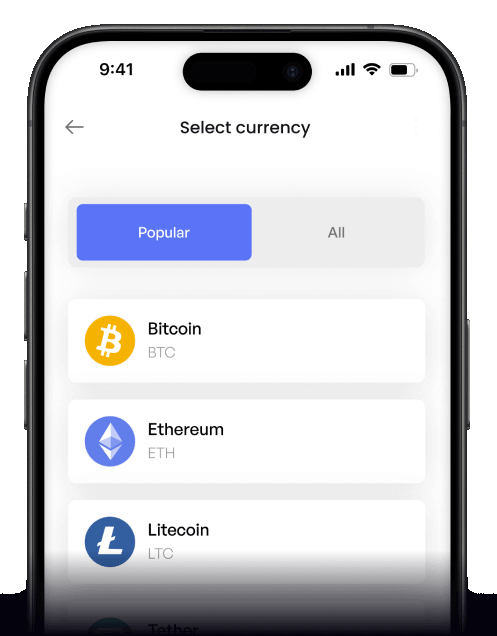
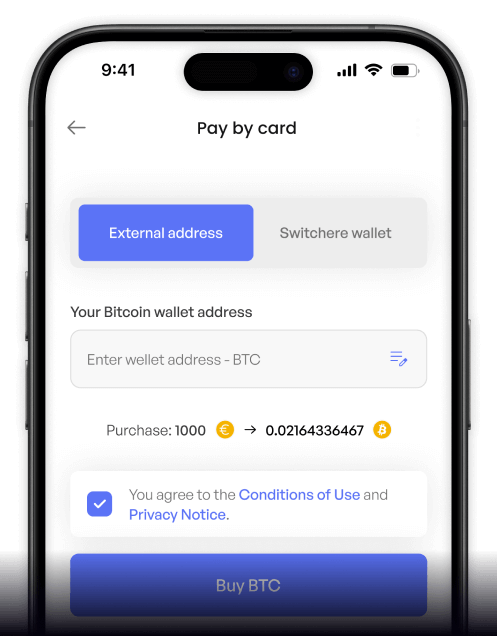
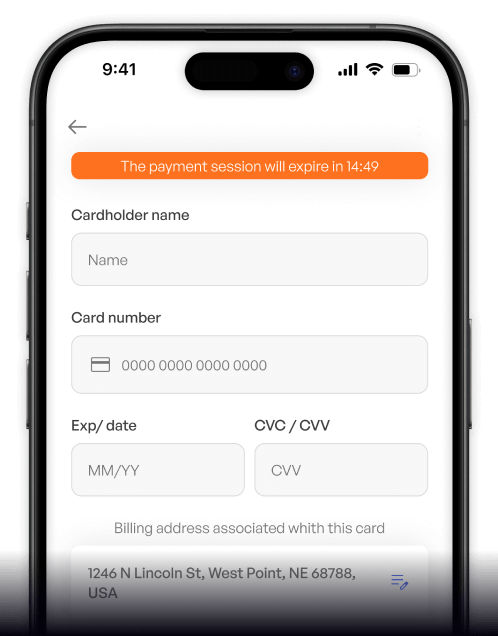
How to Buy USDT (BEP20)
 Step-by-step guidance
 Easy credit card payments
 Streamlined purchase process
 Web
Web
Popular Coins for Kenyan Shilling (KES)





Other Coins for Kenyan Shilling (KES)





Frequently asked questions
-
How can I buy USDT (BEP20) using Kenyan Shillings (KES)?
The most efficient way to convert Kenyan Shillings (KES) to Tether (USDT) on the BNB Smart Chain is through a cryptocurrency exchange that supports Peer-to-Peer (P2P) trading or direct fiat on-ramps. Users can utilize local payment methods like M-Pesa or standard bank transfers to fund their accounts. Ensure the exchange supports the BEP-20 standard to benefit from the BSC network's low transaction fees and fast settlement times. -
What are the advantages of choosing the BEP-20 network for USDT transactions in Kenya?
Utilizing the BEP-20 token standard on the BNB Smart Chain (BSC) offers significant advantages for KES traders, primarily drastically lower gas fees compared to ERC-20 (Ethereum). This makes micro-transactions and regular digital asset purchases using mobile money highly cost-effective. Furthermore, the BSC network provides high liquidity and rapid block confirmation, ideal for fast P2P settlements. -
Can I use M-Pesa to purchase Tether (USDT) on the BNB Smart Chain?
Yes, M-Pesa is one of the most widely used local payment methods for acquiring USDT (BEP20) via P2P exchanges in Kenya. During a P2P transaction, you send KES directly from your mobile money account to the seller's M-Pesa. Once the fiat transfer is confirmed, the escrow system releases the fiat-pegged stablecoin directly into your non-custodial digital wallet or exchange account. -
Are there KYC/AML requirements when exchanging KES for USDT (BEP20)?
Reputable cryptocurrency exchanges and fiat gateways require Know Your Customer (KYC) and Anti-Money Laundering (AML) compliance before allowing users to trade the KES/USDT pair. This typically involves verifying your identity using a government-issued ID. Compliance ensures secure trading environments and protects participants against fraud during M-Pesa or bank transfer transactions. -
Where should I store my BEP20 USDT after purchasing it with KES?
After executing your digital asset purchase, you should transfer your USDT to a secure digital wallet that supports the BNB Smart Chain. Non-custodial wallets like Trust Wallet or MetaMask (configured for the BSC network) allow you to interact directly with decentralized applications (dApps) in the Binance ecosystem while maintaining full control over your private keys and smart contract interactions.

Buy on the go
Anywhere. Anytime.
Buy crypto with your credit card from anywhere. Live rates, transparent fees, and 3D Secure on every order - the full Switchere card-buy experience in your pocket.



Scan to download the app iOS and Android

