Convert
KES to FLUX Instantly
Kenyan Shilling to Flux (ERC20) at the real-time exchange rate


Purchase FLUX (ERC20) with Kenyan Shilling (KES) easily at Switchere and benefit from fast, secure transactions.
About
FLUX (ERC20)
Exchanging the Kenyan Shilling for a decentralized Web3 cloud infrastructure token requires a reliable KES to FLUX converter. The FLUX to KES rate fluctuates constantly, influenced by local East African market liquidity, the global volatility of the cryptocurrency, and the relative strength of the fiat exchange rate. FLUX serves as the foundational utility asset for its decentralized computational network, meaning demand for Web3 hosting directly impacts its valuation against fiat currencies like KES.
When looking to buy FLUX with KES, users typically utilize regional fiat on-ramp gateways. In Kenya, mobile money solutions like M-Pesa are highly popular for funding accounts, alongside standard bank transfers and credit card payments. These regulated gateways require standard KYC/AML verification before processing fiat transactions. Once purchased, users must provide a compatible wallet address, such as Zelcore, to receive their assets. Transferring FLUX involves blockchain network fees and short confirmation times depending on network congestion. This trading pair is primarily utilized by Kenyan developers and investors seeking direct access to decentralized cloud computing resources without navigating through intermediary fiat currencies.

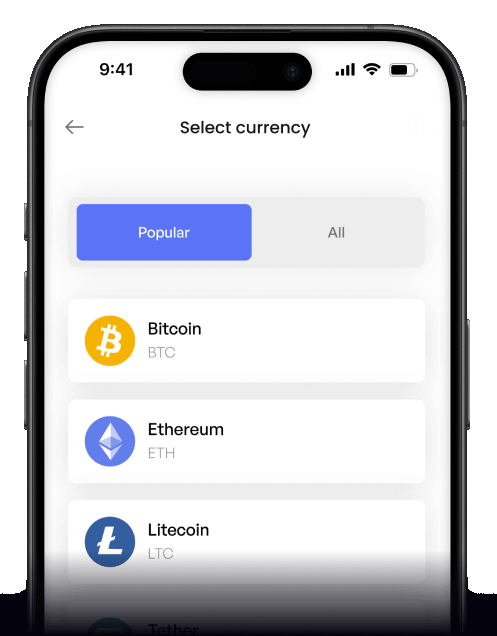
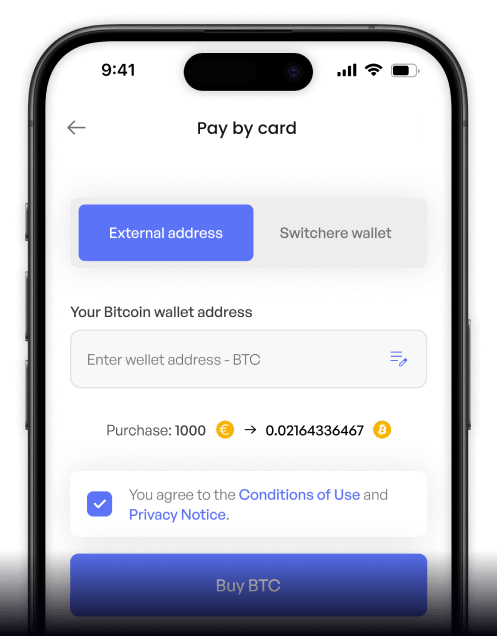
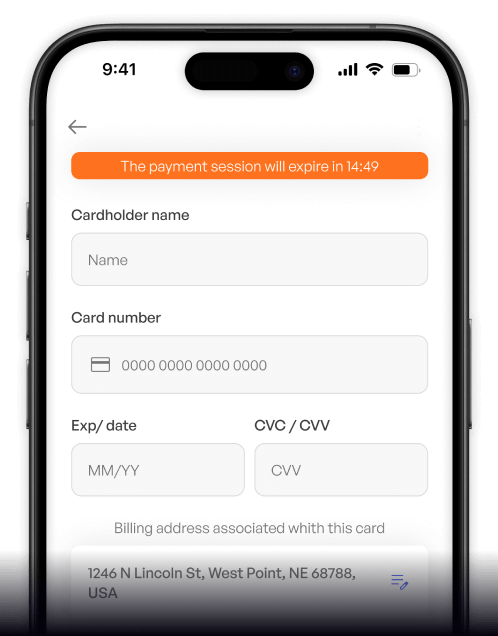
How to Buy FLUX (ERC20)
 Step-by-step guidance
 Easy credit card payments
 Streamlined purchase process
 Web
Popular Coins for Kenyan Shilling (KES)


Other Coins for Kenyan Shilling (KES)


Frequently asked questions
-
How can I buy Flux (FLUX) using Kenyan Shillings (KES)?
The most common method to purchase FLUX with KES is through a cryptocurrency exchange that supports a fiat on-ramp for the Kenyan market. Users typically leverage Peer-to-Peer (P2P) trading platforms where KES can be transferred via local mobile money services like M-Pesa or standard local bank transfers. Once a stablecoin like USDT is acquired, it can be traded for FLUX on an exchange's order book with high trading volume to ensure optimal liquidity. -
What is the primary utility of the Flux network and its native FLUX token?
Flux operates as a decentralized Web3 infrastructure, effectively acting as a decentralized computing network. The FLUX token is essential for purchasing resources on FluxOS, incentivizing miners through its Proof-of-Work (PoW) consensus, and collateralizing FluxNodes. By utilizing this blockchain architecture, developers can host decentralized applications with high availability and redundancy. -
Are there specific KYC requirements when converting KES to FLUX?
Yes, reputable digital asset platforms enforcing KYC/AML compliance require users to verify their identity before utilizing a KES fiat gateway. This process typically involves submitting a government-issued ID and proof of address. Compliance ensures secure trading and mitigates risks associated with blockchain transactions and fiat off-ramps in the East African digital asset market. -
Can I store FLUX purchased with KES directly on an exchange?
While you can temporarily hold FLUX on a cryptocurrency exchange after your fiat-to-crypto transaction, transferring it to a non-custodial digital wallet is the best practice for secure digital asset storage. The Zelcore wallet is specifically optimized for the Flux ecosystem, allowing users to manage FLUX and its parallel assets securely across multiple blockchains without relying on centralized custody. -
What payment methods are most efficient for a KES/FLUX transaction?
For Kenyan users, mobile money solutions, specifically M-Pesa, offer the fastest processing times for funding a digital wallet or P2P escrow account. Local bank transfers (EFT or RTGS) are also viable for larger KES deposits but may involve longer settlement periods before the fiat is available to execute a trade for FLUX or a bridge stablecoin on the open market.

Buy on the go
Anywhere. Anytime.
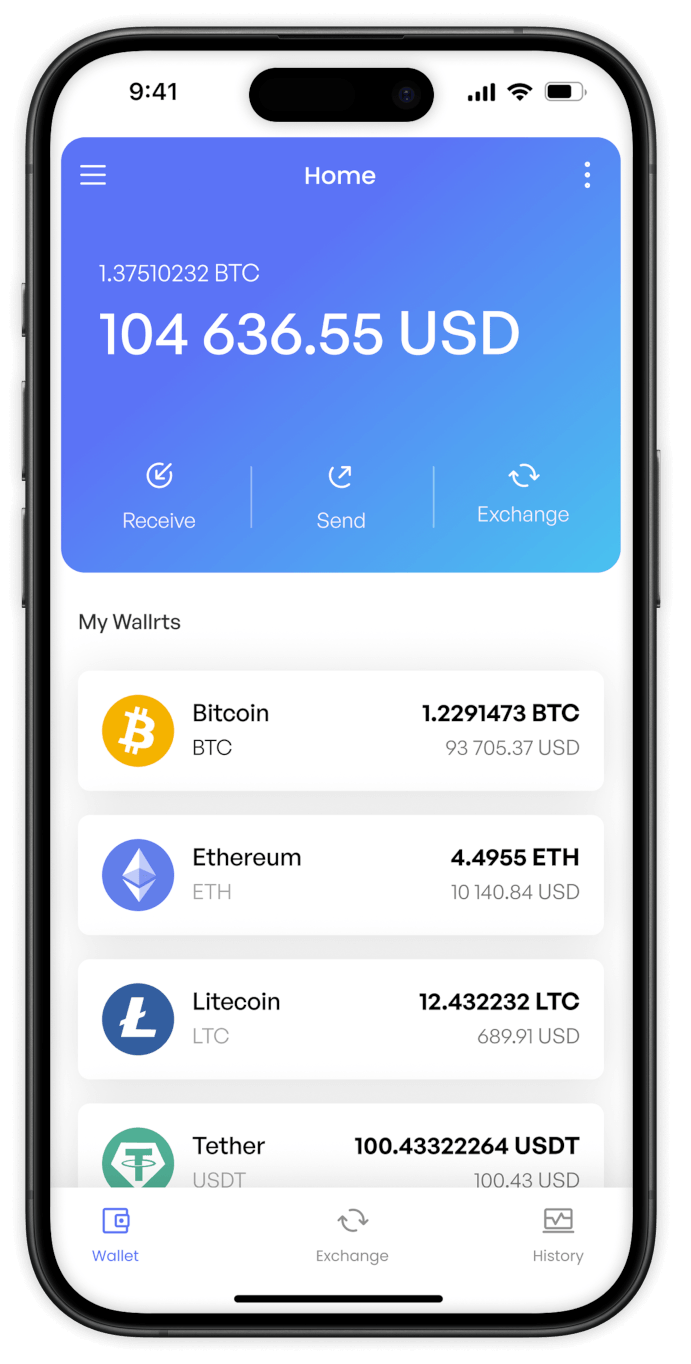
Buy crypto with your credit card from anywhere. Live rates, transparent fees, and 3D Secure on every order - the full Switchere card-buy experience in your pocket.



Scan to download the app iOS and Android