


- Startpagina
- Omvormer
- Kenyan Shilling (KES) naar ApeCoin (APE)

Converteer
Kenyan Shilling (KES) naar ApeCoin (APE) direct


Koop ApeCoin (APE) met Kenyan Shilling (KES) gemakkelijk bij Switchere en profiteer van snelle, veilige transacties.
Over
ApeCoin (APE)
ApeCoin (APE) is een ERC-20 governance en utility token ontworpen om het gedecentraliseerde APE ecosysteem te versterken, bekend van Yuga Labs, makers van de Bored Ape Yacht Club (BAYC) en Mutant Ape Yacht Club (MAYC) NFT collecties. Het primaire doel is om te dienen als de eigen valuta en bestuursmechanisme voor initiatieven vanuit de gemeenschap, om de groei van een levendige Web3 cultuur, gaming en entertainment landschap te bevorderen. Het token werkt op de Ethereum blockchain en profiteert van de gevestigde beveiliging en smart contract mogelijkheden, hoewel het ecosysteem steeds meer laag-2 oplossingen onderzoekt voor schaalbaarheid.
Het belangrijkste nut van APE draait om deelname aan de ApeCoin DAO (Decentralized Autonomous Organization), waar tokenhouders kunnen stemmen over bestuursvoorstellen, toewijzingen van ecosysteemfondsen en strategische partnerschappen. Dit on-chain bestuursmodel stelt de gemeenschap in staat om vorm te geven aan de toekomstige ontwikkeling en richting van projecten die gebruik maken van APE. Naast het bestuur functioneert APE als een utility token dat toegang geeft tot exclusieve games, merchandise, evenementen en diensten binnen het groeiende APE ecosysteem, inclusief het Otherside metaverse project. Staking APE is ook een functie, waardoor houders beloningen kunnen verdienen en verder kunnen deelnemen aan netwerkbeveiliging of specifieke ecosysteempools.
ApeCoin wil een fundamenteel digitaal activum zijn voor een nieuwe generatie van gedecentraliseerde gemeenschapsvorming en IP-ontwikkeling binnen de Web3-infrastructuur. De tokenomics zijn gestructureerd om groei op lange termijn te ondersteunen, met toewijzingen voor het ecosysteemfonds, contribuanten en de DAO-schatkist. Als een belangrijke speler op het snijvlak van NFT's, metaverse ontwikkeling en community-gedreven projecten, vertegenwoordigt ApeCoin een belangrijk experiment in gedecentraliseerde merkopbouw en culturele tokenization binnen de bredere blockchain technologie ruimte, en positioneert zichzelf als een centrale valuta voor het BAYC-geaffilieerde digitale activa landschap.

Hoe ApeCoin (APE) kopen
 Stapsgewijze begeleiding
 Eenvoudige creditcardbetalingen
 Gestroomlijnd aankoopproces
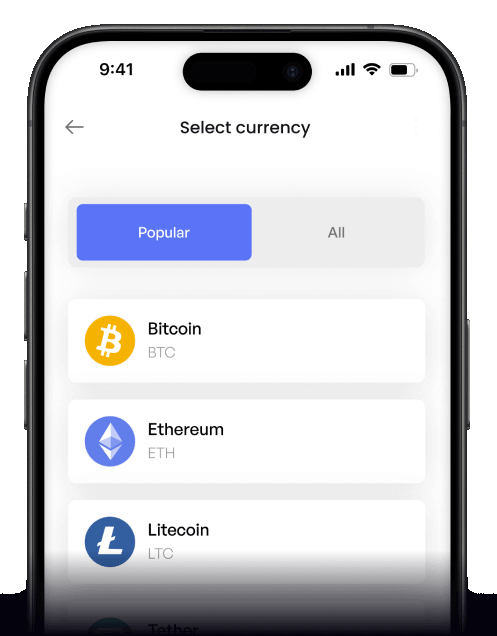
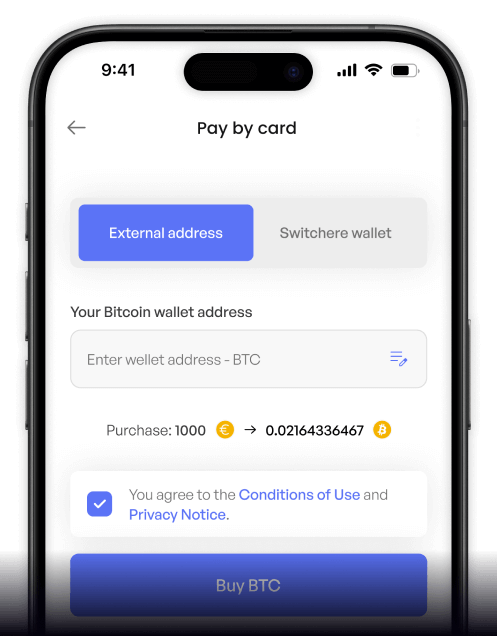
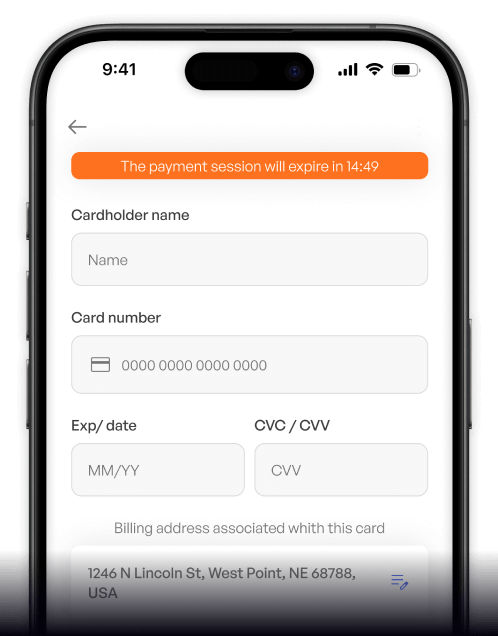
 Web
Web
Populaire munten voor Kenyan Shilling (KES)





Andere munten voor Kenyan Shilling (KES)





Veelgestelde vragen
-
Wat zijn de gebruikelijke methoden om ApeCoin (APE) te kopen met Keniaanse shilling (KES)?
Om ApeCoin (APE) met Keniaanse shillings te verwerven, gebruiken handelaren vaak peer-to-peer (P2P)-platforms op grote cryptocurrency-exchanges. Deze platforms faciliteren directe transacties waarbij u lokale betaalmethoden zoals M-Pesa of een Keniaanse bankoverschrijving kunt gebruiken. Sommige exchanges bieden mogelijk ook een directe KES fiat on-ramp aan, waarmee u KES kunt storten en vervolgens kunt verhandelen voor APE op hun orderboek. -
Wat is de functie van ApeCoin (APE) binnen het Yuga Labs-ecosysteem?
ApeCoin (APE) is een ERC-20 token dat functioneert als de primaire governance- en utility-token voor het APE-ecosysteem. Het stelt houders in staat om deel te nemen aan de ApeCoin DAO (Decentralized Autonomous Organization), waardoor ze stemrecht krijgen over de toewijzing van ecosysteemfondsen en governance-regels. APE is ook de belangrijkste valuta voor projecten zoals de Otherside metaverse, een wereldopbouwend project van Yuga Labs, de makers van Bored Ape Yacht Club (BAYC). -
Zijn KYC/AML-procedures vereist bij het omwisselen van KES naar APE?
Ja, als u een gecentraliseerde cryptocurrency-exchange gebruikt voor uw aankoop van digitale activa van KES naar APE, zult u vrijwel zeker een Know Your Customer (KYC) en Anti-Money Laundering (AML) verificatie moeten voltooien. Dit omvat het indienen van identificatiedocumenten. Hoewel sommige P2P-platforms mogelijk lagere initiële limieten hebben, is volledige verificatie standaard voor veilige handel en grotere volumes om naleving van de regelgeving te garanderen. -
Hoe bewaar ik mijn ApeCoin (APE) veilig na aankoop?
Na een succesvolle blockchain-transactie wordt het ten zeerste aanbevolen om uw APE van de exchange naar een persoonlijke digitale wallet te verplaatsen. Aangezien APE een ERC-20-token is, werkt elke Ethereum-compatibele wallet, zoals MetaMask, Trust Wallet, of een hardware wallet zoals Ledger of Trezor. Een hardware wallet biedt het hoogste beveiligingsniveau omdat het uw privésleutels offline houdt en uw activa beschermt tegen online bedreigingen. -
Wat voor soort kosten zijn er verbonden aan een KES naar APE transactie?
Een KES naar APE conversie brengt doorgaans verschillende potentiële kosten met zich mee. Ten eerste kan er een stortingskost zijn voor het toevoegen van KES aan de exchange, vooral bij gebruik van betaalmethoden zoals M-Pesa. Ten tweede zal de exchange een handelskost in rekening brengen, ofwel een vast percentage of gebaseerd op een maker-taker model. Ten slotte, wanneer u uw APE opneemt naar een persoonlijke wallet, betaalt u een netwerkkost, bekend als een gas fee op de Ethereum blockchain, die kan variëren op basis van netwerkcongestie.

Onderweg kopen
Overal. Altijd.
Koop overal crypto met je creditcard. Actuele koersen, transparante kosten en 3D Secure bij elke bestelling – de volledige Switchere-ervaring voor het kopen met een creditcard, altijd bij de hand.



Scan de QR-code om de app te downloaden voor iOS en Android

