


Конвертуйте
Kenyan Shilling (KES) на Aave (AAVE) миттєво


Купуйте Aave (AAVE) за допомогою Kenyan Shilling (KES) легко на Switchere і отримуйте вигоду від швидких і безпечних транзакцій.
Близько
Aave (AAVE)
Aave (AAVE) - провідний протокол децентралізованих фінансів (DeFi), що функціонує як ринок ліквідності з відкритим вихідним кодом і некастодіальним управлінням. Його основна мета - надати користувачам можливість позичати і брати в борг різноманітні цифрові активи без посередників. Платформа використовує складні смарт-контракти на технології блокчейн, в першу чергу на Ethereum, але розширила сферу свого впливу на кілька ланцюжків, покращивши свої додатки DeFi. Користувачі, які надають активи в пули ліквідності Aave, отримують пасивний дохід у вигляді відсотків, а натомість отримують відсоткові токени aTokens, які представляють їхній вкладений капітал і нараховані відсотки. Позичальники, з іншого боку, можуть брати надмірно забезпечені кредити або інноваційні недостатньо забезпечені "флеш-кредити", що є унікальною можливістю для розробників.
Основна технологія Aave базується на надійній архітектурі смарт-контрактів, що забезпечує безпечні та прозорі транзакції в ланцюжку. Серед ключових особливостей - підтримка змінних і стабільних відсоткових ставок, що забезпечує гнучкість для користувачів в залежності від ринкових умов і схильності до ризику. Нативний токен AAVE виконує важливі функції в цій децентралізованій мережі. Він діє як токен управління, надаючи можливість власникам голосувати за оновлення протоколу і зміни параметрів, формуючи майбутнє екосистеми Aave. Крім того, AAVE можна використовувати в модулі безпеки протоколу, сприяючи його криптографічній безпеці і забезпечуючи страховий бекстоп, при цьому стейкхолдери отримують винагороду. Aave є наріжним каменем інфраструктури Web3, надаючи основні послуги грошового ринку.

Як купити Aave (AAVE)?
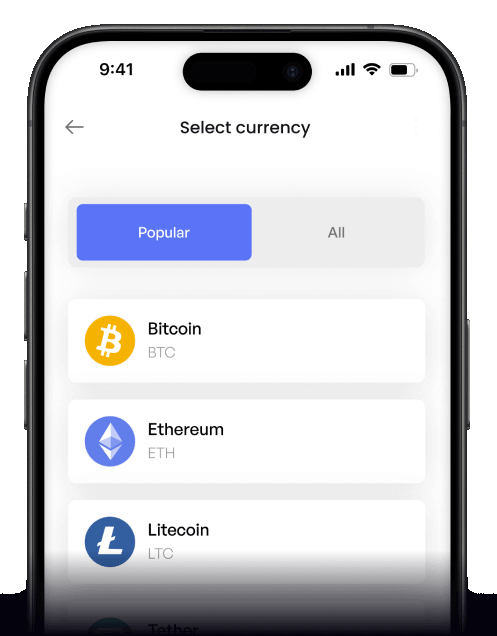
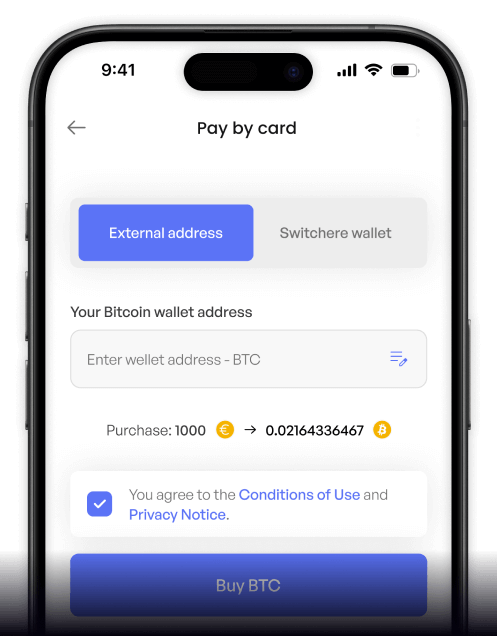
 Покрокове керівництво
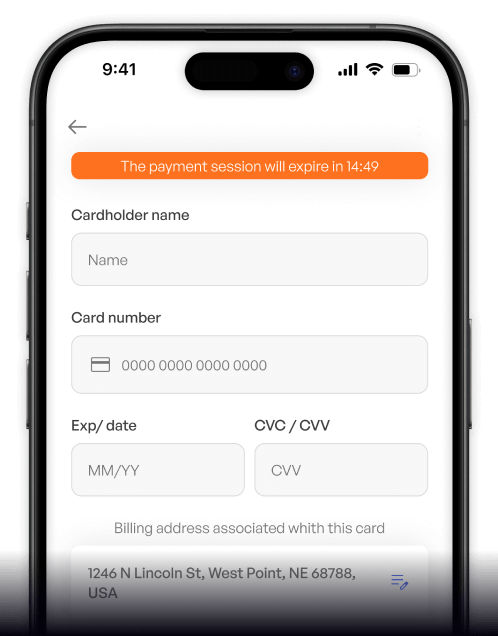
 Легкі платежі кредитною карткою
 Спрощений процес купівлі
 Web
Web
Популярні монети за Kenyan Shilling (KES)





Інші монети за Kenyan Shilling (KES)





Поширені запитання
-
Який найпоширеніший спосіб купити Aave (AAVE) за кенійські шилінги (KES)?
Найпоширенішим методом купівлі цифрових активів AAVE за KES є використання peer-to-peer (P2P) платформ, інтегрованих у великі криптовалютні біржі. Ці платформи діють як фіатний шлюз, дозволяючи користувачам безпосередньо торгувати з продавцями, які приймають KES, часто через місцеві платіжні методи, як-от M-Pesa. Після завершення P2P-транзакції AAVE, токен ERC-20, можна використовувати в екосистемі Aave DeFi або перевести на безпечний цифровий гаманець. -
Що таке Aave, і в чому перевага доступу до нього за допомогою KES?
Aave — це провідний протокол кредитування в секторі децентралізованих фінансів (DeFi), побудований на EVM-сумісних блокчейнах. Він дозволяє користувачам позичати, брати в борг та заробляти відсотки на цифрових активах. Основна перевага використання KES для придбання AAVE полягає в тому, що це забезпечує прямий доступ для кенійців до цього глобального протоколу ліквідності. Це дозволяє брати участь в управлінні Aave або стейкати AAVE в Модулі безпеки без необхідності спочатку конвертувати KES в іншу основну валюту, таку як USD, що спрощує доступ до прибутків DeFi. -
Які кроки безпеки слід вжити після блокчейн-транзакції з KES в AAVE?
Після покупки AAVE за KES, особливо на P2P-біржі, головним пріоритетом безпеки є переміщення ваших токенів з біржі на особистий цифровий гаманець, де ви контролюєте приватні ключі. Оскільки AAVE є токеном ERC-20, потрібен сумісний гаманець Ethereum (наприклад, MetaMask або апаратний гаманець). Ця практика самостійного зберігання зменшує ризики, пов'язані зі зламами або заморожуванням бірж, і дає вам прямий контроль для взаємодії з протоколом Aave для таких дій, як стейкінг або голосування в системі управління. -
Чи можу я використовувати розширені функції DeFi від Aave, такі як миттєві позики, одразу після покупки AAVE за KES?
Хоча володіння токеном AAVE надає вам доступ до екосистеми, його основна корисність полягає в управлінні та стейкінгу в Модулі безпеки протоколу. Розширені функції, такі як миттєві позики або звичайні позики, вимагають від вас надання інших цифрових активів (наприклад, ETH або стейблкоїнів) як застави в протоколі Aave. Таким чином, проста покупка AAVE за KES — це лише перший крок; для використання більшості функцій кредитування/запозичення вам потрібно буде придбати та внести інші підтримувані заставні активи в протокол ліквідності. -
Які види комісій пов'язані з транзакцією KES в AAVE?
Типова транзакція з KES в AAVE включає кілька потенційних комісій. По-перше, P2P-платформа або криптовалютна біржа може стягувати торгову комісію. По-друге, ваш платіжний провайдер для переказу KES, наприклад M-Pesa або банк, може мати власну комісію за транзакцію. Нарешті, і найважливіше для DeFi, існує комісія за транзакцію в блокчейні (плата за газ), необхідна для переміщення токенів AAVE з біржі на ваш особистий цифровий гаманець у мережі Ethereum або сумісному рішенні Layer-2.

Купуйте, де завгодно
Будь-де. Будь-коли.
Купуйте криптовалюту за допомогою кредитної картки з будь-якого місця. Актуальні курси, прозорі комісії та технологія 3D Secure для кожного замовлення — всі переваги сервісу Switchere для купівлі криптовалюти за допомогою картки у вашому мобільному.



Відскануйте, щоб завантажити додаток для iOS та Android

