


Convert
Kenyan Shilling (KES) to Maker (MKR) Instantly


Purchase Maker (MKR) with Kenyan Shilling (KES) easily at Switchere and benefit from fast, secure transactions.
About
Maker (MKR)
Maker (MKR) is the governance token of MakerDAO, a pioneering Decentralized Autonomous Organization (DAO) built on the Ethereum blockchain. Its primary purpose is to maintain the stability of DAI, a decentralized, collateral-backed stablecoin pegged to the US dollar. MakerDAO achieves this by enabling users to generate DAI by locking up approved collateral assets in smart contracts known as Vaults (formerly Collateralized Debt Positions or CDPs). This system provides a crucial piece of Web3 infrastructure, offering a permissionless and transparent alternative to centralized stablecoins and traditional lending.
The MKR token plays a vital role in the governance and risk management of the Maker Protocol. Holders of this governance token can vote on critical parameters such as collateral types, stability fees, debt ceilings, and system upgrades through on-chain governance polling and executive votes. This decentralized network approach ensures the resilience and adaptability of the DAI stablecoin. Furthermore, MKR serves as a recapitalization resource; in the event of insufficient collateralization within the system, MKR may be minted and sold to cover outstanding debt, aligning holder incentives with the health of the entire DeFi application.
As a foundational DeFi protocol, MakerDAO's tokenomics, underpinned by MKR, are designed for long-term stability and growth. The platform's robust smart contract architecture and reliance on cryptographic security have established DAI as a widely adopted digital asset within numerous DeFi applications, solidifying Maker's position as a cornerstone of decentralized finance and a key component of the evolving digital ledger ecosystem. The utility of MKR as a governance token is central to its value and influence within the broader blockchain technology landscape.

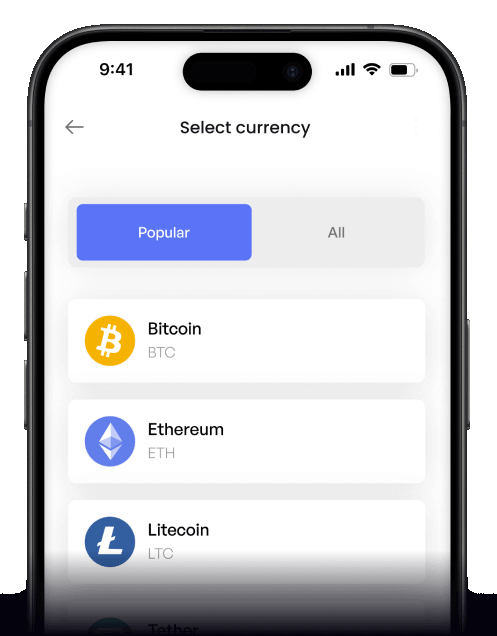
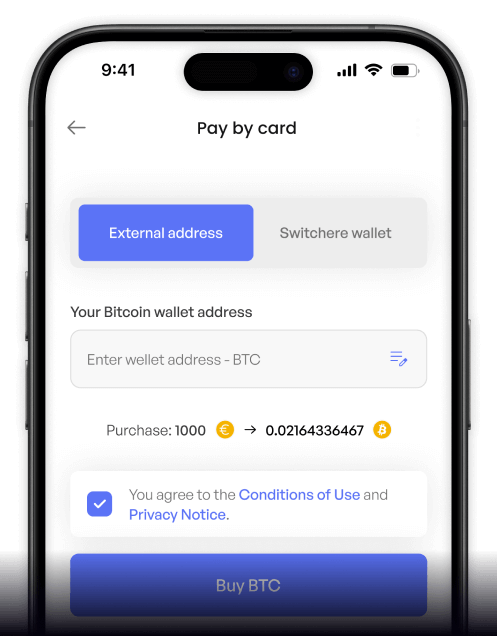
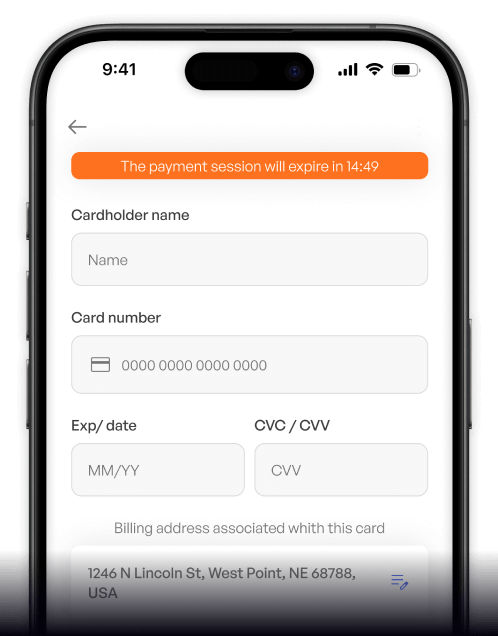
How to Buy Maker (MKR)
 Step-by-step guidance
 Easy credit card payments
 Streamlined purchase process
 Web
Web
Popular Coins for Kenyan Shilling (KES)





Other Coins for Kenyan Shilling (KES)










Frequently asked questions
-
What is the primary method for buying Maker (MKR) with Kenyan Shillings (KES), and what role does MKR play in the MakerDAO ecosystem?
The most common method for a KES to MKR transaction is through a peer-to-peer (P2P) platform, where you can use local payment methods like M-Pesa to buy a base cryptocurrency (e.g., USDT or BTC), and then trade it for MKR on a cryptocurrency exchange. MKR is the governance token of the Maker Protocol, a decentralized finance project. Holders can vote on key parameters like stability fees and collateral types for the DAI stablecoin, effectively governing the system. -
What are the typical fees and liquidity considerations when trading Kenyan Shillings for the MKR governance token?
Direct KES/MKR pairs have low liquidity. Therefore, you'll likely incur two sets of fees: a fiat on-ramp fee (often on a P2P platform) and a trading fee on the exchange for the subsequent crypto-to-MKR trade. Be mindful of potential slippage due to the order book depth on the final trading pair. Using popular payment rails like M-Pesa might also have its own transaction costs, which should be factored into your overall digital asset purchase cost. -
How can I securely store my MKR tokens after a KES purchase and participate in MakerDAO governance?
After purchasing MKR, it is critical to move your digital assets from the exchange to a personal digital wallet for which you control the private keys. For maximum security, a hardware wallet (cold storage) is recommended. To participate in decentralized governance, you must connect this wallet to the official MakerDAO voting portal. This allows you to vote on governance proposals and help shape the future of the Maker Protocol without compromising your keys. -
What is the relationship between MKR, Dai, and Maker Vaults (formerly CDPs)?
Users create the decentralized stablecoin, Dai, by locking up approved collateral assets (like ETH) in a smart contract called a Maker Vault. MKR is not used as collateral; instead, it's the governance token used to pay the 'Stability Fee' (interest) on the generated Dai. Furthermore, MKR acts as the system's backstop: if the collateral's value drops too quickly, MKR is minted and sold to recapitalize the system, ensuring Dai remains solvent. -
Are there any specific regulatory considerations for crypto traders in Kenya using KES fiat on-ramps?
While Kenya does not have a comprehensive crypto legal framework, the Central Bank of Kenya (CBK) has previously issued warnings. Most KES on-ramps operate in a grey area, often through P2P markets. Users should be diligent, use reputable platforms that enforce KYC/AML compliance, and be aware that regulatory stances can change. Always ensure you are compliant with current local tax laws regarding digital asset gains.

Buy on the go
Anywhere. Anytime.
Buy crypto with your credit card from anywhere. Live rates, transparent fees, and 3D Secure on every order - the full Switchere card-buy experience in your pocket.



Scan to download the app iOS and Android

