


Конвертуйте
Kenyan Shilling (KES) на Internet Computer (ICP) миттєво


Купуйте Internet Computer (ICP) за допомогою Kenyan Shilling (KES) легко на Switchere і отримуйте вигоду від швидких і безпечних транзакцій.
Близько
Internet Computer (ICP)
Internet Computer (ICP) — це децентралізована мережа, розроблена для функціонування як «Світовий комп'ютер», що надає повну інфраструктуру Web3 для хостингу програмного забезпечення, послуг та даних безпосередньо на блокчейні. Розроблений фондом DFINITY, він фундаментально спрямований на розширення можливостей публічного Інтернету, дозволяючи розробникам створювати та розгортати додатки без залежності від централізованих хмарних провайдерів. Ядром його архітектури є технологія Chain Key, криптографічний прорив, який дозволяє мережі працювати на веб-швидкості з необмеженою ємністю. Ця технологія дозволяє його унікальним смарт-контрактам, відомим як «каністри», надавати інтерактивний веб-вміст безпосередньо кінцевим користувачам, забезпечуючи безперебійний та повністю ончейн-досвід.
Мережа використовує «зворотну газову модель», де розробники попередньо завантажують каністри «циклами» — обчислювальним паливом, конвертованим з утилітарних токенів ICP, — для покриття витрат на взаємодію з користувачем. Управління здійснюється через Network Nervous System (NNS), ончейн-токенізовану систему, де власники ICP стейкають токени в «нейронах», щоб голосувати за пропозиції та отримувати винагороди. Це позиціонує ICP як фундаментальний рівень для створення масштабованих DeFi-додатків, децентралізованих соціальних мереж та корпоративних систем повністю на блокчейні. Таким чином, цифровий актив ICP є невід'ємною частиною для участі в мережі, винагороди постачальників вузлових машин та живлення обчислювальної потужності його екосистеми.

Як купити Internet Computer (ICP)?
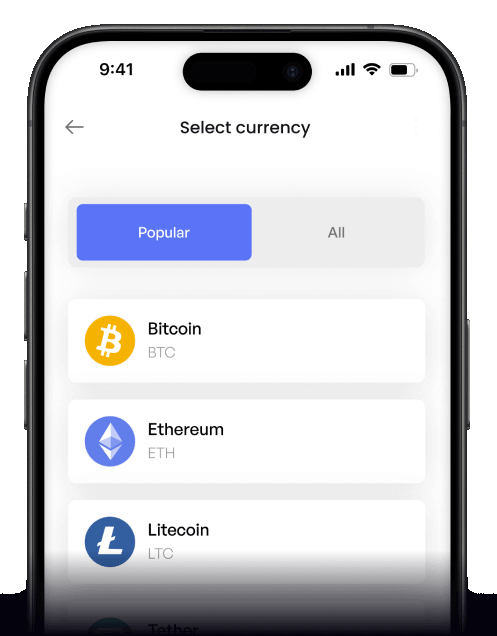
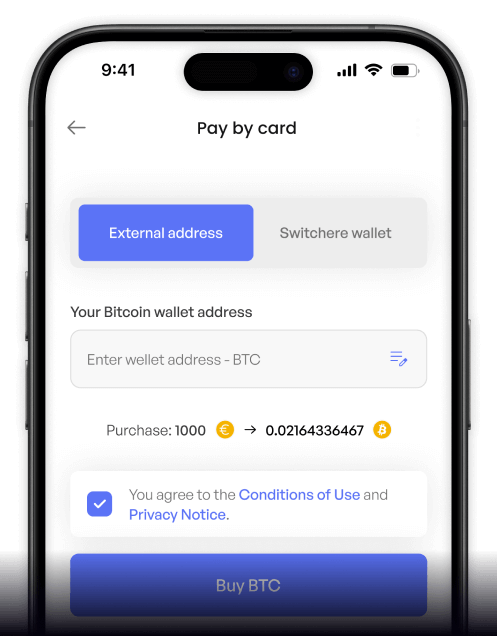
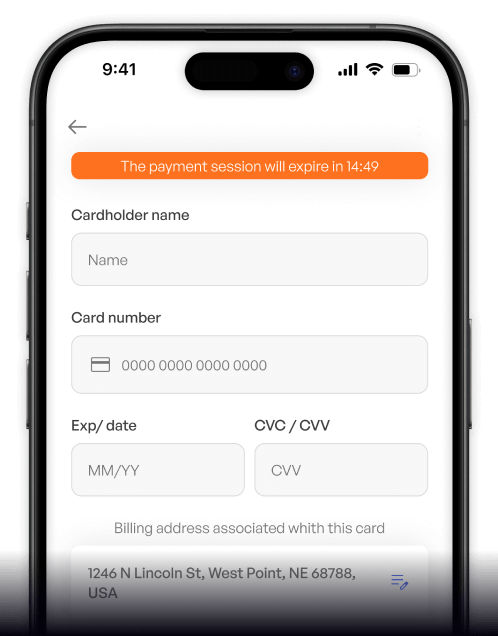
 Покрокове керівництво
 Легкі платежі кредитною карткою
 Спрощений процес купівлі
 Web
Web
Популярні монети за Kenyan Shilling (KES)





Інші монети за Kenyan Shilling (KES)










Поширені запитання
-
Який найкращий спосіб купити токени Internet Computer (ICP) за кенійські шилінги (KES)?
Найпоширеніший спосіб купити ICP за KES — через криптовалютну біржу, яка слугує фіатним шлюзом для кенійського ринку. Зазвичай вам потрібно пройти процес верифікації KYC/AML, а потім внести KES за допомогою звичних місцевих платіжних методів, таких як M-Pesa або прямий банківський переказ. Після поповнення вашого рахунку ви можете виконати угоду в книзі ордерів KES/ICP, щоб завершити покупку цифрового активу. -
Що робить пару KES/ICP значущою для розробників та користувачів у Кенії?
Пара KES/ICP є значущою, оскільки вона надає кенійцям прямий шлюз до екосистеми «Світового комп'ютера» Internet Computer. Це дозволяє розробникам фінансувати хостинг dApp у мережі, використовуючи місцеву валюту, та користуватися унікальними функціями ICP, такими як модель зворотного газу. Для користувачів це означає легшу участь в ончейн-управлінні через Network Nervous System (NNS) без необхідності спочатку конвертувати кошти в інші основні фіатні валюти. -
Коли я купую ICP, яка його роль у смарт-контрактах-каністрах Internet Computer?
Купуючи ICP, ви отримуєте основний службовий токен мережі Internet Computer. Цей ICP можна перетворити на «цикли», які слугують паливом для обчислень та зберігання даних у смарт-контрактах-каністрах. Ці каністри, що працюють на WebAssembly (WASM), є передовими смарт-контрактами, які можуть живити повністю децентралізовані додатки та сервіси безпосередньо на блокчейні, і ваш ICP є важливим для забезпечення їхньої роботи. -
Які варіанти оплати в KES зазвичай доступні на фіатному шлюзі для ICP?
Для транзакцій з KES в ICP найпоширеніші варіанти оплати використовують надійну інфраструктуру мобільних грошей Кенії. M-Pesa є найпоширенішим методом на місцевих та міжнародних біржах, що обслуговують Кенію. Інші поширені варіанти включають прямі кенійські банківські перекази (EFT) та, на деяких платформах, платежі дебетовими або кредитними картками. Високе поширення мобільних грошей робить їх швидким та ефективним фіатним шлюзом. -
Після завершення транзакції KES/ICP, який є найбезпечнішим способом управління моїми токенами ICP?
Після покупки ICP за KES найбезпечнішою практикою є переміщення ваших цифрових активів з біржі на гаманець, де ви контролюєте приватні ключі. Для довгострокового зберігання та участі в управлінні настійно рекомендується використовувати офіційний dApp Network Nervous System (NNS). Для максимальної безпеки розгляньте апаратний гаманець, сумісний з мережею Internet Computer, який використовує її передову криптографію на основі ланцюгових ключів для безпечних транзакцій.

Купуйте, де завгодно
Будь-де. Будь-коли.
Купуйте криптовалюту за допомогою кредитної картки з будь-якого місця. Актуальні курси, прозорі комісії та технологія 3D Secure для кожного замовлення — всі переваги сервісу Switchere для купівлі криптовалюти за допомогою картки у вашому мобільному.



Відскануйте, щоб завантажити додаток для iOS та Android

